Toronto, I used one drop twice daily for several weeks as prescribed for glaucoma and noticed that my follow-up pressure readings were better. The bottle was easy to carry, and having both medicines in one drop made my morning routine simpler.
Raised intraocular pressure can damage the optic nerve gradually, often without early symptoms. Combigan is an ophthalmic solution used in adults with glaucoma or ocular hypertension when one pressure-lowering treatment does not provide enough control.
Overview
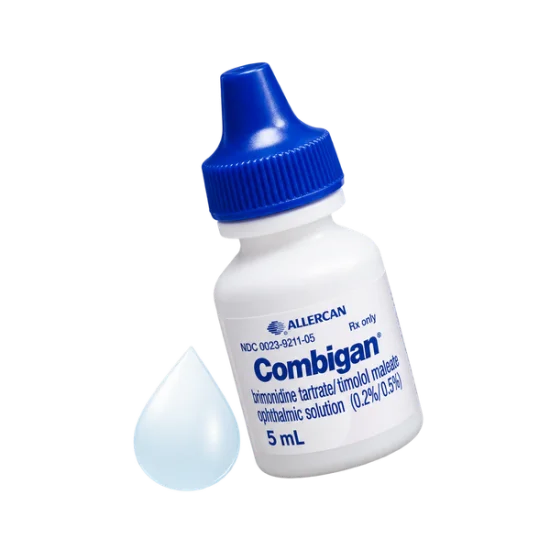
Combigan is an ophthalmic solution containing brimonidine tartrate and timolol maleate. It belongs to the fixed-combination class of ocular hypotensive medicines, combining an alpha-2 adrenergic receptor agonist with an ophthalmic beta-blocker.
Dosage and administration
The amount and frequency of Combigan depend on the purpose of treatment and are agreed with a doctor or pharmacist. The solution is placed into the affected eye or eyes using the prescribed regimen.
Use the following technique:
- Wash and dry your hands before application.
- Tilt your head back and look upward.
- Pull the lower eyelid down to create a small pocket.
- Hold the bottle above the eye without touching the eye, eyelashes, eyelids, or skin.
- Apply the prescribed number of drops.
- Close the eye gently rather than blinking repeatedly.
- Press the inner corner of the closed eye for about one minute.
- Replace the cap promptly after use.
- If other eye medicines are prescribed, separate them by the interval specified by the prescriber.
- Remove contact lenses before applying Combigan.
- Wait at least 15 minutes before reinserting contact lenses because ophthalmic preservatives may be absorbed by soft lenses.
The bottle tip can become contaminated if it touches the eye or surrounding skin. Contamination may introduce microorganisms into the solution and increase the risk of eye infection.
A missed dose should be used when remembered unless the next scheduled application is close. In that situation, skip the missed application and return to the regular schedule. Applying extra drops can increase irritation and does not reliably restore pressure control.
Formulation
Combigan combines brimonidine tartrate and timolol maleate in one ophthalmic preparation. Brimonidine belongs to the alpha-2 adrenergic receptor agonist class, while timolol belongs to the beta-blocker class. Together, they produce an ocular hypotensive effect through complementary mechanisms.
| Component | Pharmacological class | Main pressure-lowering action |
|---|---|---|
| Brimonidine tartrate | Alpha-2 adrenergic receptor agonist | Reduces aqueous humour production and supports uveoscleral outflow |
| Timolol maleate | Ophthalmic beta-blocker | Reduces aqueous humour production |
| Fixed combination | Dual-mechanism eye preparation | Provides two pressure-lowering actions in one bottle |
How it affects the body
Aqueous humour is the clear fluid continuously produced inside the eye. It normally drains through dedicated pathways. When production exceeds drainage, intraocular pressure rises. Brimonidine reduces fluid formation and can increase uveoscleral outflow, an alternative route by which fluid leaves the eye. Timolol reduces the formation of aqueous humour by blocking beta-adrenergic stimulation in the ciliary body.
How the Dual Formulation Works
Brimonidine acts on alpha-2 receptors in ocular tissues. Its action decreases signalling that promotes aqueous humour production. Timolol blocks beta receptors involved in aqueous humour formation. The two mechanisms address the same clinical goal from different pharmacological directions.
The pressure-lowering effect is local, but some of the solution can enter the bloodstream through the conjunctiva and the tear drainage system. That is why timolol-containing eye drops can affect the heart or lungs in susceptible patients.
Therapeutic indications
Ocular hypertension means that pressure inside the eye is higher than the usual range without definite optic-nerve damage. It can increase the risk of developing glaucoma. Glaucoma involves progressive injury to the optic nerve, which may lead to permanent loss of peripheral or central vision.
A Combigan eye drop 5 mL presentation is used to control elevated eye pressure in adults with open-angle glaucoma or ocular hypertension when monotherapy is insufficient. The aim of glaucoma treatment is pressure control, not immediate improvement in eyesight. A patient may feel no difference while the treatment is preventing further damage.
Common mistakes
Several practical errors can reduce the benefit of Combigan:
- Touching the dropper tip against the eye or eyelashes.
- Applying extra drops after a missed dose.
- Stopping treatment because glaucoma causes no symptoms.
- Applying the drop while wearing contact lenses.
- Reusing an old application schedule after the doctor has changed the regimen.
- Failing to mention oral beta-blockers, blood-pressure medicines, or respiratory disease.
- Blinking repeatedly immediately after application.
- Using the same bottle for another person.
- Driving immediately after an application that causes temporary blurred vision.
- Treating redness or discomfort with another eye product without checking for compatibility.
A frequent misconception is that one successful pressure reading means the disease has resolved. Glaucoma treatment controls risk; it does not remove the underlying susceptibility to optic-nerve injury.
Another mistake is placing two drops into the eye when one prescribed drop is sufficient. The extra fluid usually spills onto the cheek or drains through the tear duct rather than producing a proportionally greater benefit.
When not to use it
Combigan is not for you if you have:
- Bronchial asthma or a history of asthma attacks.
- Severe chronic obstructive pulmonary disease with significant breathing limitation.
- Sinus bradycardia, meaning an unusually slow heart rate.
- Second- or third-degree atrioventricular block without a functioning pacemaker.
- Overt cardiac failure or cardiogenic shock.
- A known allergy to brimonidine, timolol, or another ingredient in the preparation.
- Current treatment with a monoamine oxidase inhibitor or certain antidepressants that affect noradrenergic transmission, unless specifically assessed by the prescriber.
- A prior serious reaction to an ophthalmic beta-blocker.
Combigan is not routinely used in children under 2 years. Safety and efficacy in children and adolescents require age-specific medical assessment. The FDA prescribing information describes important respiratory and cardiovascular restrictions for the combination.[1]
When this is not for you
This treatment may not be suitable if you have asthma, serious breathing problems, a very slow pulse, heart-conduction problems, heart failure, or an allergy to its ingredients. Tell the prescribing clinician if you have diabetes, low blood pressure, fainting episodes, vascular disease, depression, kidney disease, liver disease, are pregnant, or are breastfeeding. People using oral beta-blockers may experience additive effects when an ophthalmic beta-blocker is added.
Possible side effects
The most frequent reactions are local to the eye. Burning, stinging, itching, redness, blurred vision immediately after application, dry eyes, and a foreign-body sensation may occur. Allergic conjunctivitis and conjunctival folliculosis are recognised ocular reactions associated with brimonidine-containing treatment.
Possible systemic effects include:
- Fatigue or unusual tiredness.
- Dizziness.
- Headache.
- Dry mouth.
- A slow pulse.
- Low blood pressure.
- Shortness of breath or wheezing.
- Sleep disturbance.
- Depressive symptoms in susceptible patients.
Severe wheezing, fainting, chest discomfort, marked weakness, facial swelling, or sudden changes in vision require prompt medical assessment. Severe eye pain, pronounced swelling, or a rapidly worsening red eye also needs urgent attention.
The combination may be less convenient than a single-agent drop because it contains two active pharmacological classes. It may also produce more local irritation than a treatment that contains only one pressure-lowering ingredient. The clinical benefit is the combined pressure reduction, balanced against these tolerability issues. Adverse-event information for brimonidine and timolol is described in regulatory product information and clinical safety reviews.[2]
One practical detail is easy to miss: blurred vision can occur briefly after application. It should clear before driving, cycling, climbing stairs, or operating machinery.
Another detail concerns contact lenses. Reinserting lenses too soon may expose them to the preservative and can increase discomfort, dryness, or lens-related irritation.
Comparison
Combination glaucoma drops place two pressure-lowering medicines in one bottle. This approach can reduce the number of separate instillation events compared with using two individual preparations. Fewer daily steps may help patients maintain treatment over months and years.
| Treatment approach | Main practical feature | Main limitation |
|---|---|---|
| Fixed combination drops | Two mechanisms in one bottle | Both ingredients are received together |
| Separate glaucoma drops | Each medicine can be adjusted independently | More bottles and more application times |
| Single-agent drops | Simpler pharmacology | May not lower pressure enough on its own |
A fixed combination is useful when both mechanisms are clinically appropriate and the target pressure is not reached with one agent. Separate drops may be preferable when the ophthalmologist needs to alter one component without changing the other.
What doctors say
In clinical practice, ophthalmologists usually present Combigan as a long-term pressure-control treatment rather than a short course for eye discomfort. The purpose is to reduce the risk of optic-nerve damage by maintaining intraocular pressure within the patient’s target range.
Doctors also consider the patient’s pulse, blood pressure, respiratory history, current medicines, and ability to apply drops correctly. A patient with asthma or a slow resting pulse may need another treatment approach because of timolol’s systemic beta-blocking potential.
Consistent use matters more than a strong sensation after the drop. Stinging does not prove that the pressure has fallen, and the absence of stinging does not prove that treatment is ineffective. Ophthalmology guidelines from Health Canada, the European Medicines Agency, and other regulatory bodies support individualised pressure targets and ongoing monitoring.
Common questions
What should I do after missing a Combigan dose?
Apply the missed dose when you remember unless the next scheduled application is close. If the next dose is due soon, skip the missed application and continue with the usual schedule rather than doubling the amount. The FDA product information advises against using extra drops to compensate for a missed application. The date of the prescribing information should be checked against the current treatment plan in 2026.
Can people under 18 use Combigan?
Combigan is not routinely used in children under 2 years, and treatment in older children or adolescents requires an age-specific decision. The risks of brimonidine and timolol can differ in younger patients, especially when breathing, heart-rate, or neurological effects are possible. Health Canada and the EMA describe paediatric restrictions and precautions for brimonidine-containing ophthalmic products. In 2026, age and medical history remain essential parts of suitability assessment.
Which concrete condition rules out Combigan?
A history of bronchial asthma is a major reason Combigan may be unsuitable because timolol can trigger bronchospasm. Severe chronic obstructive pulmonary disease, marked bradycardia, certain heart-conduction disorders, and overt cardiac failure also require avoidance or specialist assessment. The FDA identifies these cardiovascular and respiratory contraindications in its 2013 prescribing information. A clinician should know about inhaler use, wheezing, fainting, and unusually slow pulse before treatment begins.
What should be discussed with a doctor before starting Combigan?
Discuss asthma, chronic obstructive pulmonary disease, slow pulse, heart block, heart failure, low blood pressure, fainting, depression, diabetes, pregnancy, breastfeeding, and previous reactions to eye drops. Provide a full list of prescription medicines, non-prescription products, and supplements, including oral beta-blockers and blood-pressure treatments. Health Canada’s ophthalmic safety information places emphasis on medical history and concurrent therapy in 2026. The review should also cover contact-lens use and the ability to apply drops accurately.
Can Combigan be combined with oral beta-blockers or blood-pressure medicines?
Combining ophthalmic timolol with oral beta-blockers can increase beta-blocking effects, including a slower pulse, low blood pressure, fatigue, or breathing problems. Blood-pressure medicines and certain heart medicines may add to these effects. Do not change a cardiovascular medicine independently; the prescriber should coordinate the full regimen. EMA pharmacovigilance information for ophthalmic beta-blockers supports monitoring when systemic medicines with similar effects are used together in 2026.
What should I do if the expected pressure result does not occur?
Do not add extra applications or stop Combigan independently if the pressure remains above the target. Arrange the planned ophthalmology review so pressure readings, application technique, adherence, and other eye medicines can be assessed. The doctor may adjust the regimen, add another mechanism, or choose a different approach based on examination findings. The WHO describes glaucoma care as a continuing process that depends on monitoring rather than symptoms alone, including in 2026.
Do you offer anonymous delivery?
Your order will be securely packed and shipped within 24 hours. This is exactly what your package will look like (images of an actual item sent). It has the size and look of a regular private letter (24x11x0.7 cm) and its contents cannot be seen.
Customer Feedback on Combigan
Kamloops, I used one drop twice daily for several weeks, and Combigan fitted into my daily routine without much trouble. My eyes felt more comfortable after the first few weeks, and the main benefit was knowing that my pressure was being controlled at follow-up visits.
Regina, I used one drop twice daily for several weeks for ocular hypertension and found the application straightforward. The pressure reduction was clear at my review, and I preferred one bottle rather than remembering two separate eye medicines.
Moncton, I used one drop twice daily for several weeks, and Combigan helped lower my eye pressure, but I had mild burning and some redness after applying it. The irritation was manageable, although the effect was slower than I expected during the first couple of weeks.
Hamilton, I used one drop twice daily for several weeks, and the drops improved my pressure readings, but I noticed tiredness and occasional dizziness. I discussed it with my doctor, who reviewed my other medicines and helped decide whether continuing the combination made sense.
Sources
- U.S. Food and Drug Administration (2013). COMBIGAN (brimonidine tartrate and timolol maleate) Ophthalmic Solution Prescribing Information.
- Health Canada (2019). COMBIGAN Product Monograph.