Skip to content
Save up to 80%
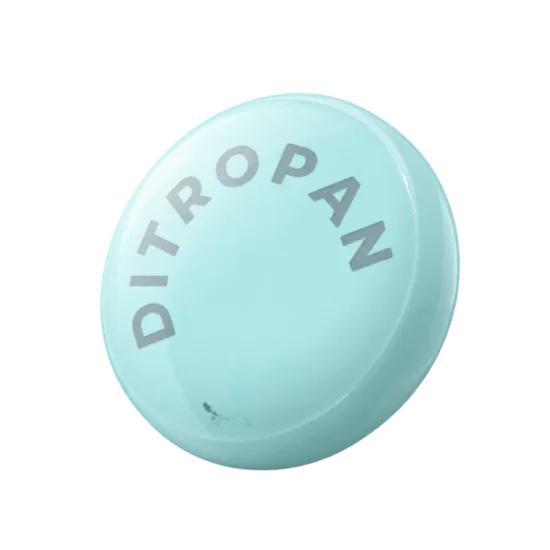
Ditropan
Active ingredient: Oxybutynin

Ditropan

Quality products
24/7 Support
Fast delivery
Delivery from 4 days
Select pack Package Per unit Price

Free delivery on orders from $ 296.00, free express delivery from $ 444.00

Secure Payments
Track your order
Best price guarantee

Patients with overactive bladder, urinary urgency, frequent urination, or urge incontinence may be prescribed Ditropan. It helps reduce involuntary bladder contractions and supports better control of urgency and urge incontinence.

Overview

Ditropan contains oxybutynin hydrochloride, an antimuscarinic that relaxes the bladder’s detrusor muscle and helps reduce involuntary contractions.

Oxybutynin hydrochloride belongs to the anticholinergic and antispasmodic groups.

Dosage and administration

The dose of Ditropan is decided individually, taking age, other medicines, kidney or liver function, and health conditions into account. The prescribed dose also depends on whether the tablet is immediate release or modified release.

Key administration principles include:

  • Take the tablets by mouth at the prescribed frequency.
  • Swallow each dose with water.
  • Take doses at consistent times when possible.
  • Follow the prescribed schedule rather than adjusting doses according to symptom severity.
  • Do not crush, chew, or split a modified-release tablet unless the product instructions specifically permit it.
  • If a dose is missed, take it when remembered unless the next scheduled dose is near.
  • Do not double the next dose to compensate for a missed tablet.

Immediate-release and extended-release oxybutynin follow different administration patterns. A modified-release tablet may release its contents over many hours, so crushing it can disrupt the intended delivery pattern and increase adverse effects.

Dry mouth can tempt people to drink large amounts quickly. Small, regular sips, sugar-free gum, and good dental care are usually more practical than repeatedly drinking a full glass.

Treatment duration depends on symptom response and tolerability. Some people notice fewer urgency episodes before they feel the full benefit, while others need a medication review because bladder symptoms have another cause or the anticholinergic burden is too high.

Formulation

Ditropan tablets contain oxybutynin hydrochloride as the active substance. Oxybutynin is also available as a generic medicine, while modified-release products use a different release design to deliver the same active substance more gradually.

The active ingredient remains oxybutynin hydrochloride. The difference between a brand-name product and a generic equivalent usually concerns formulation details, inactive ingredients, and regulatory product presentation rather than the pharmacological target.

How it affects the body

Oxybutynin is an anticholinergic antimuscarinic agent. Acetylcholine normally activates muscarinic receptors in the bladder wall, encouraging detrusor contraction. Oxybutynin blocks this signalling, allowing the bladder to hold urine with fewer involuntary contractions.

The result is reduced urgency and fewer episodes of urge incontinence. Its antispasmodic action also reduces bladder muscle spasms. The same anticholinergic activity can affect other tissues, which explains dry mouth, constipation, blurred vision, and reduced sweating.

The main pharmacological trade-off is clear:

  • Bladder contractions become less frequent.
  • Urgency may become easier to control.
  • Anticholinergic effects can occur outside the urinary tract.
  • Higher exposure may increase dizziness, confusion, constipation, and visual symptoms.

Health Canada product information for oxybutynin describes its use in bladder conditions involving detrusor instability and highlights systemic anticholinergic reactions as a predictable safety consideration [1].

Therapeutic indications

Ditropan is an oxybutynin tablet used for symptoms linked to overactive bladder. It reduces involuntary bladder contractions that can cause urgency, frequency, nocturia, and urinary incontinence.

Oxybutynin tablets are used to treat overactive bladder symptoms, including:

  • Sudden, difficult-to-defer urges to urinate
  • Frequent daytime urination
  • Urge urinary incontinence
  • Bladder spasms
  • Night-time urination associated with bladder overactivity

The medicine targets bladder storage symptoms. It does not treat every cause of urinary leakage, and symptoms caused by infection, obstruction, neurological disease, or uncontrolled diabetes require separate assessment.

Role in Bladder Management

Ditropan is often prescribed alongside bladder-training measures. These may include scheduled voiding, pelvic-floor exercises, moderation of caffeine, and gradual adjustment of fluid timing. The medicine reduces detrusor overactivity, while behavioural measures can improve bladder control from another direction.

Caffeine, carbonated drinks, and large evening fluid volumes can aggravate urgency in some people. Recording drinks and urinary episodes for several days can help identify personal triggers.

Common mistakes

Several practical mistakes can reduce benefit or increase adverse effects.

  • Taking extra tablets after a particularly urgent day.
  • Crushing a modified-release tablet.
  • Stopping all fluids to avoid urination.
  • Ignoring constipation until it becomes severe.
  • Driving before assessing blurred vision or drowsiness.
  • Forgetting to mention non-prescription antihistamines or sleep medicines.
  • Assuming every urinary symptom is caused by overactive bladder.
  • Continuing treatment despite inability to pass urine.
  • Missing doses frequently and then judging the medicine as ineffective.
  • Failing to mention new confusion, overheating, or severe eye pain.

Severely restricting fluids can concentrate urine and worsen bladder irritation. A better approach is to distribute fluids across the day and reduce personal triggers such as caffeine when these clearly provoke urgency.

Constipation can worsen bladder pressure and urgency. Maintaining regular bowel movements may improve comfort and can make the anticholinergic regimen easier to tolerate.

When not to use it

Ditropan is not for you if you have

  • Urinary retention or a significant inability to empty the bladder
  • Gastric retention or severe gastrointestinal obstruction
  • Uncontrolled narrow-angle glaucoma
  • A known allergy to oxybutynin or an excipient in the tablets
  • Severe intestinal atony
  • Certain severe forms of ulcerative colitis
  • A condition in which anticholinergic effects would be unsafe

When this is not for you

Ditropan is not suitable for everyone. The main concern is excessive anticholinergic activity affecting the bladder, bowel, eyes, heart, brain, or ability to sweat.

Extra caution is needed with prostate-related bladder outlet obstruction, autonomic neuropathy, gastroesophageal reflux, impaired kidney function, impaired liver function, and cardiac rhythm problems.

Older adults can be more sensitive to confusion, drowsiness, constipation, urinary retention, and falls. Anticholinergic exposure from several medicines can add together. Sedating antihistamines, some antidepressants, certain antipsychotics, tricyclic medicines, and other bladder antimuscarinics may increase the total burden.

Tell the prescriber about medicines that slow bowel movement, impair urination, affect heart rhythm, or cause drowsiness. Alcohol may intensify dizziness or reduced alertness. Combining multiple anticholinergic medicines without review can produce a disproportionate increase in side effects.

Pregnancy and breastfeeding require an individual risk assessment because treatment decisions depend on symptom severity, alternatives, and maternal factors.

A useful medication review includes non-prescription sleep aids, allergy tablets, travel-sickness medicines, and herbal products. Several over-the-counter products can add anticholinergic or sedating effects without appearing related to bladder treatment.

Possible side effects

Oxybutynin side effects reflect muscarinic receptor blockade in several organs. Dry mouth is common. Constipation, dry eyes, blurred vision, dizziness, headache, nausea, and reduced sweating may also occur.

Common anticholinergic effects

  • Dry mouth or throat
  • Constipation
  • Dry eyes
  • Blurred vision
  • Dizziness or drowsiness
  • Headache
  • Nausea or stomach discomfort
  • Reduced sweating
  • Facial flushing
  • Difficulty initiating urination

Dry mouth and constipation often appear early. They may improve as the body adjusts, but persistent symptoms can lead to dental problems, abdominal discomfort, or treatment discontinuation.

Blurred vision may result from reduced tear production or impaired near focusing. Dizziness can be more troublesome when standing quickly, during hot weather, or when other medicines also lower blood pressure or cause sedation.

Serious reactions requiring prompt medical attention

Seek urgent medical assessment for:

  • Inability to pass urine
  • Severe abdominal swelling or pain
  • Severe confusion, agitation, hallucinations, or unusual drowsiness
  • Fainting or a rapid, irregular heartbeat
  • Eye pain with sudden visual disturbance
  • Signs of a serious allergic reaction
  • Severe overheating with little or no sweating

Oxybutynin can reduce sweating. Hot environments and strenuous activity may therefore raise the risk of overheating, especially in older adults and people who cannot regulate fluid intake independently.

Do not drive or operate machinery after the first doses until you know how Ditropan affects vision, alertness, and balance. Blurred vision can make night driving unsafe even when daytime vision seems acceptable.

The U.S. Food and Drug Administration describes anticholinergic effects as a safety concern and advises careful consideration of medicines that can impair cognition, vision, bowel movement, or urinary flow [2].

Comparison

Ditropan is one option among medicines used for overactive bladder. Alternatives differ in receptor selectivity, mechanism, release profile, cardiovascular considerations, and adverse-effect patterns.

Treatment category Main action Common clinical consideration
Oxybutynin Antimuscarinic detrusor relaxation Dry mouth, constipation, blurred vision, and cognitive effects may limit use
Other antimuscarinics, such as solifenacin or tolterodine Muscarinic receptor blockade Tolerability and receptor selectivity vary between medicines
Beta-3 agonist, such as mirabegron Relaxes detrusor muscle through beta-3 receptor stimulation Blood pressure and cardiovascular history may influence suitability

No option suits every patient. Oxybutynin may help urgency and incontinence, yet its anticholinergic effects can be more limiting for older adults or people already taking several medicines with similar activity.

What doctors say

In clinical practice, prescribers usually set expectations around symptom reduction rather than complete elimination of every urinary episode. A useful response may mean fewer urgent trips to the washroom, longer intervals between voids, or fewer leakage episodes.

Doctors often review three points early:

  • Has urgency improved?
  • Can the bladder empty comfortably?
  • Are dry mouth, constipation, blurred vision, or mental changes acceptable?

A response that improves continence but causes urinary retention is not a satisfactory outcome. The treatment plan may need adjustment if the bladder feels full but urine flow becomes weak or difficult.

The WHO describes urinary incontinence as a symptom with multiple possible causes, so persistent symptoms deserve clinical assessment rather than automatic escalation of bladder medicine [3]. Infection, pelvic-floor dysfunction, neurological disease, diabetes, prostate obstruction, and excess fluid intake can require different treatment.

Common questions

What happens after stopping Ditropan, and does it need tapering?

Stopping Ditropan may allow urgency, frequency, or urge incontinence to return if the underlying bladder overactivity remains. Oxybutynin is not generally associated with a withdrawal syndrome that requires routine tapering, though the prescribing clinician may choose a gradual change when several bladder medicines are involved. The 2022 FDA prescribing information for oral oxybutynin describes dose adjustment according to response and tolerability rather than a universal tapering schedule [4]. A sudden return of symptoms, urinary retention, or inability to urinate needs medical assessment.

Can Ditropan affect driving, concentration, or machinery work?

Ditropan can cause blurred vision, dizziness, drowsiness, or confusion, which may impair driving and machinery work. The risk can be higher after starting treatment, after a dose change, during hot weather, or when alcohol or sedating medicines are also present. The 2024 Health Canada safety information supports caution with activities requiring clear vision and alertness. Do not drive or operate machinery until your individual response is predictable.

How does Ditropan differ from medicines with another mechanism?

Ditropan uses oxybutynin, an antimuscarinic that blocks acetylcholine activity in the detrusor muscle. Mirabegron uses beta-3 adrenergic stimulation to relax the bladder through a different signalling pathway. Antimuscarinic treatment may produce dry mouth, constipation, and blurred vision, while beta-3 treatment requires attention to blood pressure and cardiovascular history. The 2022 U.S. Food and Drug Administration label describes these as different pharmacological approaches to bladder storage symptoms.

What should be discussed before starting Ditropan?

Before starting, discuss urinary retention, glaucoma, bowel obstruction, severe constipation, prostate-related difficulty urinating, kidney or liver disease, and any history of confusion. Provide a complete list of prescribed medicines, allergy tablets, sleep aids, antidepressants, and other products that can cause drowsiness or anticholinergic effects. The 2024 Health Canada product monograph for oxybutynin also supports reviewing pregnancy, breastfeeding, and conditions that impair sweating. Mention whether you work in heat, drive professionally, or operate machinery.

What is the best time of day to take Ditropan?

The best time depends on the prescribed formulation, frequency, bladder symptom pattern, and tolerability. Taking doses at consistent times can make adherence easier, while some people need scheduling that reduces troublesome night-time urgency or daytime side effects. The 2022 FDA label for oxybutynin states that administration should follow the prescribed regimen for the selected formulation. Do not move all doses to one time or alter the interval without medical direction.

Do you offer anonymous delivery?

Your order will be securely packed and shipped within 24 hours. This is exactly what your package will look like (images of an actual item sent). It has the size and look of a regular private letter (24x11x0.7 cm) and its contents cannot be seen.

Customer Feedback on Ditropan

4.5
Based on 4 reviews
Harry B., 68 Nanaimo Several weeks
Verified
Rating: 5 out of 5

I used Ditropan tablets for several weeks and noticed fewer sudden urges during the day. I could complete errands without searching for a washroom every hour, which made the treatment worthwhile for me.

Nov 6, 2026
Alan C., 55 Montreal
Verified
Rating: 4.5 out of 5

Ditropan reduced the leakage that had been interrupting my workday. The improvement was gradual rather than immediate, but I was satisfied once the urgent episodes became much less frequent.

Oct 10, 2026
Ryan, 32 London A few weeks
Verified
Rating: 5 out of 5

I took the tablets for bladder urgency and found that night-time trips became less disruptive. After a few weeks, I was sleeping through more often and felt more confident during long meetings.

Oct 23, 2026
Colin, 57 Barrie
Verified
Rating: 3.5 out of 5

The urgency improved, but dry mouth and constipation became annoying after a while. I stopped taking it after discussing the problem with my doctor because the side effects were outweighing the benefit for me.

Oct 16, 2026

Sources

  1. Health Canada (2024). Product Monograph — Oxybutynin Hydrochloride Tablets.
  2. U.S. Food and Drug Administration (2022). Ditropan (oxybutynin chloride) tablets: Prescribing Information.
  3. World Health Organization (2023). Urinary Incontinence: Fact Sheet.
  4. National Institute for Health and Care Excellence (2015). Lower urinary tract symptoms in men: management (CG97).
Get our free app Shop faster and track your orders 4.0 · 269 reviews Install