Skip to content
Save up to 80%
Fosamax
Active ingredient: Alendronate

Fosamax

Quality products
24/7 Support
Fast delivery
Delivery from 4 days
Select pack Package Per unit Price

Free delivery on orders from $ 296.00, free express delivery from $ 444.00

Secure Payments
Track your order
Best price guarantee

Adults with osteoporosis or a high fracture risk may be prescribed Fosamax, an oral tablet containing alendronate sodium. It helps slow bone breakdown in postmenopausal women, men with osteoporosis, and selected patients with Paget’s disease of bone. Correct morning administration is essential for absorption and oesophageal safety.

Overview

Fosamax contains alendronate, a bisphosphonate used to treat osteoporosis and reduce the risk of osteoporosis-related fractures. It is also prescribed for Paget’s disease of bone, a condition involving abnormal bone remodelling. Health Canada product information describes alendronate as part of a treatment plan that includes assessment of fracture risk, calcium status, vitamin D status, and kidney function [1].

Dosage and administration

Fosamax is supplied as oral tablets. The product identified for this page contains four tablets, while the number of tablets in a pack does not represent a different strength or a different pharmacological action.

How much to use and how often depends on the condition being treated and the prescribed formulation. The appropriate amount and schedule are agreed with the prescriber or pharmacist.

Tablet Administration

When Fosamax is prescribed, taking it according to the agreed schedule can help maintain a reliable routine. The tablet should be taken in the morning after getting out of bed, before food, drinks other than plain water, or other oral medicines.

Do not change the prescribed dosing schedule or take extra tablets to compensate for a missed dose.

Correct Fosamax Administration

Use the following sequence for the prescribed tablet:

  • Take the prescribed tablet after waking.
  • Swallow it with a full glass of plain water.
  • Take it before breakfast, coffee, juice, supplements, or other oral medicines.
  • Remain sitting or standing for at least 30 minutes.
  • Avoid eating, drinking anything other than plain water, or taking other medicines during that initial period.
  • Swallow the tablet whole.

Morning Administration Sequence

Fosamax should not be taken at bedtime or immediately before lying down. Remaining upright helps reduce contact between the tablet and the oesophagus, the tube connecting the mouth with the stomach.

Do not chew, crush, suck, or dissolve the tablet. The tablet is intended to reach the stomach intact.

A practical routine is to take Fosamax on waking, remain upright while washing or preparing for the day, then eat breakfast after the required interval.

Common Administration Mistakes

The most frequent errors include:

  • Taking the tablet with coffee or orange juice.
  • Swallowing it with only a small sip of water.
  • Taking calcium or an antacid at the same time.
  • Lying down again after taking it.
  • Chewing or sucking the tablet.
  • Taking extra tablets after a missed dose.
  • Continuing despite painful swallowing or new chest discomfort.

If a dose is missed, obtain individual instructions from a pharmacist or prescriber rather than taking extra tablets. If the tablet was swallowed incorrectly or a dosing error occurred, obtain individual instructions from a pharmacist or prescriber.

Calcium Intake and Supplement Timing

Calcium supplements should be taken later in the day rather than with Fosamax. The same separation applies to calcium-containing antacids. Taking both products together can bind alendronate in the digestive tract and reduce absorption.

Dietary calcium may be sufficient for some people. Others may need a supplement after assessment of diet, kidney function, blood calcium, and vitamin D status. Universal supplement doses are not appropriate because requirements vary with health conditions and other medicines.

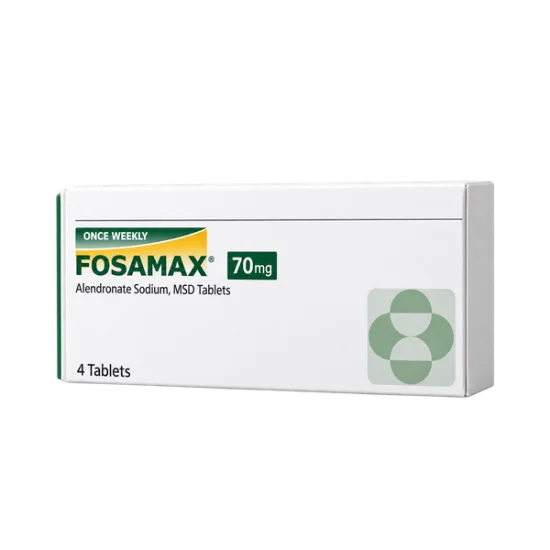
Formulation

The active ingredient is alendronate sodium. Fosamax tablets are intended for oral use, and the pharmacological class is bisphosphonates. How much to use and how often depends on the purpose of treatment and is agreed with a doctor or pharmacist.

Fosamax is not a calcium replacement. Calcium and vitamin D may still be needed when dietary intake or blood levels are inadequate.

Bone Remodelling and Resorption

Bone is continuously renewed. Think of remodelling as controlled renovation: osteoclasts remove older tissue, while osteoblasts build new tissue. In osteoporosis, removal can exceed replacement, leading to reduced bone mass.

Alendronate slows the removal phase. Its clinical effect develops gradually, so a person may not feel an immediate change even when treatment is supporting bone strength.

How it affects the body

Alendronate binds to mineral surfaces in bone. Osteoclasts are cells that remove old bone during normal bone remodelling. Alendronate reduces osteoclast-driven bone resorption, allowing bone formation and mineral maintenance to become more balanced over time.

Therapeutic indications

Fosamax may be used for osteoporosis treatment when bone density, previous fractures, age-related risk, medication exposure, or other clinical factors indicate a meaningful fracture risk. Treatment and prevention are related but not identical decisions. A clinician may use a DXA scan, fracture history, and other risk factors to determine whether alendronate is appropriate.

The aim is to preserve bone mass and reduce fracture risk. Fosamax does not remove every cause of bone loss, and it does not guarantee that a fracture cannot occur. Fracture risk can change as health conditions, medicines, and mobility change. Follow-up helps determine whether the treatment remains appropriate. Clinicians may adjust the plan when benefits, risks, or adherence change.

Paget’s Disease of Bone

Paget’s disease causes areas of bone to break down and rebuild in a disorganised way. Affected bone may become enlarged, structurally weak, or painful. Alendronate can be prescribed for Paget’s disease under a condition-specific regimen, which may differ from the usual weekly osteoporosis schedule.

Do not apply the osteoporosis schedule to Paget’s disease without a prescriber’s instructions.

Common mistakes

Several avoidable habits can reduce benefit or increase irritation:

  • Taking Fosamax after breakfast instead of before food.
  • Using coffee, tea, juice, or mineral water instead of plain water.
  • Taking calcium, iron, magnesium, or an antacid with the tablet.
  • Reclining or going back to sleep after dosing.
  • Chewing or sucking the tablet.
  • Taking two weekly tablets after forgetting one.
  • Stopping after a normal-feeling week because osteoporosis has few symptoms.
  • Failing to mention Fosamax before dental surgery.
  • Assuming every alendronate product has the same schedule.

One small routine change helps: keep the weekly dose linked to a consistent weekday, then remain upright while completing the morning routine.

When not to use it

  • Serious allergy to alendronate or any tablet component.
  • Inability to remain upright for at least 30 minutes.
  • Abnormalities of the oesophagus that delay emptying.
  • Significant difficulty swallowing.
  • Low blood calcium that has not been corrected.
  • Significant kidney impairment.
  • Active oesophageal symptoms or untreated upper gastrointestinal disease.
  • Pregnancy or breastfeeding, unless a specialist determines that treatment is appropriate.

Alendronate should not be taken at the same time as calcium supplements, antacids, iron, magnesium, or other oral products that reduce absorption. Other medicines may also need timing adjustments.

When this is not for you

Fosamax is not suitable for everyone. NOT for you if you cannot remain upright for 30 minutes, have significant swallowing problems, or have uncorrected low blood calcium; a clinician should assess alternatives.

Possible side effects

Fosamax can cause digestive symptoms, musculoskeletal discomfort, and irritation of the upper digestive tract. Many reactions are mild, but severe or persistent symptoms require clinical review.

Common Digestive and Musculoskeletal Effects

Possible reactions include:

  • Abdominal discomfort or indigestion.
  • Nausea.
  • Constipation or diarrhoea.
  • Bone, muscle, or joint pain.
  • Headache.
  • Heartburn or discomfort behind the breastbone.

A symptom that begins soon after each dose may be relevant, especially if it persists. Painful swallowing, difficulty swallowing, worsening heartburn, or chest pain can indicate oesophageal irritation or injury and should not be ignored.

If heartburn starts after Fosamax, do not simply take an antacid at the same time as the tablet. Separate calcium-containing antacids from alendronate and report persistent symptoms.

Allergic Reactions and Serious Warning Signs

Urgent medical attention is appropriate for facial or throat swelling, breathing difficulty, widespread hives, faintness, or a severe unusual reaction after alendronate. A known serious allergy to alendronate is a reason to obtain medical advice before another dose.

Severe chest pain, new difficulty swallowing, vomiting blood, black stools, or intense upper abdominal pain also require prompt assessment. These symptoms may reflect significant gastrointestinal injury rather than ordinary indigestion.

Oesophageal Injury and Osteonecrosis Risk

Oesophageal injury is more likely when alendronate is taken without enough water or when the person lies down soon afterward. The medicine should be stopped and assessed promptly when significant swallowing pain or chest pain develops.

Osteonecrosis of the jaw is an uncommon complication involving exposed or poorly healing jawbone. Risk may be higher in people receiving intensive bisphosphonate treatment, those with cancer-related therapy, poor oral health, or invasive dental procedures. Dental care should not be abandoned. Tell the dentist and prescriber about bisphosphonate treatment before planned oral surgery.

Comparison

Fosamax is one option within a wider treatment group. The choice depends on fracture pattern, kidney function, gastrointestinal tolerance, adherence, menopausal status, prior therapy, and contraindications.

Treatment category Route and practical feature Main clinical distinction
Oral bisphosphonates Tablets taken on a strict schedule Avoids injections, but administration can be difficult
Injectable or infused antiresorptives Injection or intravenous treatment Useful when oral administration is unsuitable; monitoring and discontinuation planning differ
Bone-forming or selective treatments Usually specialist-directed Considered for selected patients with high fracture risk or specific clinical factors

Alternative Bisphosphonates

Other bisphosphonates include ibandronate, sold in some settings as Boniva; risedronate, associated with Actonel; pamidronate, associated with Aredia; etidronate; and zoledronic acid, associated with Reclast.

These medicines do not have identical indications, dosing schedules, or fracture evidence. Zoledronic acid is administered by infusion, while some other options are oral. A clinician selects among them according to renal function, fracture site, digestive tolerance, and adherence.

Non-Bisphosphonate Osteoporosis Treatments

Denosumab is used in different clinical contexts under names including Prolia and Xgeva. Prolia is used for selected osteoporosis indications, while Xgeva has different oncology-related uses and dosing contexts.

Teriparatide, associated with Forteo, and abaloparatide, associated with Tymlos, are bone-forming treatments for selected high-risk patients. Raloxifene, associated with Evista, may be considered in specific postmenopausal situations. None is automatically safer or more suitable than Fosamax.

What doctors say

In clinical practice, the most preventable Fosamax problem is often administration with food, coffee, calcium, or insufficient water. A prescriber will usually focus on whether the tablet is reaching the stomach correctly before concluding that alendronate is not helping.

Follow-up may include:

  • Adherence to the prescribed schedule.
  • Correct morning administration.
  • New swallowing or reflux symptoms.
  • Kidney function and calcium status.
  • Vitamin D intake or testing when relevant.
  • Fractures or falls during treatment.
  • Dental disease and planned invasive procedures.
  • DXA results and changes in clinical risk.

The optimal duration of bisphosphonate treatment is individualised. A treatment pause or a switch may be considered after risk review; it is not an automatic decision based only on elapsed time.

Osteoporosis Canada guidance and the Canadian product information support risk-based follow-up. Osteonecrosis of the jaw remains uncommon, and routine dental care remains part of good health management.

Common questions

What should be discussed with a doctor before starting Fosamax?

Discuss fracture history, DXA results, kidney function, calcium and vitamin D status, swallowing problems, reflux, dental procedures, pregnancy, and all medicines or supplements. Health Canada product information identifies oesophageal abnormalities, inability to remain upright, hypocalcaemia, and serious alendronate allergy as key issues to assess. These points remain relevant in 2026 because administration suitability is central to bisphosphonate safety.

What should be done after a missed Fosamax dose?

For the usual once-weekly 70 mg regimen, the standard approach is to take one tablet on the morning after remembering, then resume the regular weekly schedule. Do not take two tablets on the same day. The EMA product information, dated 2024, gives missed-dose instructions for weekly alendronate, while a pharmacist or prescriber should handle unusual dosing errors or condition-specific regimens.

Can Fosamax be combined with calcium supplements or antacids?

Calcium supplements, calcium-containing antacids, iron, and magnesium can reduce alendronate absorption when taken together. They should be scheduled later rather than swallowed with Fosamax. WHO nutrition guidance from 2020 recognises calcium and vitamin D as relevant to bone health, but individual supplement needs depend on diet, blood results, kidney function, and concurrent products.

How long does one Fosamax dose keep working?

The 70 mg tablet is designed for a once-weekly osteoporosis schedule, with alendronate remaining associated with bone mineral after absorption. A single dose does not provide immediate relief from pain and does not eliminate fracture risk for the entire treatment course. The EMA’s 2024 bisphosphonate information supports regular dosing because the therapeutic effect depends on continued treatment over time.

Can Fosamax tablets be split, crushed, or chewed?

Fosamax tablets should be swallowed whole with plain water. They should not be chewed or sucked because direct contact with the mouth and oesophagus can cause irritation, and crushing changes the intended administration method. The Health Canada monograph from 2023 specifies whole-tablet oral administration, so a swallowing problem should prompt discussion of another treatment approach.

Is Fosamax suitable for older adults?

Older adults may receive Fosamax when osteoporosis or fracture risk supports treatment and kidney function and swallowing ability are suitable. Age alone is not a contraindication. WHO guidance from 2020 and Osteoporosis Canada guidance from 2023 place weight on fracture risk, falls, renal function, nutrition, mobility, and the person’s ability to follow the morning administration sequence.

Which symptoms require urgent medical attention?

Seek urgent assessment for breathing difficulty, facial or throat swelling, severe chest pain, painful swallowing, inability to swallow, vomiting blood, or black stools. These symptoms may indicate an allergic reaction or significant upper gastrointestinal injury. The EMA safety information from 2024 and Health Canada information from 2023 support prompt evaluation rather than taking another dose and waiting for symptoms to pass.

Do you offer anonymous delivery?

Your order will be securely packed and shipped within 24 hours. This is exactly what your package will look like (images of an actual item sent). It has the size and look of a regular private letter (24x11x0.7 cm) and its contents cannot be seen.

Customer Feedback on Fosamax

4.1
Based on 5 reviews
Kevin, 57 St. John's Several months
Verified
Rating: 3.5 out of 5

St. John's, I used Fosamax once weekly for several months. My follow-up showed that my bone density had stabilised, though the morning routine was inconvenient and I had to stop taking it with my usual coffee.

Oct 10, 2026
Megan, 41 Red Deer Several months
Verified
Rating: 5 out of 5

Red Deer, I took the 70 mg tablet once weekly for several months, on the same weekday each week, and kept calcium for later in the day. The routine became easy after the first few weeks, and I felt reassured that I was actively addressing my fracture risk.

Oct 21, 2026
Zoe T., 38 Calgary Several months
Verified
Rating: 4 out of 5

Calgary, Fosamax fitted into my morning schedule better than I expected. I took the 70 mg tablet once weekly for several months, with a full glass of water, and waited before breakfast. I was satisfied with how manageable the weekly routine became.

Oct 23, 2026
Emily, 46 Saint John Several months
Verified
Rating: 5 out of 5

Saint John, I used the 70 mg weekly tablets consistently for several months and kept a reminder for the same weekday. The main benefit for me was having a clear treatment routine rather than remembering a tablet every day.

Oct 30, 2026
Elaine, 29 Toronto Several months
Verified
Rating: 3 out of 5

Toronto, I took the 70 mg tablet once weekly for several months, but found the administration rules difficult because I usually ate breakfast immediately after waking. I also developed persistent upper digestive discomfort, so I stopped taking further tablets and discussed alternatives with my prescriber.

Nov 8, 2026

Sources

  1. Health Canada (2023). Fosamax Product Monograph — alendronate sodium tablets.
Get our free app Shop faster and track your orders 4.0 · 269 reviews Install