Skip to content
Save up to 80%
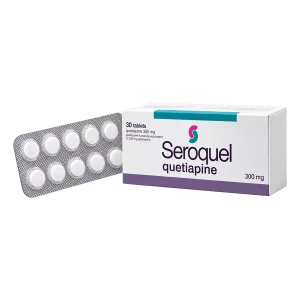
Seroquel
Active ingredient: Quetiapine

Seroquel

Quality products
24/7 Support
Fast delivery
Delivery from 4 days
Select pack Package Per unit Price

Free delivery on orders from $ 296.00, free express delivery from $ 444.00

Secure Payments
Track your order
Best price guarantee

Schizophrenia and some mood disorders may require an antipsychotic that acts on dopamine and serotonin signalling. Seroquel contains quetiapine, an atypical antipsychotic used under medical supervision to reduce psychotic symptoms and support mood treatment.

Overview

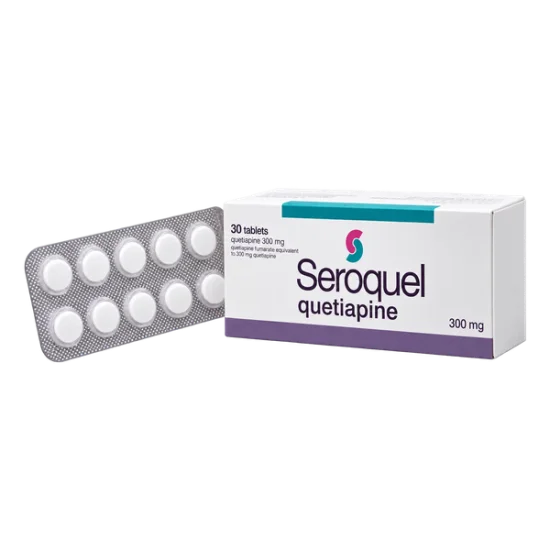
Seroquel is an atypical antipsychotic product supplied as oral tablets. Its active ingredient is quetiapine, supplied as quetiapine fumarate, and it is used under medical supervision for schizophrenia and some mood disorders. Dosing differs between strengths and between users, so there is no single amount that suits everyone.

Dosage and administration

  • Dose: Take only the amount of Seroquel prescribed for you. The appropriate amount differs between strengths and between users; the 300 mg marking does not establish a suitable dose for everyone.
  • Frequency and timing: Take Seroquel by mouth according to the schedule directed by your clinician. Follow the prescribed treatment plan for the timing of each dose.
  • Duration: Continue treatment for the duration prescribed by your clinician, because treatment length differs between users and treatment plans.
  • Route and form: Seroquel is supplied as an oral tablet. Take the tablets by mouth and do not use them as a topical product or by another route.
  • Dose changes: Do not change the amount or schedule without medical supervision, because dosing may require individual adjustment.

Formulation

Seroquel contains quetiapine, supplied as quetiapine fumarate, and belongs to the atypical antipsychotic class. The product is supplied as tablets, and dosing differs between strengths and between users, so no single amount suits everyone.

Active ingredient and pharmacological class

Quetiapine is the active antipsychotic substance in Seroquel. Quetiapine fumarate is the salt form used in the tablet formulation. Its pharmacological action involves several receptor systems rather than one isolated pathway.

The term “atypical” describes a group of antipsychotics with a receptor profile that differs from older dopamine-focused medicines. Quetiapine can help reduce hallucinations, delusions, disorganized thinking, agitation associated with illness, and other symptoms when it is prescribed for an appropriate condition.

Seroquel should not be started independently for ordinary insomnia, temporary stress, or occasional anxiety. Sedation can occur, but using an antipsychotic solely to induce sleep exposes the person to risks that may outweigh that unwanted effect.

A tablet strength identifies the amount in one tablet; it does not tell you how many tablets to take or when to take them.

Approved and specialist-directed uses

Schizophrenia is a long-term psychiatric illness that can affect perception, beliefs, thought organization, motivation, and daily functioning. Seroquel may be used for active symptom control and continuing treatment intended to reduce relapse risk.

The treatment plan may also include psychological support, family education, sleep regularity, substance-use treatment, and help with housing or work. Medication is one part of recovery-oriented care.

The Canadian product monograph describes approved uses and precautions for the specific formulation [1].

How it affects the body

Quetiapine changes the activity of chemical messengers called neurotransmitters. Its effects on serotonin and dopamine receptors may reduce excessive or poorly regulated signalling involved in psychosis and mood symptoms. Receptor activity explains the pharmacology, not the exact response of one individual.

Serotonin receptor activity

A receptor is a protein that receives a chemical signal. A simple analogy is a volume control: changing receptor activity can reduce or reshape signalling, although the brain is more complex than a single control panel.

Quetiapine interacts with serotonin 5-HT2 receptors and has activity involving the serotonin 5-HT1A receptor pathway. It also affects dopamine receptors. These actions may contribute to antipsychotic and mood-related effects, while activity at histamine and alpha-adrenergic receptors helps explain sleepiness, dizziness, and postural blood-pressure changes.

The same receptor profile creates trade-offs. A person may experience improved psychotic symptoms while also developing daytime sedation, increased appetite, constipation, or dizziness.

Clinical effects and treatment timeline

Pharmacological action begins after the medicine is absorbed, but noticeable clinical improvement may develop at different speeds. Sleep or agitation may change before delusions, hallucinations, mood symptoms, or social functioning improve.

Therapeutic indications

Symptom targets and treatment goals

Treatment goals can include fewer distressing experiences, improved concentration, better sleep-wake organization, safer decision-making, and stronger participation in daily activities. Symptoms often improve unevenly. A person may sleep better before motivation or concentration returns.

Untreated schizophrenia can lead to functional decline, worsening distress, relationship difficulties, and safety concerns. Early assessment and continuity of care help reduce the period without treatment.

Risks of untreated symptoms

Severe paranoia, command hallucinations, inability to care for basic needs, or rapidly escalating agitation require urgent assessment. Call emergency services in Canada when there is immediate danger, a serious medical emergency, or a risk of self-harm or harm to another person.

Seroquel should not be used as an unsupervised response to a crisis. Emergency assessment may be needed before medication changes are considered.

Common mistakes

  1. Taking a 300 mg tablet because the strength appears on the product, without confirming the prescribed amount.
  2. Crushing or chewing an extended-release tablet.
  3. Doubling a dose after a missed tablet.
  4. Mixing Seroquel with alcohol before knowing how strongly sedation affects alertness.
  5. Stopping treatment abruptly after sleep improves.
  6. Failing to report increased thirst, frequent urination, fainting, new movements, or severe constipation.
  7. Assuming daytime sleepiness is harmless when it affects driving, childcare, or machinery work.

The most damaging mistakes involve self-adjustment. Missing several doses, restarting at the previous amount, or splitting a formulation without checking its release design can create avoidable problems.

Another frequent error is judging treatment only by the first few days. Early drowsiness does not prove that the long-term plan will fail, and early sleep improvement does not prove that psychotic symptoms are controlled.

Record the time of each dose, sleep quality, dizziness, appetite, bowel movements, mood changes, and unusual movements. A short daily record often reveals patterns that are difficult to recall during a brief appointment.

When not to use it

Quetiapine is contraindicated in people with hypersensitivity to quetiapine or a relevant formulation component. Severe CNS depression and coma require urgent medical assessment rather than routine administration.

A history of bone marrow suppression or serious blood abnormalities requires careful evaluation. Fever, sore throat, mouth ulcers, unusual bruising, or recurrent infections should be reported promptly because they may signal a clinically significant blood problem.

When this is not for you

This medication is not for you if you have had a serious allergic reaction to quetiapine, are in a coma, have severe central nervous system depression, or have an unexplained serious blood disorder that has not been assessed.

Extra caution is needed with diabetes, a history of worsening glucose control, low blood pressure, fainting, heart disease, rhythm problems, seizure history, liver disease, and a high risk of falls. Older adults may be more sensitive to dizziness and sedation.

Pregnancy and breastfeeding status must be discussed before treatment. The risks of untreated psychiatric illness and potential medicine-related effects both require assessment.

Possible side effects

Quetiapine can cause somnolence, sedation, dizziness, dry mouth, constipation, increased appetite, and weight changes. The likelihood and intensity depend on dose, formulation, other medicines, and individual sensitivity.

Common sedation and physical effects

Sedation may be strongest after starting treatment or after a dose increase. Dizziness can be worse when standing quickly, especially if fluid intake is low or blood pressure is already low.

Alcohol can intensify drowsiness and postural hypotension. The safest approach is to avoid alcohol until the prescriber has reviewed the person’s complete treatment plan.

Dry mouth may improve with regular water intake and sugar-free gum, while constipation deserves early attention through fluids, movement, and a suitable bowel plan when medically appropriate. Severe abdominal pain, vomiting, or several days without a bowel movement needs prompt medical advice.

Stand up slowly from bed or a chair during the first days after a dose change. Sit back down if vision dims, the legs feel weak, or the room starts to spin.

Movement-related adverse effects

Extrapyramidal symptoms are drug-related movement problems. They can include stiffness, tremor, slowed movement, inner restlessness, muscle spasms, or unusual repetitive movements.

Tardive dyskinesia refers to persistent involuntary movements, often involving the mouth, tongue, face, or limbs. Report new movements promptly rather than waiting for the next routine appointment. Early recognition gives the prescriber more options.

Ordinary sleepiness is different from akathisia. A person with akathisia may feel unable to sit still despite feeling tired.

Metabolic and urgent reactions

Quetiapine may worsen appetite, weight, blood glucose, lipid levels, or blood pressure. Monitoring can include weight, waist measurement, glucose or A1C, lipids, and blood pressure, especially when treatment continues.

Increased thirst, frequent urination, blurred vision, or unusual fatigue can signal high blood glucose and deserve prompt medical advice. Severe rash, facial swelling, breathing difficulty, fainting, high fever with rigid muscles, confusion, or uncontrolled movements require urgent assessment.

Comparison

Seroquel alternatives are selected by diagnosis, symptom targets, previous response, side effects, medical conditions, and patient preference. Antipsychotics differ in sedation, metabolic effects, movement-related risk, blood-pressure effects, dosing frequency, and available formulations.

Treatment approach Main decision factors Monitoring focus
Antipsychotic treatment Psychotic symptoms, relapse history, prior response, movement risk Weight, glucose, lipids, blood pressure, movement symptoms
A more activating antipsychotic profile Daytime sedation, work demands, sleep pattern Agitation, insomnia, movement symptoms, metabolic effects
Psychosocial support with prescribed treatment Functioning, family support, substance use, housing, coping skills Symptoms, adherence, safety, daily functioning

No antipsychotic is ideal for every person. Lower sedation can come with more activation or movement concerns, while a more sedating profile can interfere with driving, work, or daytime functioning.

Switching requires a planned schedule. Abrupt discontinuation may produce insomnia, nausea, irritability, restlessness, or return of psychotic or mood symptoms. The Canadian treatment approach should be individualized rather than based on a self-directed substitution.

What doctors say

Clinicians usually judge Seroquel by symptom improvement, daily functioning, relapse prevention, and tolerability rather than by sedation alone. Sleepiness may appear early, while the main psychiatric benefit can require continued treatment and follow-up.

A prescriber will often review weight, blood pressure, glucose, lipids, movement symptoms, sleep, mood, and substance use. The balance may change over time. A dose that was tolerable initially can become problematic after another medicine is added or after work and driving demands change. Monitoring findings guide follow-up. The patient’s priorities also matter.

One practical point from prescribing practice is that patients sometimes describe “anxiety” when the actual problem is akathisia, excessive sedation, or orthostatic dizziness. Naming the exact sensation helps the clinician choose the right response.

Comparison

Comparison table: Antipsychotics

Common questions

Can Seroquel be combined with medicines or supplements?

Alcohol and other sedating substances can increase drowsiness, dizziness, falls, and postural hypotension with Seroquel. CYP3A4 inhibitors or inducers may change quetiapine exposure, while medicines affecting heart rhythm or blood pressure may add separate risks. Health Canada product information reviewed in 2021 supports a complete medication review before treatment changes. Provide the prescriber or pharmacist with every prescription, over-the-counter product, vitamin, and supplement.

Which condition rules Seroquel out?

A serious allergy to quetiapine or a formulation component rules out treatment. Coma and severe central nervous system depression are also situations requiring urgent medical assessment rather than routine use. A history of bone marrow suppression, severe blood abnormalities, or serious cardiovascular instability may require specialist evaluation. The 2021 Health Canada monograph identifies formal contraindications and precautions for quetiapine products.

Which habits can help or hinder treatment?

Regular sleep, moderate activity, balanced meals, and planned monitoring can support treatment goals. Alcohol can worsen sedation and postural hypotension, while inactivity and increased appetite may contribute to weight or glucose problems. NICE guidance updated in 2024 recommends combining medication decisions with attention to physical health and psychosocial support. Do not change diet, exercise, or prescribed treatment as a substitute for assessment of worsening symptoms.

Can Seroquel affect driving, concentration, or machinery work?

Sedation, somnolence, blurred vision, dizziness, and slowed reactions can impair driving and machinery work. The risk may be greater after starting treatment or changing the dose. The FDA prescribing information issued in 2023 warns about cognitive and motor impairment associated with quetiapine. Avoid these activities until you know how the prescribed regimen affects alertness, balance, and reaction time.

Can Seroquel be used during pregnancy or breastfeeding?

Pregnancy and breastfeeding require an individual risk assessment. The decision considers psychiatric stability, relapse risk, dose, timing of exposure, newborn monitoring, and alternatives. WHO guidance from 2019 supports careful assessment of mental health treatment during pregnancy rather than abrupt discontinuation. Tell the prescriber about pregnancy, plans to become pregnant, or breastfeeding before starting or changing Seroquel.

Do you offer anonymous delivery?

Your order will be securely packed and shipped within 24 hours. This is exactly what your package will look like (images of an actual item sent). It has the size and look of a regular private letter (24x11x0.7 cm) and its contents cannot be seen.

Customer Feedback on Seroquel

3.7
Based on 3 reviews
Gary F., 60 Lethbridge
Verified
Rating: 2.5 out of 5

Lethbridge, the 300 mg tablet did not improve my symptoms enough to justify continuing it. I became very sleepy during the day and stopped after discussing the problem with my doctor.

Nov 14, 2026
Peter, 50 Red Deer Several weeks
Verified
Rating: 4 out of 5

Red Deer, I noticed steadier sleep and fewer distressing thoughts after several weeks on my prescribed Seroquel plan. I was satisfied with the improvement and found the routine manageable.

Oct 17, 2026
Kevin, 33 Nanaimo
Verified
Rating: 4.5 out of 5

Nanaimo, Seroquel helped me feel less overwhelmed and made it easier to keep a normal evening routine. The benefit was gradual rather than immediate, but I was pleased with the change.

Oct 31, 2026

Sources

  1. Health Canada (2021). Seroquel (quetiapine fumarate) Tablets: Canadian Product Monograph.
Get our free app Shop faster and track your orders 4.0 · 419 reviews Install