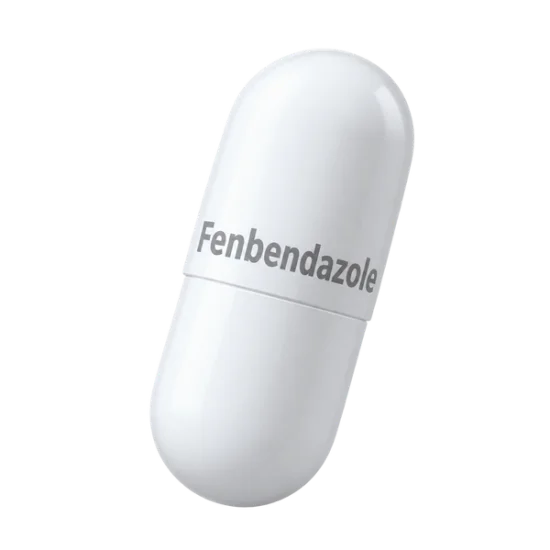
I used the capsules for my older dog after a fecal test identified susceptible intestinal worms. His appetite and stool quality improved over the following weeks, and the administration routine was straightforward.
Fenbendazole
Fenbendazole is a benzimidazole anthelmintic used in veterinary parasite-control programmes for animals. Its active substance interferes with parasite energy metabolism, helping eliminate susceptible gastrointestinal worms. The capsule form is intended for animal treatment under a veterinary dosing plan.
Overview
Fenbendazole is a benzimidazole anthelmintic used in veterinary parasite-control programmes for animals. Its active substance interferes with parasite energy metabolism, helping eliminate susceptible gastrointestinal worms. The capsule form is intended for animal treatment under a veterinary dosing plan.
Dosage and administration
- Dose: The amount in mg per capsule and the number of capsules to administer are determined by the animal species, weight, parasite type, and treatment purpose under a veterinary dosing plan.
- Frequency: How often to give the capsules, including the number of times per day, is determined by a veterinarian; no universal frequency is established here.
- Timing: The timing in relation to meals and the time of day are selected according to the veterinary treatment plan.
- Duration: The length of treatment depends on the target parasite, animal species, and regional approval and is set by a veterinarian.
- Route: Administer the capsules orally. Do not open, crush, mix with food, or divide them unless a veterinary professional confirms that this is suitable for the specific product and animal.
- Missed dose: Do not give extra capsules to compensate for a missed dose; obtain product-specific veterinary instructions.
Formulation
Fenbendazole belongs to the benzimidazole class of anthelmintics. The active substance acts against susceptible parasitic worms by interfering with cellular structures and nutrient use inside the parasite. This action can deprive the organism of usable energy and lead to its elimination from the animal’s intestinal tract.
Fenbendazole capsules are intended for veterinary use. The appropriate amount and treatment interval depend on the animal species, body weight, parasite involved, treatment objective, and local resistance pattern. A veterinarian or pharmacist should establish the dosing plan before administration.
Fenbendazole is not interchangeable with human antiparasitic treatment. Veterinary dosing decisions require species-specific information because metabolism, safety margins, and approved uses differ between animals.
How it affects the body
Fenbendazole interferes with tubulin-related processes in susceptible helminths. These processes are needed for cellular structure, nutrient absorption, and normal energy use. When the parasite cannot maintain these functions, its energy metabolism fails and the organism eventually dies or is expelled.
The drug belongs to the same broad pharmacological family as other benzimidazole anthelmintics, but activity depends on the parasite species and its susceptibility. A treatment that works against one worm population may perform poorly against another population with established resistance.
Cellular energy disruption
Parasitic worms depend on intestinal nutrients and tightly regulated cellular transport. Fenbendazole disrupts microtubule formation and reduces the parasite’s ability to use available nutrients. The resulting depletion of energy reserves weakens the worm and can lead to death.
The effect is not identical across every parasite stage. Adult worms, larvae, and eggs may show different susceptibility. The Veterinary Parasitology literature describes benzimidazole resistance as a major factor affecting treatment success, especially in populations exposed repeatedly to the same drug class [1].
Clinical improvement can also lag behind the biological effect. Reduced worm activity may occur before appetite, stool quality, coat condition, or body weight visibly improve.
Therapeutic indications
Fenbendazole-sensitive parasites can include selected gastrointestinal nematodes, depending on the animal species and regional approval. Examples discussed in veterinary parasitology include pinworms, Strongyloides species, and Trichostrongylus species. Parascaris equorum is relevant in equine parasite control, while large strongyles and cestodes require separate assessment because benzimidazole activity is not uniform across all parasite groups.
The relevant target depends on the host animal.
| Parasite group | Clinical consideration | Fenbendazole relevance |
|---|---|---|
| Gastrointestinal nematodes | Includes several roundworm species | Activity depends on species and resistance |
| Strongyloides species | More common in selected young or vulnerable animals | Treatment requires species-specific veterinary guidance |
| Cestodes | Tapeworms have different biology from nematodes | A different active ingredient may be required |
Fenbendazole should not be selected solely because worms are suspected. A fecal examination, clinical assessment, previous treatment history, and local parasite prevalence can help identify the most suitable approach.
Common mistakes
Animal owners commonly make administration errors that reduce treatment success:
- estimating weight by eye instead of using a scale or reliable weight tape;
- repeating a treatment because stool still looks abnormal after one day;
- using a dose intended for another species;
- combining fenbendazole with another wormer without veterinary direction;
- treating every animal on a fixed calendar despite low parasite risk;
- failing to record the date and product used;
- assuming visible improvement proves complete parasite clearance;
- ignoring reinfection from contaminated bedding, pasture, litter, or shared environments.
One less obvious mistake is changing the diet dramatically during treatment. Sudden food changes can cause diarrhoea and make it difficult to judge whether signs arise from the parasite, the medicine, or the diet.
Another is treating the animal while ignoring other animals in the same environment. The veterinary plan may include hygiene, pasture management, faecal monitoring, or examination of group members.
When not to use it
A veterinary assessment is needed before treatment when any of the following applies:
- the animal is under 18 weeks of age and the product’s species-specific directions do not support use;
- the animal is pregnant, breeding, nursing, elderly, or severely debilitated;
- there is known liver disease or a history of drug intolerance;
- the animal has persistent vomiting, bloody diarrhoea, collapse, or severe dehydration;
- a previous anthelmintic course failed;
- the suspected parasite is a cestode or another organism outside the expected activity range;
- the animal is receiving other medicines with potential hepatic or gastrointestinal effects.
Fenbendazole should not be used in humans based on veterinary dosing information. It should also not be given to a species for which the treatment has not been selected by a veterinary professional.
Withdrawal periods for food-producing animals depend on the specific product, species, route, and local regulatory requirements. Health Canada evaluates veterinary drug use and food-safety considerations through its veterinary drug regulatory framework [2].
When this is not for you
Fenbendazole is not suitable for every animal or every suspected parasite problem. Potential advantages include targeted treatment for susceptible parasites and an established veterinary option; drawbacks include resistance, species-specific restrictions, and the need for follow-up testing. NOT for you if you are considering human self-treatment or giving the product to an animal without veterinary guidance.
Possible side effects
Fenbendazole is commonly tolerated when used in the intended animal species and according to a veterinary plan. Possible adverse effects can include reduced appetite, vomiting, diarrhoea, salivation, or changes in stool consistency. These signs can also result from the parasite burden itself, dietary change, or another illness.
More serious concern is warranted when an animal develops marked weakness, repeated vomiting, severe diarrhoea, breathing difficulty, facial swelling, collapse, or neurological abnormalities. Such signs require prompt veterinary assessment.
Young, elderly, pregnant, debilitated, or severely parasitised animals may need closer observation. Heavy parasite death can sometimes aggravate gastrointestinal signs, especially when the animal already has intestinal inflammation or poor nutritional status.
One practical detail is easy to miss: a temporary change in stool after treatment does not prove that the treatment has failed. The animal may need follow-up testing rather than an immediate second course.
Comparison
Multi-ingredient anthelmintic treatment
Combination anthelmintic products may use different active ingredients to broaden parasite coverage. In veterinary medicine, ivermectin is a macrocyclic lactone that affects ligand-gated chloride channels in susceptible parasites. Praziquantel acts mainly against cestodes by disrupting calcium regulation and neuromuscular function.
These mechanisms differ from fenbendazole. A combination can therefore address parasite groups that respond differently to separate drug classes, but the presence of multiple active ingredients does not guarantee success against resistant worms.
Fenbendazole, ivermectin, and praziquantel should not be combined independently. Each product has its own approved species, concentration, dosing schedule, withdrawal requirements, and contraindications. Veterinary combination therapy should be selected as a complete regimen rather than assembled by mixing separate products.
Roles of the main drug classes
- Fenbendazole: benzimidazole anthelmintic used against susceptible nematodes and selected helminths.
- Ivermectin: macrocyclic lactone that affects parasite nerve and muscle signalling.
- Praziquantel: cestocidal agent used against susceptible tapeworms.
- Moxidectin: longer-acting macrocyclic lactone with a different persistence profile from fenbendazole.
A combination approach may be considered when diagnostic findings indicate more than one parasite group. It is less appropriate when treatment is based only on routine calendar dosing without evidence of need.
Comparative pharmacology of veterinary anthelmintics
Fenbendazole is a benzimidazole. Ivermectin and moxidectin belong to the macrocyclic lactone group. Praziquantel is pharmacologically distinct and is directed mainly at cestodes.
| Category | Fenbendazole | Macrocyclic lactones |
|---|---|---|
| Main class | Benzimidazole | Ivermectin or moxidectin group |
| Main action | Disrupts parasite tubulin and nutrient use | Alters parasite chloride-channel signalling |
| Main limitation | Resistance can reduce activity | Resistance and persistence vary by parasite |
Moxidectin and ivermectin may provide activity against parasite groups that are poorly controlled by fenbendazole. Their longer persistence can also increase selection pressure when parasites are repeatedly exposed. Fenbendazole may be preferable when a susceptible nematode population has been identified and a shorter benzimidazole-based approach is clinically appropriate.
The correct choice depends on parasite identification, age, species, pregnancy status, previous treatments, and local resistance data. A product from a different class is not automatically a better choice.

What doctors say
Veterinarians usually focus on three questions before selecting fenbendazole: which parasite is present, whether the parasite is susceptible, and whether the animal needs treatment now. A positive egg count does not always mean that the same drug should be repeated.
Clinical response is judged through more than stool appearance. Weight trend, appetite, hydration, body condition, anaemia risk, respiratory signs, and follow-up fecal testing may all matter. The European Medicines Agency has highlighted anthelmintic resistance and responsible use as central issues in veterinary parasite control [3].
A veterinarian may also decide that supportive treatment is needed. Dehydration, protein loss, intestinal damage, or anaemia can persist after the parasite burden falls. Fenbendazole addresses susceptible parasites; it does not repair every consequence of infection.
Comparison
Common questions
Do diet, exercise, or daily habits affect the result?
Nutrition, hydration, sanitation, and parasite exposure can influence recovery and reinfection risk. A balanced diet supports recovery, while sudden dietary changes may create gastrointestinal signs that complicate assessment. The Merck Veterinary Manual describes environmental management and targeted testing as important parts of parasite control, alongside anthelmintic treatment. These principles remain relevant in veterinary practice in 2026. Follow-up testing can help distinguish reinfection from treatment failure.
Can an animal drive, concentrate, or operate machinery after treatment?
The question applies mainly to working animals rather than household pets. Fenbendazole is not selected as a sedative, but an animal with active infection, diarrhoea, weakness, or abdominal discomfort may be unsafe to ride, drive, or use for demanding work. The Canadian Veterinary Medical Association recommends judging fitness from the animal’s clinical condition, not only from the medicine administered. In 2026, the practical restriction is the illness and recovery status rather than a presumed stimulant or sedative effect.
What should happen if the expected result does not appear?
Do not automatically repeat the capsules or switch products without assessment. Persistent signs may reflect resistance, reinfection, an incorrect parasite diagnosis, underdosing, or a non-parasitic illness. The American Association of Equine Practitioners’ 2020 guidance supports fecal monitoring and treatment evaluation when parasite control appears unsuccessful. A veterinarian can determine whether a fecal egg count reduction test or another diagnostic step is appropriate.
Can Fenbendazole cause diarrhoea?
Loose stool can occur during treatment, although diarrhoea may also arise from the underlying infection, food, stress, or another disease. Mild, short-lived changes should be monitored, while severe, bloody, persistent, or dehydrating diarrhoea needs veterinary assessment. The FDA Center for Veterinary Medicine evaluates adverse-event information as part of veterinary drug safety monitoring. In 2026, the safest response to marked gastrointestinal deterioration is clinical assessment rather than an unsupervised repeat dose.
Is Fenbendazole suitable for older animals?
Older animals may receive fenbendazole when the drug, species, parasite, and health status support its use. Age-related liver or kidney disease, low body condition, dehydration, and multiple medicines can alter the treatment decision. The Merck Veterinary Manual recommends assessing underlying illness and nutritional status when treating parasites in vulnerable animals. A veterinary review in 2026 can help determine whether closer monitoring is needed. Older animals may also need closer observation and follow-up after treatment.
Which condition rules Fenbendazole out?
Severe unexplained vomiting, bloody diarrhoea, collapse, dehydration, or a known serious intolerance should rule out unsupervised administration. Pregnancy, lactation, liver disease, and use in an unapproved species also require a veterinary decision before treatment. Health Canada’s 2024 veterinary drug framework treats species, indication, and product directions as central safety factors. Fenbendazole is not an appropriate self-treatment for a human illness.
Can Fenbendazole be used in animals under 18?
Use in animals under 18 weeks depends on the species, product authorization, body weight, parasite, and clinical condition. Young animals can deteriorate quickly from dehydration, anaemia, or a heavy parasite burden, so treatment should follow a veterinary examination. The European Medicines Agency’s 2018 evaluation of veterinary medicines addressed target species and age-related safety. A capsule should not be given to a young animal solely because an adult animal received it successfully.
Do you offer anonymous delivery?
Your order will be securely packed and shipped within 24 hours. This is exactly what your package will look like (images of an actual item sent). It has the size and look of a regular private letter (24x11x0.7 cm) and its contents cannot be seen.
Customer Feedback on Fenbendazole
I expected a quick change after starting treatment, but the improvement was slower than I thought. My dog had softer stools for a short time, so I kept notes and arranged follow-up testing rather than giving an extra dose.
The first course did not produce the result I expected. The veterinarian found that reinfection was more likely than simple treatment failure, so we changed the management plan and paid more attention to the shared yard.
The capsules fitted into a treatment plan for my cat’s confirmed intestinal parasites. The main benefit was having a clearly scheduled course, and his appetite returned gradually after treatment.
My horse’s parasite programme used testing rather than routine monthly dosing. Fenbendazole was selected for a susceptible target, and the follow-up result gave us more confidence than judging the manure alone.
Sources
- Veterinary Parasitology (2012). An inconvenient truth: Global worming and anthelmintic resistance.
- Health Canada (2024). Veterinary Drugs Directorate: Veterinary drugs and food-producing animals.
- European Medicines Agency (2018). Reflection paper on anthelmintic resistance in veterinary medicines.