Skip to content
Save up to 80%
Lanoxin
Active ingredient: Digoxin

Lanoxin

Quality products
24/7 Support
Fast delivery
Delivery from 4 days
Select pack Package Per unit Price

Free delivery on orders from $ 296.00, free express delivery from $ 444.00

Secure Payments
Track your order
Best price guarantee

Lanoxin is intended for selected people with heart failure or supraventricular arrhythmias. Its active ingredient, digoxin, can help the heart pump more effectively and limit rapid electrical signals reaching the ventricles.

Overview

Lanoxin contains digoxin, a cardiac glycoside used for selected cases of heart failure and supraventricular arrhythmias. It may strengthen cardiac contraction and slow electrical conduction through the atrioventricular node. Careful prescribing is essential because digoxin has a narrow therapeutic range.

Dosage and administration

The amount per intake is set individually. Lanoxin is taken orally, or PO, as prescribed, with the timing kept as consistent as possible.

  • A rapid digitalizing, or loading-dose, regimen may be used in selected situations.
  • A loading dose is followed by a maintenance dose when the prescriber considers ongoing treatment appropriate.
  • The regimen is adjusted according to clinical response, heart rate, kidney function, adverse effects, and toxicity risk.
  • Never select an Adult Dose for Atrial Fibrillation from the tablet strength alone.
  • Do not double the next dose after forgetting one.
  • If the next dose is unclear, obtain specific instructions from the prescribing team before taking extra digoxin.

A maintenance dose may be reviewed after changes in kidney function, body weight, interacting medicines, illness, or electrolyte levels. Some clinical protocols reassess the regimen at intervals such as two weeks, but timing depends on the person’s condition and treatment response.

Loading Dose and Maintenance Dose

A loading dose aims to establish digoxin exposure more quickly. It is not required for every person and may be unsuitable when toxicity risk is high, kidney function is reduced, or the patient has already received digoxin.

A maintenance dose provides ongoing treatment after the initial regimen. The dose may need adjustment when kidney clearance changes because digoxin leaves the body mainly through the kidneys.

Write down the time of the last Lanoxin dose before a blood test. A sample taken too soon after a dose can mislead interpretation of serum digoxin levels.

Serum Digoxin Monitoring

Digoxin levels in blood are interpreted together with symptoms, pulse, kidney function, potassium, magnesium, and the timing of the last dose. A number by itself does not establish toxicity or prove that the dose is suitable.

The target concentration depends on the indication and clinical context. A level that appears acceptable in one patient may still be unsafe in another with kidney impairment, dehydration, or a slow heart rate.

Formulation

Digoxin does not treat every irregular heartbeat. A prescriber selects it when its effects on cardiac contraction and atrioventricular conduction match the clinical goal.

Active Ingredient and Pharmacological Class

The active ingredient is digoxin. Cardiac glycosides influence the sodium-potassium pump in heart muscle cells, increasing intracellular calcium and strengthening contraction. They also increase vagal activity, which slows conduction through the atrioventricular node.[1]

Lanoxin requires individual dosing. The amount per intake is selected for each person rather than being one fixed number for all adults.

Mechanism of Action of Digoxin

Digoxin has two main cardiovascular effects:

  • It increases the force of contraction of the heart.
  • It slows electrical signals passing through the atrioventricular node.

In simple terms, it can help the heart pump with more force while limiting how many rapid atrial impulses reach the ventricles. This can support rate control in atrial fibrillation or atrial flutter. It does not reliably convert those rhythms back to normal sinus rhythm.

Keep Lanoxin at the same dosing time each day unless the prescriber changes the schedule. A consistent routine makes missed doses easier to identify and helps interpret blood-test timing.

How it affects the body

Cardiac glycosides influence the sodium-potassium pump in heart muscle cells, increasing intracellular calcium and strengthening contraction. Digoxin also increases vagal activity, which slows conduction through the atrioventricular node.[1] It can limit how many rapid atrial impulses reach the ventricles and support rate control in atrial fibrillation or atrial flutter.

Therapeutic indications

Lanoxin Tablets are used for selected patients with heart failure and supraventricular arrhythmias. These include atrial fibrillation and atrial flutter, where slowing atrioventricular conduction may reduce the ventricular rate.

The treatment objective differs by condition:

Clinical situation Treatment objective Limitation
Selected heart failure Support cardiac contraction and reduce symptoms in an appropriate regimen Does not cure the underlying heart disease
Atrial fibrillation Help control the ventricular rate Does not necessarily restore normal rhythm
Atrial flutter Slow conduction to the ventricles Does not remove the atrial flutter itself

Digoxin may be considered when rate control is needed, including situations where other rate-control approaches are unsuitable or insufficient. The Canadian Cardiovascular Society and European Medicines Agency describe digoxin as a treatment requiring clinical selection rather than routine use for every patient with heart failure or an irregular rhythm.[2]

Chest pain, fainting, severe shortness of breath, or collapse require immediate medical attention. Lanoxin is not an emergency treatment for those symptoms.

Common mistakes

Several practical errors can lead to poor outcomes:

  • Taking two doses after forgetting one.
  • Changing the dosing time repeatedly.
  • Using a tablet strength as a substitute for a personalised dose calculation.
  • Replacing tablets with liquid by guessing the volume.
  • Ignoring vomiting or diarrhea.
  • Failing to mention over-the-counter medicines or supplements.
  • Starting or stopping spironolactone without reporting the change.
  • Treating a new slow pulse as proof that the medicine is working.
  • Assuming a blood digoxin level is meaningful without recording the dose and blood-draw times.
  • Restarting the previous dose after hospital discharge without confirming the updated regimen.

One small detail has large value: keep a written record of missed doses, vomiting, diarrhea, and recent medicine changes. These details help clinicians interpret symptoms and laboratory results more accurately.

When not to use it

A prescriber should assess:

  • Clinically significant bradycardia.
  • Certain atrioventricular or sinoatrial conduction disorders.
  • Kidney disease or changing renal function.
  • Low potassium or magnesium.
  • High calcium levels.
  • A history of digoxin toxicity.
  • Suspected ventricular arrhythmias.
  • Recent hospitalisation or a major change in cardiac status.

Some of these situations are absolute contraindications, while others require dose adjustment, an electrocardiogram, electrolyte correction, or closer monitoring. The distinction matters because stopping necessary cardiac treatment without a replacement plan can also create risk.

When this is not for you

Lanoxin is not suitable for you if you have a confirmed allergy to digoxin or one of the formulation ingredients, or if you have previously had a serious reaction attributed to digoxin.

Possible side effects

Lanoxin Tablet can cause nausea, vomiting, diarrhea, dizziness, and visual disturbances. Gastrointestinal symptoms may be mild, but persistent vomiting or diarrhea can also cause dehydration and electrolyte changes that increase digoxin toxicity risk.

Possible effect Clinical meaning Action
Nausea, vomiting, diarrhea Recognised adverse effects; persistent symptoms may increase toxicity risk Contact the prescribing team promptly if symptoms continue
Dizziness or weakness May reflect intolerance, low heart rate, blood-pressure changes, or toxicity Avoid driving until the cause is clear
Blurred or yellow-tinted vision, confusion, fainting, severe palpitations Possible warning signs of digoxin toxicity or a dangerous rhythm Seek urgent medical assessment

A new visual change should not be dismissed as an ordinary nuisance effect. Yellow-tinted vision, halos, confusion, marked weakness, or fainting are clinically significant.

Vomiting or diarrhea can make digoxin riskier even when the Lanoxin dose has not changed. Dehydration and low potassium can reduce the margin between a helpful dose and a toxic exposure.

Digoxin may also produce slow or irregular heartbeats. Any new fainting episode, severe palpitations, or pronounced weakness warrants urgent assessment.

Comparison

Lanoxin is an oral, single-ingredient digoxin treatment that may strengthen cardiac contraction and slow atrioventricular conduction, supporting selected heart failure or ventricular-rate control without necessarily restoring normal rhythm.

What doctors say

A clinician generally sets expectations early: Lanoxin may improve rate control or support symptoms in a selected cardiac condition, but it does not remove the underlying cause of heart failure or atrial fibrillation.

Doctors also tend to prioritise consistency over self-adjustment. A patient who feels better should not increase the dose, and a patient who feels tired should not stop suddenly without a plan. Dose decisions depend on the rhythm, kidney clearance, laboratory findings, and symptoms together.

The most useful safety habit is to report a new illness promptly. Dehydration from vomiting or diarrhea can raise risk even when the prescription has stayed unchanged. A new visual disturbance may signal toxicity rather than an ordinary side effect.

Comparison

Comparison table: Heart Failure

Common questions

What should be done after a missed Lanoxin dose?

Health Canada’s digoxin information, reviewed in 2025, supports avoiding a double dose after an omission. The next step depends on when the missed dose is noticed and when the following dose is due. If the timing is unclear, contact the prescribing team before taking extra digoxin, especially when kidney function is reduced.

Is Lanoxin suitable for older adults?

The EMA product information current in 2025 describes older age as a reason for careful dose selection because kidney function and body composition may change with age. Older adults may also take several medicines that affect heart rate, electrolytes, or digoxin exposure. Regular review of renal function, symptoms, and the medication list is often needed.

Can alcohol be used while taking Lanoxin?

Health Canada guidance available in 2025 does not establish alcohol as a simple, universal interaction with digoxin. Alcohol can still worsen dizziness, dehydration, vomiting, or poor judgment about dosing, which may increase practical safety risks. Avoid alcohol if it causes these symptoms or if the prescriber has advised against it for the underlying heart condition.

Can Lanoxin be combined with other heart medicines or supplements?

The EMA digoxin product information from 2025 identifies interaction concerns involving medicines such as quinidine, selected calcium channel blockers, spironolactone, and lithium. Other medicines and supplements may affect kidney function, potassium, magnesium, heart rate, or digoxin testing. Provide the full medication list before Lanoxin is started or changed.

What should be discussed with a doctor before starting Lanoxin?

Health Canada’s 2025 product information supports reviewing the cardiac diagnosis, kidney function, electrolytes, pulse, previous digoxin exposure, and all current medicines. Mention any history of slow heartbeat, conduction problems, fainting, kidney disease, or suspected digoxin toxicity. Record the planned dose and the circumstances that should trigger urgent assessment.

Is Lanoxin suitable during pregnancy or breastfeeding?

The EMA information available in 2025 recommends an individual risk-benefit assessment for digoxin during pregnancy and lactation. The assessment considers maternal cardiac status, dose, kidney function, and fetal or infant factors. Tell the prescriber about planned pregnancy, pregnancy, or breastfeeding before starting, stopping, or changing Lanoxin.

Do you offer anonymous delivery?

Your order will be securely packed and shipped within 24 hours. This is exactly what your package will look like (images of an actual item sent). It has the size and look of a regular private letter (24x11x0.7 cm) and its contents cannot be seen.

Lanoxin Forms and Strengths

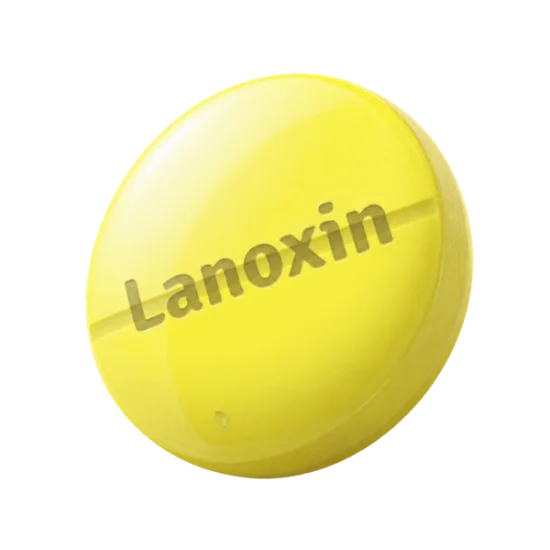
Lanoxin on this product page is supplied as pills in tablet form. Clinical references also describe oral liquid formulations and injectable digoxin, but these forms are not interchangeable by volume, tablet count, or route.

Strength selection depends on age, body size, kidney function, indication, heart rate, electrolyte results, and response. A tablet strength alone cannot determine a safe personal dose.

Oral Tablet and Liquid Formulations

Paediatric dosing requires special calculation. Weight, kidney function, age, and the child’s cardiac condition all affect the regimen. Do not replace a tablet with a liquid volume without a prescriber’s exact instruction.

Injectable Digoxin Formulations

Lanoxin ampoules and IV digoxin are clinical formulations administered by healthcare professionals. Intravenous use requires a review of previous cardiac glycoside exposure, the patient’s rhythm, kidney function, and electrolyte results.

IV digoxin can only be given safely after clinicians establish whether the patient has already received cardiac glycosides. This check helps prevent accidental accumulation.

Lanoxin Toxicity and Digitalis Toxicity

Digoxin toxicity, also called Digitalis toxicity, can affect the digestive system, nervous system, vision, and heart rhythm. Symptoms may begin with poor appetite, nausea, vomiting, diarrhea, tiredness, dizziness, or confusion. Cardiac effects can include bradycardia, conduction abnormalities, or dangerous arrhythmias. Clinical risk also rises when kidney function falls or electrolytes change. Prompt medical assessment is needed when toxicity is suspected.

Risk increases with:

  • Reduced kidney function.
  • Dehydration from vomiting, diarrhea, fever, or poor fluid intake.
  • Low potassium or magnesium.
  • Accidental duplicate dosing.
  • Starting or stopping interacting medicines.
  • A dose that is too high for current age, body size, or renal function.

Do not induce vomiting after a suspected overdose. Do not take an extra dose to compensate for symptoms or a dosing error. Repeated vomiting, fainting, severe palpitations, confusion, collapse, or suspected overdose require urgent medical help.

Hospital treatment may include cardiac monitoring, repeat electrolyte testing, correction of potassium or magnesium abnormalities, and specialist therapy for severe toxicity. Health Canada information describes the need for prompt clinical assessment when digoxin toxicity is suspected.[3]

Customer Feedback on Lanoxin

3.5
Based on 5 reviews
Stuart M., 31 Saskatoon Several weeks
Verified
Rating: 4.5 out of 5

I took Lanoxin tablets for several weeks as part of my heart treatment. My pulse became steadier, and climbing the stairs at home felt easier. The improvement was gradual, but I was satisfied with the change.

Oct 10, 2026
Andrew, 28 Calgary
Verified
Rating: 4 out of 5

After starting Lanoxin, I noticed less awareness of my racing heartbeat during normal daily activities. I kept the tablets beside my morning water and rarely missed the same dosing time. It made my routine feel more manageable.

Oct 20, 2026
Darren, 40 Kitchener
Verified
Rating: 1.5 out of 5

Lanoxin did not improve how I felt. I became nauseated and unusually tired, so I stopped taking further doses and contacted my doctor. The treatment was not suitable for me.

Oct 23, 2026
Graham, 39 Montreal
Verified
Rating: 3.5 out of 5

My heart rate settled somewhat after starting Lanoxin, but the benefit took longer than I expected. I also had occasional dizziness, which made driving uncomfortable. My doctor reviewed the dose and arranged blood testing.

Nov 2, 2026
Kevin, 39 Vancouver
Verified
Rating: 4 out of 5

I had fewer episodes of a fast, uncomfortable heartbeat after using Lanoxin as prescribed. Keeping a note of the dose time helped when I went for blood work. The treatment became easier once the schedule was part of my daily routine.

Nov 8, 2026

Sources

  1. Health Canada (2025). Product Monograph — Lanoxin (digoxin).
  2. European Medicines Agency (2024). Summary of Product Characteristics — Digoxin.
  3. World Health Organization (2021). WHO Model Formulary 2021.
Get our free app Shop faster and track your orders 4.0 · 269 reviews Install