The biggest change was staying awake through the afternoon without fighting sleep at my desk. I could finish reading and still follow a conversation after lunch. It took a little time to notice the benefit, but the improvement felt practical rather than overstimulating.
Modvigil tablets are taken by mouth, usually in the morning or before a planned work shift. They contain modafinil, a wakefulness-promoting agent prescribed for excessive daytime sleepiness linked to narcolepsy, obstructive sleep apnoea, or shift-work sleep disorder.
Overview
Modvigil contains modafinil, a wakefulness-promoting medicine supplied as oral tablets. Modafinil acts on brain pathways involved in alertness and attention. It is prescribed for adults whose daytime sleepiness results from a diagnosed sleep disorder rather than ordinary tiredness after a short night.
The medicine supports wakefulness. It does not correct airway obstruction in obstructive sleep apnoea, replace regular sleep, or remove the underlying cause of narcolepsy.
Modafinil has a pharmacological profile distinct from amphetamine-based stimulants and methylphenidate. It is not an energy product or a nootropic supplement. Health Canada regulates modafinil as a prescription medicine, and prescribing decisions depend on the diagnosis, sleep pattern, other medicines, and cardiovascular history. The National Institute for Health and Care Excellence (NICE) also publishes guidance relevant to sleep-disorder assessment.
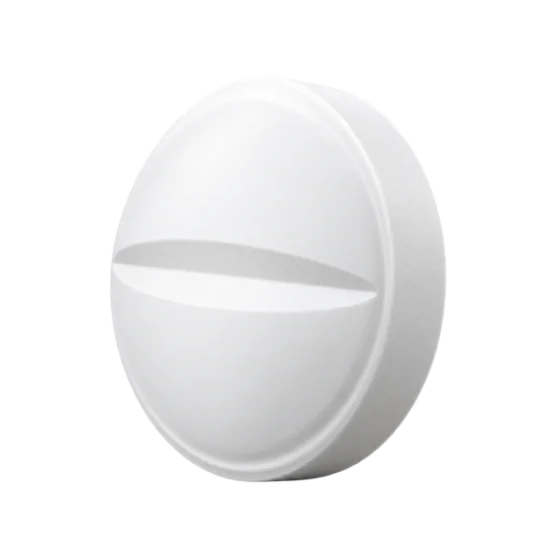
The tablet may have a score line. A score line does not automatically mean that every tablet can be divided into equal doses. Splitting should follow the prescribed instructions.
Dosage and administration
The amount and frequency depend on the purpose of use and are agreed with a doctor or pharmacist. Modvigil is taken orally as tablets, with or without food, at the prescribed time.
Typical clinical practice places the dose as follows:
- Narcolepsy or sleepiness related to obstructive sleep apnoea: usually in the morning.
- Shift-work sleep disorder: usually before the work shift, with timing adjusted to the person’s sleep schedule.
- Missed dose: take it when remembered only if enough time remains before planned sleep; skip it if taking it late would probably cause insomnia.
- Do not double the next dose after a missed tablet.
- Do not change the dose to compensate for inadequate sleep, a demanding workday, or a long drive.
- Swallow the tablet with water. Do not crush or alter it unless the prescriber has given specific instructions.
Modafinil is prescription-only in many jurisdictions, including Canada. A prescriber normally reviews the sleep diagnosis, blood pressure, heart rhythm, psychiatric history, pregnancy potential, and interacting medicines before treatment begins.
Formulation
Modvigil contains modafinil, a wakefulness-promoting medicine supplied as oral tablets. Modafinil acts on brain pathways involved in alertness and attention. It is prescribed for adults whose daytime sleepiness results from a diagnosed sleep disorder rather than ordinary tiredness after a short night.
The medicine supports wakefulness. It does not correct airway obstruction in obstructive sleep apnoea, replace regular sleep, or remove the underlying cause of narcolepsy.
Modafinil has a pharmacological profile distinct from amphetamine-based stimulants and methylphenidate. It is not an energy product or a nootropic supplement. Health Canada regulates modafinil as a prescription medicine, and prescribing decisions depend on the diagnosis, sleep pattern, other medicines, and cardiovascular history. The National Institute for Health and Care Excellence (NICE) also publishes guidance relevant to sleep-disorder assessment.
The tablet may have a score line. A score line does not automatically mean that every tablet can be divided into equal doses. Splitting should follow the prescribed instructions.
How it affects the body
Modafinil promotes wakefulness through several brain systems rather than one simple stimulant pathway. Research links its effects to increased activity in dopaminergic, noradrenergic, histaminergic, and orexin-related networks. These systems help regulate alertness, attention, and the sleep–wake cycle.
The exact clinical mechanism remains more complex than a single receptor action. Modafinil inhibits the dopamine transporter, which raises extracellular dopamine in selected brain regions. Its effects on norepinephrine, histamine, glutamate, and orexin pathways also contribute to sustained alertness.
This profile explains why Modvigil can improve wakefulness without functioning as a conventional amphetamine preparation. It can still cause insomnia, anxiety, headache, increased heart rate, or blood-pressure changes in some people.
Therapeutic indications
Conditions treated with Modvigil
Modafinil is used for excessive daytime sleepiness associated with:
- Narcolepsy, including narcolepsy with or without cataplexy.
- Obstructive sleep apnoea when clinically appropriate treatment for the airway disorder is already being used or considered.
- Shift-work sleep disorder involving sleepiness during a work period scheduled at night or very early in the morning.
The medicine improves alertness during the period when sleepiness is most problematic. It does not cure narcolepsy, reopen an obstructed airway, or reset a disrupted work schedule.
A person with obstructive sleep apnoea still needs treatment directed at the breathing problem. Modvigil should not be viewed as permission to stop continuous positive airway pressure or another prescribed airway treatment.
The European Medicines Agency restricted the approved use of modafinil-containing medicines to specific sleep-related conditions after reviewing psychiatric, cardiovascular, skin, and reproductive safety concerns [1].
Common mistakes
- Taking the tablet after midday when the intended schedule is morning dosing.
- Using Modvigil to stay awake after deliberately missing sleep.
- Doubling a dose after a missed tablet.
- Stopping airway therapy because daytime sleepiness improves.
- Assuming that alertness means driving ability is automatically restored.
- Forgetting to mention hormonal contraception before starting treatment.
- Treating a new rash with antihistamines while continuing tablets.
- Adding caffeine, decongestants, or other stimulating substances when insomnia or palpitations have already appeared.
- Sharing tablets with another person who reports daytime sleepiness.
- Stopping suddenly without telling the prescriber when the underlying sleep disorder remains active.
One easily missed detail is the contraceptive interaction. A person may feel well on modafinil while contraception becomes less reliable, so this issue needs attention before the first dose.
Another is the difference between symptom relief and disease treatment. A patient with obstructive sleep apnoea can feel more awake while the nightly oxygen and breathing problem remain untreated.
When not to use it
- Previous serious allergy or hypersensitivity to modafinil or a related medicine.
- A previous severe skin reaction associated with modafinil.
- Uncontrolled hypertension or significant heart disease.
- A history of mania, psychosis, severe depression, or suicidal thinking without psychiatric review.
- Pregnancy or plans to become pregnant, unless a specialist determines that treatment is justified.
- Breastfeeding without a clear plan, because modafinil passes into breast milk and infant effects are uncertain.
- Use of hormonal contraception without a replacement or backup strategy.
- Severe liver impairment, where dose adjustment and closer monitoring may be required.
- Use of monoamine oxidase inhibitors or other medicines that can create a clinically important interaction.
Modafinil can affect liver enzymes and alter concentrations of other medicines. It may reduce exposure to hormonal contraceptives and can interact with some antiseizure medicines, anticoagulants, antidepressants, antipsychotics, sedatives, and medicines metabolised through CYP3A4.
Tell the prescriber about alcohol use, recreational substances, sleep medicines, antidepressants, contraceptives, and herbal products. Combining Modvigil with other substances that affect alertness can make it difficult to judge impairment.
The FDA prescribing information describes serious dermatological, psychiatric, cardiovascular, and hypersensitivity warnings that require patient selection and follow-up [2].
When this is not for you
Modvigil is not suitable for everyone. It is NOT for you if you plan to use it for ordinary tiredness, studying, or deliberate sleep restriction, or if a clinician has not assessed your sleepiness.
Possible side effects
The most frequently reported adverse effects of modafinil include headache, nausea, nervousness, anxiety, dry mouth, reduced appetite, dizziness, and insomnia. These effects may be more noticeable when treatment starts or when the dose is taken too late.
Headache is often manageable with hydration, regular meals, and review of the dosing schedule. Persistent or severe headache needs assessment, especially when it occurs with visual changes, chest discomfort, weakness, confusion, or a marked blood-pressure rise.
Sleep disruption can become a cycle. A late tablet delays sleep, reduced sleep increases the next day’s fatigue, and the person may then be tempted to take more medicine. Increasing the dose without medical direction can worsen the pattern.
Modafinil can also cause psychiatric symptoms, including agitation, mania, hallucinations, depression, suicidal thoughts, or unusual aggression. Anyone developing these symptoms needs prompt medical assessment and should not take another dose until the prescriber gives clear instructions.
A rare but serious risk is a severe skin reaction. Stop taking Modvigil and seek urgent medical care for a widespread rash, blistering, peeling skin, mouth sores, facial swelling, fever, or difficulty breathing. Severe reactions can begin with symptoms that resemble an ordinary rash, so rapid progression matters.
Some people notice appetite reduction and unintentionally eat less during a demanding shift. A planned meal before work and a prepared snack can prevent headache and light-headedness caused by missed food, though these steps do not treat a medicine-related adverse reaction.
Modafinil may reduce the reliability of hormonal contraception. This interaction can continue after the last tablet because enzyme effects may persist. People using combined oral contraception, progestogen-only pills, implants, injections, hormonal rings, or emergency contraception need a specific contraceptive plan from a prescriber.

Comparison
Different wakefulness medicines have different mechanisms, risks, and roles in sleep medicine.
| Treatment approach | Main role | Practical limitation |
|---|---|---|
| Modafinil | Promotes wakefulness in narcolepsy, obstructive sleep apnoea-related sleepiness, and shift-work sleep disorder | May cause headache, nausea, anxiety, or insomnia; interacts with hormonal contraception |
| Traditional stimulant therapy | Increases central nervous system stimulation through stronger catecholamine effects | Greater concern for appetite loss, cardiovascular effects, misuse, and sleep disruption in some patients |
| Sleep-disorder treatment without a wakefulness medicine | Addresses the cause, such as airway obstruction or an irregular sleep schedule | Daytime alertness may remain poor while the underlying treatment is being adjusted |
Modafinil may be selected when a patient needs wakefulness support during the day and the prescriber wants a pharmacological profile different from traditional stimulants. It still requires monitoring.
The choice changes when the main problem is untreated obstructive sleep apnoea, severe insomnia, uncontrolled hypertension, mood instability, liver impairment, or use of medicines that affect modafinil metabolism. A wakefulness tablet cannot compensate for an untreated breathing disorder or a chronically inadequate sleep window.
What doctors say
Sleep physicians generally frame modafinil as a symptom-control medicine. It can reduce excessive sleepiness, but it does not repair fragmented sleep, remove upper-airway obstruction, or eliminate the neurological basis of narcolepsy.
A clinician will usually look for a measurable treatment goal, such as fewer unplanned sleep episodes, improved ability to remain awake at work, or better functioning during a scheduled shift. The goal is not to create an unusually high level of energy.
Doctors also examine sleep duration. A person sleeping four or five hours because of work, childcare, pain, or late-night screen use may remain tired even when modafinil improves alertness temporarily. The underlying sleep restriction still needs attention.
Modafinil is not a substitute for driving assessment. Feeling awake does not prove that reaction time, judgement, or visual attention are normal. The Canadian product information for modafinil advises caution with activities requiring mental alertness until the individual response is known [3].
A practical prescribing review includes blood pressure, pulse, anxiety, mood, sleep timing, contraception, and new skin symptoms. These checks are more useful than judging treatment by a single energetic day.
Comparison
Common questions
Can Modvigil be used for driving, concentration, or machinery work?
Modvigil may reduce excessive sleepiness, but it does not guarantee safe driving or reliable machinery operation. Health Canada advises people to understand their individual response before performing activities that require sustained alertness. The practical rule in 2026 remains simple: do not drive or operate machinery if you feel sleepy, dizzy, anxious, visually impaired, or mentally slowed. Modafinil should not be used to extend driving beyond normal sleep limits.
What is the best time of day to take Modvigil?
Morning dosing is commonly used for narcolepsy and sleepiness associated with obstructive sleep apnoea. People with shift-work sleep disorder may take it before the planned night shift, based on the prescribed schedule. The 2015 FDA label explains that timing should match the condition being treated while limiting interference with nighttime sleep. Taking a tablet late in the day can produce insomnia even when the medicine improves daytime alertness. A consistent dosing schedule can help the prescriber assess both benefit and sleep disruption.
Can people under 18 use Modvigil?
Modafinil is not routinely used in children or adolescents without specialist supervision. The EMA review identified safety concerns involving psychiatric symptoms, skin reactions, and cardiovascular effects that matter when selecting patients. A person under 18 should only receive Modvigil when a qualified specialist has made a clear diagnosis and established a monitoring plan; this remains the 2026 standard for cautious use. Self-use for studying, examinations, gaming, or staying awake is inappropriate.
Which condition rules out Modvigil?
A previous serious allergic reaction or severe skin reaction to modafinil rules out further use unless a specialist establishes a different diagnosis and plan. The 2015 FDA prescribing information identifies serious rash, blistering, peeling, mucosal sores, and facial swelling as urgent warning signs. Uncontrolled hypertension, serious heart disease, active mania, psychosis, and pregnancy also require a prescriber’s decision before treatment. A new widespread rash after starting Modvigil requires urgent medical assessment rather than another dose.
Do you offer anonymous delivery?
Your order will be securely packed and shipped within 24 hours. This is exactly what your package will look like (images of an actual item sent). It has the size and look of a regular private letter (24x11x0.7 cm) and its contents cannot be seen.
Customer Feedback on Modvigil
It helped during the first part of my night shifts, although the benefit was slower than I expected. I had mild nausea on some days and found that taking it too late made sleep harder. I adjusted the timing with my doctor and kept the improvement, but it was not effortless.
I stopped nodding off during lectures and could stay focused long enough to complete assignments. The difference was clear by the second week. I still needed a regular sleep schedule, but the daytime heaviness was much easier to manage.
Sources
- European Medicines Agency (2010). Modafinil-containing medicinal products — referral
- U.S. Food and Drug Administration (2015). PROVIGIL (modafinil) tablets — prescribing information
- Health Canada (2019). Modafinil — Canadian product information