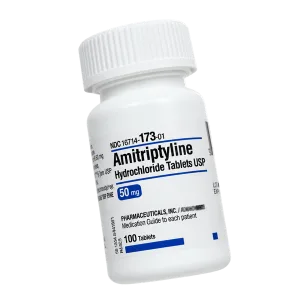
I used bupropion as prescribed and noticed that getting started in the morning became easier. My concentration at work improved, and I felt more engaged with normal routines. I was satisfied with the change.
Bupropion is an aminoketone antidepressant supplied as a sustained-release tablet containing bupropion hydrochloride. It is used in adults with major depressive disorder and may be selected when limited direct serotonin activity is preferred; the amount taken at each intake is set individually.
Overview
Bupropion is an aminoketone antidepressant supplied here as a sustained-release tablet containing bupropion hydrochloride. It is used in adults with major depressive disorder and may be selected when a clinician wants an antidepressant with limited direct serotonin activity. The United States Food and Drug Administration has approved bupropion formulations for depressive disorders and seasonal affective disorder, while Health Canada regulates bupropion products according to their authorised indications and monograph requirements [1].
Dosage and administration
Dosing principles for the sustained-release tablet
The amount taken at each intake is selected individually rather than being one fixed amount for every person. The sustained-release presentation is commonly started at a lower exposure and adjusted according to response, tolerability, indication, and other medicines.
Prescribing decisions account for:
- The diagnosis being treated.
- Previous antidepressant response.
- Liver and kidney function.
- History of seizures or conditions that lower seizure threshold.
- Other medicines that affect dopamine, norepinephrine, or seizure risk.
- Sleep, anxiety, blood pressure, and alcohol use.
Bupropion SR tablets are swallowed whole. Do not crush, chew, or split them unless the specific tablet design and prescriber instructions expressly allow it. Altering the tablet can release the medicine too quickly and may increase adverse effects or seizure risk.
If a dose is missed, the usual approach is to skip it and take the next scheduled dose. Doubling the next intake is unsafe because higher single exposures increase seizure risk.
Can the sustained-release tablet be split, crushed, or chewed?
A sustained-release bupropion tablet should be swallowed whole unless a prescriber confirms that the specific product can be divided. Crushing or chewing may release the dose too quickly and increase peak exposure. The FDA prescribing information from 2024 links altered-release administration with formulation-related safety concerns, including seizure risk. The tablet should be taken with water at the scheduled time.
Can Bupropion be taken with food or on an empty stomach?
Bupropion sustained-release tablets can generally be taken with or without food, provided the timing is consistent. Food may help a person who experiences nausea, although it does not remove the need to swallow the tablet whole. Health Canada information available in 2023 describes administration according to the prescribed schedule and formulation. A morning or early-afternoon schedule may be preferable when insomnia occurs.
Formulation
The product is a sustained-release tablet containing bupropion hydrochloride. Bupropion is an aminoketone antidepressant with limited direct serotonin activity.
How it affects the body
Bupropion primarily inhibits the reuptake of norepinephrine and dopamine in the central nervous system. These neurotransmitters remain available for signalling between nerve cells for longer, which may improve energy, concentration, motivation, and mood in some patients.
The action is often described as noradrenaline–dopamine reuptake inhibition, or NDRI. Dopamine is involved in reward, motivation, attention, and movement. Norepinephrine, also called noradrenaline, contributes to alertness, attention, stress responses, and mood regulation. Bupropion also reduces activation of neuronal nicotinic acetylcholine receptors, a property that helps explain its role in smoking cessation.
Metabolite activity and hydroxybupropion
The liver converts bupropion into active metabolites, including hydroxybupropion. Hydroxybupropion contributes to the clinical effect and remains in the body longer than the parent drug. This is one reason that consistent timing and avoidance of extra doses matter.
Bupropion differs from selective serotonin reuptake inhibitors, or SSRIs, which primarily increase serotonin signalling by blocking serotonin reuptake. Serotonin–norepinephrine reuptake inhibitors, or SNRIs, increase both serotonin and norepinephrine signalling. Bupropion has comparatively little direct serotonin reuptake activity.
The FDA prescribing information describes bupropion’s pharmacology, active metabolites, formulation-specific dosing, and seizure warning in detail [2].
Neurological basis for smoking cessation support
Nicotine stimulates nicotinic acetylcholine receptors and increases dopamine release in reward pathways. During withdrawal, reduced stimulation can cause irritability, restlessness, low mood, and strong cravings. Bupropion reduces the intensity of this reward-and-withdrawal cycle for some people.

Therapeutic indications
Bupropion may be prescribed for:
- Major depressive disorder, involving persistent low mood or loss of interest with associated cognitive, physical, or emotional symptoms.
- Seasonal affective disorder in formulations specifically authorised for that purpose.
- Smoking cessation as part of a structured quit plan, using a regimen intended for nicotine dependence rather than depression.
- Selected off-label psychiatric situations when a prescriber judges that its mechanism and tolerability profile suit the individual.
Bupropion does not treat every form of anxiety or every depressive presentation. Its activating properties can aggravate marked anxiety, agitation, or insomnia in some people.
Bupropion can support smoking cessation by reducing nicotine cravings and easing some withdrawal symptoms. Its effect is not based on replacing nicotine. Instead, it changes dopamine and norepinephrine signalling and modulates nicotinic acetylcholine receptors involved in nicotine reinforcement.
For smoking cessation, treatment is usually combined with a planned quit date, behavioural support, and monitoring of mood. The smoking-cessation regimen may differ from the regimen used for depression. A person should not switch between these purposes without a prescriber establishing the dose and timing.
Bupropion has also been considered in treatment-resistant depression, where a person has had an inadequate response or poor tolerability with previous antidepressants. It may be used alone or added to another antidepressant under specialist supervision.
Common mistakes
Several errors can reduce benefit or increase risk:
- Taking a missed dose together with the next dose.
- Crushing or chewing a sustained-release tablet.
- Taking a late dose and then attributing insomnia to the illness.
- Combining bupropion-containing products without recognising the duplicate ingredient.
- Stopping heavy alcohol use abruptly while starting treatment.
- Failing to mention corticosteroids, stimulants, antipsychotics, antidepressants, or weight-loss medicines.
- Treating bupropion as a rapid treatment for acute anxiety.
- Stopping treatment after a few days because the mood has not changed.
- Assuming a negative smoking-cessation result means the medicine cannot help with depression, or the reverse.
A false-positive amphetamine screen is another easy-to-miss detail. It does not prove misuse, but it can create avoidable confusion when confirmatory testing is not requested.
When not to use it
Bupropion is not suitable for everyone. This medication is not for you if you have any of the following:
- A current or previous seizure disorder.
- Bulimia nervosa or anorexia nervosa.
- Abrupt withdrawal from alcohol, benzodiazepines, barbiturates, or antiseizure medicines.
- Current use of a monoamine oxidase inhibitor, or use within the restricted interval specified by the prescriber.
- A previous serious allergic reaction to bupropion.
- Another medicine containing bupropion, unless a prescriber has deliberately designed the combined regimen.
Bupropion can interact with medicines that lower seizure threshold, including some antipsychotics, antidepressants, systemic corticosteroids, and certain quinolone antibiotics. It inhibits CYP2D6, a liver enzyme that metabolises several medicines. This can increase exposure to some antidepressants, antipsychotics, beta blockers, and antiarrhythmics.
Use during pregnancy and breastfeeding requires an individual risk assessment. Bupropion enters breast milk, and the infant’s clinical status may need monitoring if treatment continues during lactation.
Kidney or liver impairment can increase exposure to bupropion and its metabolites. Dose selection may therefore differ from the regimen used in adults with normal organ function.
The UK Medicines and Healthcare products Regulatory Agency describes formulation-specific warnings and contraindications for authorised bupropion products, including seizure-related restrictions [3].
When this is not for you
Bupropion is not for you if you have ever had a seizure, have bulimia nervosa or anorexia nervosa, or are stopping alcohol or certain sedatives suddenly. You should also avoid taking it with another bupropion-containing medicine unless your prescriber has specifically planned this. Tell your clinician about serious allergies, pregnancy or breastfeeding, kidney or liver problems, and all medicines that you take.
Possible side effects
Common adverse effects of bupropion include dry mouth, nausea, headache, restlessness, tremor, reduced appetite, and insomnia. Some people experience increased sweating or a temporary rise in anxiety. Side effects can be more noticeable during the first weeks or after a dose increase.
Bupropion can increase blood pressure. People with hypertension may require blood-pressure monitoring, especially when bupropion is combined with nicotine replacement products. The drug can also cause agitation or mood changes in susceptible individuals.
The most clinically serious concern is seizure risk. Risk increases with higher doses and with conditions or medicines that lower the seizure threshold. The sustained-release formulation reduces rapid exposure compared with immediate-release dosing, but it does not remove the seizure warning.
Urgent medical attention is required for a seizure, severe allergic reaction, fainting, severe confusion, or symptoms of mania such as unusually reduced need for sleep, racing thoughts, and risky behaviour.
One practical issue is urine drug testing. Bupropion has been reported to cause false-positive amphetamine results on some immunoassay screens. If employment, legal, or clinical testing is expected, the testing service should know that bupropion is being taken so confirmatory testing can be considered.
Comparison
Bupropion, SSRIs, and SNRIs can all be used in depressive disorders, but they influence different neurotransmitter systems. Sertraline and fluoxetine are SSRIs that primarily target serotonin. Venlafaxine is an SNRI that targets serotonin and norepinephrine, with stronger norepinephrine effects as the dose increases.
| Class | Main target and clinical trade-off |
|---|---|
| Bupropion | Dopamine and norepinephrine reuptake; may be activating, with seizure risk limiting use |
| SSRIs | Serotonin reuptake; useful for depression and many anxiety disorders, with sexual and gastrointestinal effects possible |
| SNRIs | Serotonin and norepinephrine reuptake; may help pain or low energy, with blood-pressure and withdrawal concerns |
Bupropion may be considered when sexual dysfunction, emotional blunting, fatigue, or weight-related concerns occur during SSRI treatment. It can also be added to an SSRI in selected cases. The trade-off is activation: anxiety, tremor, restlessness, headache, or insomnia may appear, especially after starting or increasing treatment.
SNRIs may be selected when depression coexists with neuropathic pain or other pain syndromes. They can raise blood pressure in some patients and may cause nausea or discontinuation symptoms if stopped abruptly. The best choice depends on diagnosis, previous response, comorbidities, and interaction risk.
Alternative antidepressant and anxiolytic pharmacotherapy
Escitalopram is an SSRI often chosen when anxiety symptoms accompany depression. Duloxetine is an SNRI with established roles in depression, anxiety, and several chronic pain conditions. Buspirone is an anxiolytic used for generalised anxiety and does not work through the same mechanism as bupropion.
These medicines are not interchangeable tablet-for-tablet. A prescriber may favour one option because of anxiety, insomnia, pain, sexual side effects, blood pressure, seizure risk, or a history of response.
What doctors say
In clinical practice, doctors usually assess sleep, anxiety, appetite, blood pressure, alcohol use, seizure history, and other medicines before choosing bupropion. The activating profile can be helpful for low energy, yet it can be uncomfortable for a person whose depression already includes panic, agitation, or severe insomnia.
A prescriber normally evaluates improvement across several domains rather than relying on mood alone. Concentration, morning functioning, work attendance, social engagement, appetite, sleep quality, and suicidal thinking all provide useful information.
Treatment response develops over time. Some changes, such as increased alertness or dry mouth, can appear early, while mood improvement may require sustained treatment. An early energy increase without better mood deserves prompt clinical review because it can accompany agitation or emerging mood instability.
Bupropion should not be stopped suddenly without a treatment plan. A clinician may adjust the schedule, change the formulation, or select another antidepressant if adverse effects outweigh benefit.
Comparison
Common questions
Can Bupropion be combined with other antidepressants or supplements?
Bupropion can be combined with selected antidepressants, but the combination requires individual prescribing. The FDA describes seizure risk, CYP2D6 inhibition, and blood-pressure considerations that affect combination choices. In 2023, Health Canada product information continued to identify monoamine oxidase inhibitors and medicines lowering seizure threshold as clinically relevant interaction concerns. St John’s wort, stimulants, and other activating supplements can also complicate treatment and should be disclosed. The prescriber should review the full medicine list before combining treatments.
Can the sustained-release tablet be split, crushed, or chewed?
A sustained-release bupropion tablet should be swallowed whole unless a prescriber confirms that the specific product can be divided. Crushing or chewing may release the dose too quickly and increase peak exposure. The FDA prescribing information from 2024 links altered-release administration with formulation-related safety concerns, including seizure risk. The tablet should be taken with water at the scheduled time.
How does Bupropion differ from an SSRI?
Bupropion primarily affects dopamine and norepinephrine reuptake, while SSRIs such as sertraline and fluoxetine primarily affect serotonin reuptake. The difference may make bupropion attractive when sexual dysfunction or fatigue occurs with an SSRI. It may be less suitable when prominent anxiety, agitation, insomnia, or seizure risk is present. A 2022 review indexed in PubMed described these class-level differences while also showing that individual antidepressant response varies.
Can Bupropion be taken with food or on an empty stomach?
Bupropion sustained-release tablets can generally be taken with or without food, provided the timing is consistent. Food may help a person who experiences nausea, although it does not remove the need to swallow the tablet whole. Health Canada information available in 2023 describes administration according to the prescribed schedule and formulation. A morning or early-afternoon schedule may be preferable when insomnia occurs.
Which condition rules out Bupropion?
A seizure disorder is a clear contraindication to bupropion. Bulimia nervosa and anorexia nervosa also rule it out because electrolyte disturbances and related factors increase seizure risk. The FDA label updated in 2024 also identifies abrupt withdrawal from alcohol, benzodiazepines, barbiturates, or antiseizure medicines as a contraindication. These restrictions apply even when the person has previously tolerated another antidepressant.
Do you offer anonymous delivery?
Your order will be securely packed and shipped within 24 hours. This is exactly what your package will look like (images of an actual item sent). It has the size and look of a regular private letter (24x11x0.7 cm) and its contents cannot be seen.
Customer Feedback on Bupropion
After taking the tablets consistently, I found it easier to stay focused through the afternoon and had more interest in activities I had been avoiding. The improvement was gradual rather than dramatic, but it was clear enough to make a difference in daily life.
Bupropion helped my energy somewhat, but the first part of treatment brought restlessness and poor sleep. I stopped after discussing it with my doctor because the benefit did not justify continuing those effects for me.
Sources
- Health Canada (2023). ZYBAN (bupropion hydrochloride) Product Monograph
- U.S. Food and Drug Administration (2024). WELLBUTRIN XL (bupropion hydrochloride) extended-release tablets, Prescribing Information
- Medicines and Healthcare products Regulatory Agency (2023). Zyban 150 mg prolonged-release tablets — Summary of Product Characteristics