He gradually felt more interested in normal activities. By the fourth week, morning routines and conversations felt easier, and he was satisfied with the improvement.
Celexa supports serotonin signalling in the brain and is used for adults with major depressive disorder. Its active substance, citalopram, belongs to the selective serotonin reuptake inhibitor class and is taken as an oral tablet on a regular schedule. Mood benefits develop gradually rather than after a single dose.
Overview
Celexa is the brand name associated with citalopram, an SSRI antidepressant. The active substance is citalopram hydrobromide, which belongs to the selective serotonin reuptake inhibitor group. Celexa tablets are prescribed mainly for major depressive disorder in adults, although clinicians may use citalopram in selected anxiety-related conditions.
Pharmacological classification of citalopram
Citalopram is an SSRI. This class reduces the reuptake of serotonin by nerve cells, leaving more serotonin available between neurons. The change is biochemical, while the clinical result develops progressively through downstream changes in brain signalling.
Citalopram does not act as a sedative in the way that sleeping medicines do. Some people feel tired when starting it, while others experience temporary restlessness or difficulty sleeping. Response varies between individuals.
Dosage and administration
Citalopram tablets are taken orally, usually once daily, with or without food. Dosing differs between strengths and between users, so there is no single amount that suits everyone. The prescriber selects the starting dose, evaluates tolerability, and adjusts the maintenance dose when needed.
The treatment plan depends on age, liver function, other medicines, cardiac risk, previous antidepressant response, and the severity of symptoms. Older adults and people with hepatic impairment may require a lower maximum exposure because citalopram is cleared more slowly.
Key administration points include:
- Take one daily dose at a consistent time.
- Swallow the tablet with water.
- Do not increase, reduce, or stop the dose independently.
- Do not take two doses together after forgetting one.
- Continue treatment for the prescribed duration, even if improvement begins.
- Keep the prescribing clinician informed about new medicines, supplements, or recreational substances.
Citalopram treatment should not be stopped abruptly after regular use. Sudden interruption may cause dizziness, sensory disturbances, irritability, sleep problems, anxiety, nausea, or flu-like sensations. A gradual reduction helps limit discontinuation symptoms.
If a dose is missed, take it when remembered unless the next scheduled dose is close. In that situation, skip the forgotten dose and resume the normal schedule. Do not compensate with an extra tablet.
Formulation
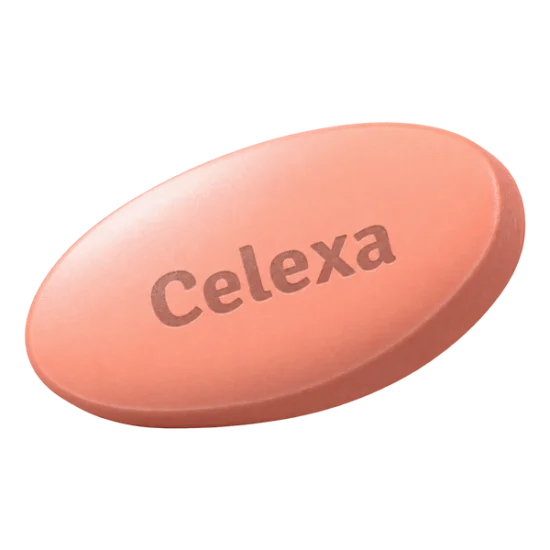
Celexa contains citalopram hydrobromide as its active substance. Citalopram belongs to the selective serotonin reuptake inhibitor (SSRI) antidepressant class.
How it affects the body
Citalopram selectively blocks the serotonin transporter, also called SERT. This transporter normally removes serotonin from the synaptic cleft, the small space between communicating nerve cells. Blocking reuptake increases serotonin availability in that space.
Serotonin participates in mood regulation, emotional processing, sleep, appetite, and stress responses. The initial rise in serotonin availability happens soon after treatment begins, while the antidepressant response requires adaptation in several neural circuits. This explains why the medicine can cause early side effects before mood improves.
The mechanism differs from medicines that primarily affect norepinephrine, dopamine, or both serotonin and norepinephrine. Citalopram is more selective for serotonin than an SNRI such as venlafaxine. The FDA describes citalopram as a selective serotonin reuptake inhibitor in its prescribing information [1].
Therapeutic indications
Citalopram is primarily used for depression, while anxiety and panic symptoms may be treated with it in selected clinical situations. Some clinicians use an SSRI when panic attacks, persistent worry, avoidance, or physical anxiety symptoms occur alongside depression or as a separate anxiety disorder.
Panic attacks can include sudden fear, racing heart, trembling, sweating, breathlessness, chest discomfort, dizziness, and a feeling of losing control. Citalopram does not stop an individual attack immediately. Its role is to reduce the underlying tendency toward recurrent panic over continued treatment.
Early activation can occur. A person may feel more nervous, restless, or physically alert during the first part of treatment before anxiety settles. Slow dose adjustments can be useful in sensitive patients.
Citalopram is not an emergency treatment for severe agitation, suicidal crisis, psychosis, or an acute panic episode. Those situations require urgent clinical assessment. NICE guidance places antidepressants within a broader treatment plan that may include psychological therapy and follow-up monitoring [2].
Common mistakes
Several practical errors can reduce benefit or increase discomfort:
- Expecting relief after the first tablet.
- Taking doses at random times.
- Doubling the next dose after a missed tablet.
- Stopping suddenly after early improvement.
- Using tramadol, St John’s wort, or another serotonergic product without reporting it.
- Assuming sexual side effects will disappear without mentioning them.
- Ignoring fainting, palpitations, severe agitation, or unusual bleeding.
- Mixing alcohol with the medicine while still learning how it affects alertness.
- Treating citalopram as an emergency medicine for an acute panic attack.
- Sharing tablets with another person who has similar symptoms.
One common pattern is stopping when sleep improves, even though depressive symptoms remain vulnerable to relapse. Another is continuing a medicine despite severe activation because the person expects every early reaction to be temporary.
When not to use it
Extra care is needed with:
- Bipolar disorder, previous mania, or a strong family history of bipolar illness.
- A history of irregular heartbeat, fainting, congenital long-QT syndrome, recent heart attack, or other heart disease.
- Low potassium or magnesium.
- Liver disease, which can increase citalopram exposure.
- Kidney disease, especially when advanced.
- Glaucoma or a tendency toward increased eye pressure.
- A bleeding disorder, stomach ulcer, or previous gastrointestinal bleeding.
- Epilepsy, seizures, or conditions that lower the seizure threshold.
- Significant alcohol use or abrupt alcohol withdrawal.
- Pregnancy, planned pregnancy, or breastfeeding.
Citalopram may increase bleeding risk when combined with aspirin, non-steroidal anti-inflammatory drugs, anticoagulants, or antiplatelet medicines. Watch for unusual bruising, black stools, blood in vomit, or prolonged bleeding.
The Health Canada product monograph describes cardiac, psychiatric, bleeding, and serotonin-related precautions associated with citalopram [3].
When this is not for you
Celexa is not suitable for everyone. A prescriber needs a complete medical and medication history before treatment begins.
This medication is not for you if you are taking an MAO inhibitor, have recently stopped one without an appropriate interval, or have a known serious reaction to citalopram. It is also unsuitable when the prescriber identifies a high-risk cardiac combination that cannot be changed or monitored.
Possible side effects
Common adverse effects associated with citalopram include nausea, dry mouth, increased sweating, headache, fatigue, sleep disturbance, tremor, loose stools, and sexual dysfunction. Many early effects improve as the body adapts, but persistent or troublesome symptoms deserve a medication review.
Some people experience reduced libido, delayed orgasm, or difficulty reaching orgasm. This can occur even when mood improves. The symptom may continue during treatment and should be discussed openly rather than treated as an expected inconvenience.
Weight changes are possible, although appetite and weight responses differ widely. Alcohol may worsen drowsiness, impaired judgement, sleep disruption, or depressive symptoms. Avoiding alcohol is the safer choice while the individual response is becoming clear.
Serious reactions require prompt medical attention:
- Serotonin syndrome may involve agitation, confusion, fever, sweating, diarrhoea, muscle rigidity, tremor, and a rapidly changing heart rate.
- A severe allergic reaction may cause facial swelling, wheezing, widespread hives, or difficulty breathing.
- Abnormal heart rhythm may present as fainting, palpitations, chest discomfort, or sudden dizziness.
- Severe mood activation, reduced need for sleep, impulsive behaviour, or racing thoughts can indicate mania.
- New suicidal thoughts or marked worsening of depression require urgent assessment, especially after starting treatment or changing the dose.
Citalopram can prolong the QT interval, an electrical measurement on an electrocardiogram. The risk rises with higher exposure, low potassium or magnesium, congenital long-QT syndrome, bradycardia, and combinations with other QT-prolonging medicines.
A urine drug screen can also produce unexpected results with some medicines. Tell the testing service about prescribed treatment before a result is interpreted.

Comparison
Citalopram belongs to the SSRI group, while other antidepressants act through different neurotransmitter systems. The choice depends on the symptom pattern, previous response, adverse effects, medical history, and interaction profile.
| Treatment category | Main pharmacological action | Clinical profile |
|---|---|---|
| Citalopram | Selective serotonin reuptake inhibition | Depression; selected anxiety and panic presentations |
| Escitalopram or sertraline | SSRI activity with different molecular profiles | Common first-line options for depression and anxiety |
| Venlafaxine, bupropion, or mirtazapine | SNRI or non-SSRI mechanisms | Options when symptoms, previous response, sleep, appetite, or sexual effects influence selection |
Escitalopram is the purified active enantiomer related to citalopram and may be selected when an SSRI response is needed with a different dosing strategy. Sertraline is another SSRI often considered when anxiety, obsessive symptoms, or cardiac considerations shape treatment.
Effexor XR contains venlafaxine, an SNRI that affects serotonin and norepinephrine. It may be considered when low energy, pain symptoms, or an inadequate SSRI response form part of the clinical picture, although blood pressure and discontinuation effects require attention.
Wellbutrin contains bupropion, which acts mainly on norepinephrine and dopamine pathways. It is sometimes selected when reduced sexual function or fatigue is a concern, but it is unsuitable for people with certain seizure risks or eating disorders.
Remeron contains mirtazapine. Its sedating and appetite-increasing properties can be useful for some patients with insomnia or poor appetite, while weight gain and daytime drowsiness may limit its suitability.
These are not interchangeable tablets. Switching from Celexa to an alternative may require a taper, a washout, or a planned cross-taper, depending on the medicines involved.
What doctors say
In clinical practice, prescribers usually assess three issues together: symptom response, tolerability, and safety factors. A modest improvement in sleep may be encouraging, but the treatment goal also includes better functioning, concentration, emotional stability, and daily activity.
Doctors often look for activation during the early phase. Restlessness, racing thoughts, reduced sleep, or impulsive decisions can signal a need for prompt review. This is different from ordinary mild nervousness and should not be ignored.
Consistency matters because irregular use creates fluctuating exposure. Stopping for several days and restarting at the previous dose can produce avoidable side effects. A planned taper is safer than an abrupt stop when treatment has been taken regularly.
A prescriber may also reconsider the diagnosis if depression remains unchanged after an adequate trial. Persistent low mood can reflect bipolar depression, untreated thyroid disease, sleep apnoea, substance use, grief, medication effects, or another medical condition.
Comparison
Common questions
Can Celexa be combined with pain medicines or supplements?
Citalopram can interact with tramadol, non-steroidal anti-inflammatory drugs, aspirin, anticoagulants, St John’s wort, lithium, and other serotonergic substances. Tramadol and St John’s wort may increase serotonin toxicity risk, while anti-inflammatory medicines can increase bleeding risk. The FDA medication guide describes these interaction concerns and recommends reviewing the complete medication list before treatment [4]. The same principle remains clinically relevant: include occasional pain medicines and supplements, not only daily prescriptions.
Is Celexa suitable for people under 18?
Celexa is not automatically appropriate for children or adolescents. Health Canada's 2023 product monograph describes age-related psychiatric monitoring considerations for antidepressant treatment. Antidepressant treatment in people under 18 requires careful assessment, close monitoring for suicidal thoughts or behavioural changes, and consideration of psychological therapy. The medicine should not be given to a young person because an adult relative has responded to it. Health Canada and other regulators require attention to age-related psychiatric monitoring when antidepressants are used in younger patients.
Can Celexa be used during pregnancy or breastfeeding?
Pregnancy and breastfeeding require an individual risk-benefit assessment. Citalopram crosses the placenta, and newborns exposed late in pregnancy may show temporary respiratory, feeding, or adaptation symptoms after birth. The medicine also passes into breast milk, so infant feeding, sleepiness, irritability, and weight gain may require observation. WHO guidance published in 2023 supports weighing maternal illness, treatment response, and infant considerations rather than stopping an antidepressant abruptly.
Do you offer anonymous delivery?
Your order will be securely packed and shipped within 24 hours. This is exactly what your package will look like (images of an actual item sent). It has the size and look of a regular private letter (24x11x0.7 cm) and its contents cannot be seen.
Customer Feedback on Celexa
He noticed that persistent low mood became less dominant. He returned to regular walks and found it easier to complete household tasks.
He experienced a useful reduction in depressive symptoms, but the improvement was slower than expected. Mild nausea affected the first part of treatment and settled enough for him to continue after discussing it with his doctor.
He reported clearer concentration and more stable days. He appreciated that the tablet fitted easily into his morning routine and felt the benefit was tangible.
Sources
- U.S. Food and Drug Administration (2024). Celexa (citalopram hydrobromide) Prescribing Information.
- National Institute for Health and Care Excellence (2022). Depression in adults: treatment and management.
- Health Canada (2023). Celexa Product Monograph.
- U.S. Food and Drug Administration (2024). Celexa Medication Guide.