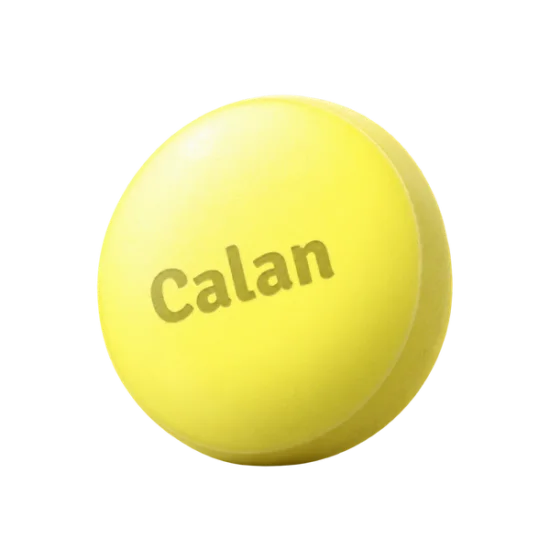
I used Calan for several weeks for episodes of rapid heartbeat. The episodes became less frequent, but constipation and tiredness were annoying during the first part of treatment. I kept a pulse log and discussed the symptoms rather than changing the dose myself.
Calan is used for high blood pressure, angina, and certain abnormal heart rhythms. Its active medicine, verapamil, relaxes blood vessels and slows electrical conduction through the heart.
Overview
Calan tablets are taken by mouth and are used for cardiovascular conditions such as high blood pressure, angina, and certain abnormal heart rhythms. The active medicine associated with Calan is verapamil, a calcium-channel blocker that relaxes blood vessels and slows electrical conduction through the heart.
Dosage and administration
The regimen for the chosen Calan strength should be confirmed with a healthcare professional before starting. Verapamil dosing is individualised rather than selected only by body weight or by the severity of a single blood-pressure reading.
Use follows these principles:
- swallow the tablet with water;
- take it at the prescribed frequency;
- keep the timing consistent from day to day;
- follow the specific instructions for the immediate-release or modified-release formulation;
- do not increase, reduce, or stop the medicine without a prescriber’s direction;
- if a dose is missed, take it when remembered unless the next scheduled dose is close;
- do not double the next dose to compensate for a missed tablet.
The tablet should be swallowed according to the formulation instructions. Some modified-release products must remain intact, while certain scored immediate-release tablets may be divided only when the prescriber or dispensing instructions specifically allow it.
Do not stop verapamil suddenly after long-term treatment without medical direction. A sudden change can destabilise blood pressure or worsen symptoms in people using it for angina or rhythm control.
Alcohol may increase dizziness or light-headedness when combined with blood-pressure-lowering treatment. Grapefruit and grapefruit juice can affect the metabolism of some medicines, including verapamil, so regular grapefruit consumption should be discussed before treatment continues.
Formulation
Calan is available as tablets. The tablet formulation is swallowed rather than injected, and the appropriate strength depends on the diagnosis, heart rate, blood pressure, kidney and liver function, age, and other medicines being used.
How it affects the body
Calan works by blocking L-type calcium channels. Calcium is required for contraction in blood-vessel walls and heart muscle. When less calcium enters these cells, arteries relax and the heart works against less resistance.
Verapamil also slows conduction through the atrioventricular node. This can reduce the ventricular rate during some supraventricular arrhythmias, including atrial fibrillation or atrial flutter when a clinician considers rate control appropriate. It does not treat every abnormal rhythm, and it can worsen certain conduction problems.
The main pharmacological effects are:
- relaxation of coronary and peripheral arteries;
- lower systemic vascular resistance;
- slower atrioventricular-node conduction;
- reduced heart rate in susceptible patients;
- lower myocardial oxygen demand;
- reduced force of contraction.
For angina, the reduction in cardiac workload can lessen the oxygen mismatch that contributes to chest discomfort. For hypertension, arterial relaxation lowers resistance against which the heart pumps. For rhythm control, slowing conduction through the atrioventricular node can reduce how quickly impulses reach the ventricles.
The EMA describes verapamil as a medicine requiring attention to cardiac conduction, blood pressure, interactions, and formulation-specific dosing. The product information also distinguishes immediate-release tablets from modified-release formulations, so the prescribed formulation should remain unchanged unless the prescriber gives a different instruction [2].
One practical detail matters: a tablet designed for modified release must not automatically be treated like an immediate-release tablet. Crushing or chewing can change how quickly verapamil enters the bloodstream.
Therapeutic indications
Calan tablets are taken by mouth and are used for cardiovascular conditions such as high blood pressure, angina, and certain abnormal heart rhythms.
These combined effects explain why verapamil can help blood pressure, chest pain caused by reduced coronary blood flow, and selected supraventricular tachyarrhythmias.
Health Canada and the FDA classify verapamil among non-dihydropyridine calcium-channel blockers [1].
Common mistakes
Several avoidable errors can reduce benefit or increase risk:
- doubling the next tablet after a missed dose;
- crushing a modified-release tablet;
- stopping treatment after one normal blood-pressure reading;
- combining verapamil with another rate-slowing medicine without checking;
- ignoring constipation until it becomes severe;
- standing quickly after the first doses;
- forgetting to mention verapamil before surgery or dental treatment;
- using grapefruit products regularly without discussing them;
- judging treatment only by symptoms instead of recording pulse and blood pressure when instructed.
A home blood-pressure monitor does not replace clinical review. Readings should be taken under similar conditions, with the arm supported and several minutes of rest beforehand. A single unusually low result should be repeated after sitting safely, especially if dizziness is present.
Another common mistake is assuming that two tablets with the same name can be substituted freely. Immediate-release and modified-release formulations can have different schedules and handling instructions. The tablet’s release design is part of its dosing behaviour.
When not to use it
This medicine may be unsuitable or require specialist supervision in people with:
- severe low blood pressure or cardiogenic shock;
- significant heart failure with reduced pumping function;
- sick-sinus syndrome without a functioning pacemaker;
- second- or third-degree atrioventricular block without a functioning pacemaker;
- markedly slow heart rate;
- certain ventricular tachycardias;
- known allergy to verapamil or an excipient;
- severe liver impairment;
- suspected Wolff–Parkinson–White syndrome with atrial fibrillation or flutter.
Verapamil interactions can be clinically significant. Particular caution is needed with:
- beta blockers, because both medicines can slow the heart and reduce contractility;
- digoxin, because verapamil can increase digoxin exposure;
- ivabradine, due to additive heart-rate lowering;
- other medicines that prolong conduction or lower blood pressure;
- certain antiarrhythmics;
- strong CYP3A4 inhibitors or inducers;
- statins metabolised through CYP3A4;
- carbamazepine, ciclosporin, sirolimus, or tacrolimus;
- grapefruit products.
The WHO’s drug-interaction principles support reviewing the complete medicine list, including non-prescription products and supplements, before treatment begins [3].
When this is not for you
Calan may not be right for you if you have very low blood pressure, a very slow pulse, a serious heart rhythm or conduction problem, or reduced heart-pumping function. Tell a clinician if you have severe liver disease, a pacemaker, Wolff–Parkinson–White syndrome, or an allergy to verapamil. Do not combine it with another medicine that slows the heart without medical advice.
Possible side effects
Common verapamil side effects include constipation, dizziness, headache, nausea, flushing, low blood pressure, and ankle swelling. Constipation is one of the practical problems patients mention most often. Increasing fibre and fluids may help some people, but a sudden change in bowel habits deserves attention when it is severe or persistent.
Verapamil can slow the heart rate or prolong conduction. Symptoms that require urgent medical assessment include fainting, severe weakness, new chest pain, marked breathlessness, confusion, or a very slow or irregular heartbeat. Swelling of the face, lips, tongue, or throat may signal a serious allergic reaction.
Potential adverse effects include:
- constipation;
- dizziness or light-headedness;
- headache;
- nausea;
- fatigue;
- ankle or lower-leg swelling;
- slow pulse;
- low blood pressure;
- worsening heart-failure symptoms in susceptible patients;
- conduction abnormalities.
The risk of clinically significant bradycardia or atrioventricular block rises when verapamil is combined with other medicines that slow the heart. Older adults and people with impaired liver function may experience stronger or longer-lasting effects because verapamil is extensively metabolised by the liver.
One detail can prevent a frustrating mistake: constipation may begin before the cardiovascular benefit feels noticeable. Stopping the tablet independently can create risk; a clinician can instead review the dose, formulation, hydration, diet, and other constipating medicines.
A further practical issue is dental and surgical care. Tell the treating clinician that verapamil is being used before a procedure involving anaesthesia, because several anaesthetic and cardiovascular medicines can compound low blood pressure or slow cardiac conduction.

Comparison
| Treatment category | Main action | Practical limitation |
|---|---|---|
| Verapamil-type calcium-channel blocker | Relaxes arteries and slows atrioventricular conduction | Can cause constipation, slow pulse, low blood pressure, or conduction problems |
| Dihydropyridine calcium-channel blocker | Mainly relaxes peripheral arteries | Usually has less direct effect on atrioventricular conduction |
| Beta blocker | Slows heart rate and reduces cardiac workload | May worsen asthma symptoms, fatigue, or low pulse in susceptible people |
A clinician may favour verapamil when both vascular relaxation and atrioventricular-node slowing are useful. A different calcium-channel blocker may be preferred when rate slowing would be undesirable. Beta blockers can be suitable for some rhythm or angina patterns, though their effects on breathing, exercise tolerance, blood glucose awareness, and pulse must be considered.
This is a clinical selection rather than a simple potency contest. The choice depends on the rhythm diagnosis, ejection fraction, resting pulse, blood pressure, kidney and liver function, and concurrent therapy.
What doctors say
In clinical practice, physicians usually assess three measurements before adjusting verapamil: blood pressure, resting pulse, and symptoms. A lower blood-pressure reading is not automatically better if it comes with faintness, falls, confusion, or unusual fatigue.
For rhythm disorders, a pulse reading from a home monitor can be useful, but it does not identify the rhythm itself. A normal pulse rate does not rule out intermittent atrial fibrillation, and an irregular reading should be interpreted alongside an electrocardiogram when appropriate.
Doctors also pay attention to the reason for treatment. Verapamil may help one type of supraventricular rhythm while being unsuitable for another. The medicine should not be used as a self-directed response to palpitations without identifying the underlying rhythm.
A practical prescribing conversation often includes the full list of medicines, caffeine and grapefruit habits, constipation history, falls, exercise tolerance, and whether the person has experienced fainting. These details can change the safest choice even when the blood pressure appears suitable.
The European Medicines Agency’s product information places cardiac monitoring and interaction review at the centre of safe verapamil use [4]. In older adults, a cautious dose adjustment may be needed because reduced clearance, dehydration, and several concurrent medicines can amplify dizziness or bradycardia.
Comparison
Calan Current
Cozaar
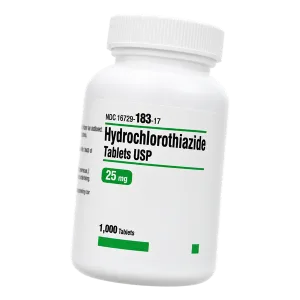
Hydrochlorothiazide
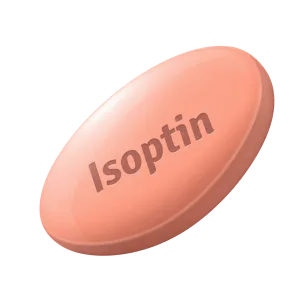
Isoptin
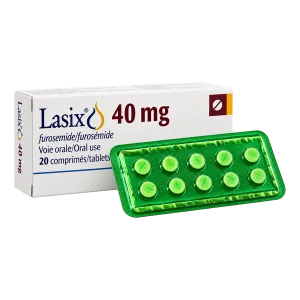
Lasix
Common questions
How should Calan be stored at home and while travelling?
Keep Calan tablets in a dry place at ordinary room temperature, away from excessive heat, moisture, and direct sunlight. Health Canada storage guidance from 2024 supports keeping tablets in their original dispensing container and away from children, with storage conditions followed for the specific formulation. During travel, keep the medicine in carry-on luggage rather than in a hot vehicle or checked baggage.
Can Calan tablets be split, crushed, or chewed?
The answer depends on the formulation. Modified-release verapamil tablets should generally be swallowed intact because crushing or chewing can release the medicine too quickly. The FDA prescribing information from 2024 distinguishes release formulations and dosing schedules, so a tablet should only be divided when the prescribed product is designed for splitting and the healthcare professional has confirmed that method.
Does Calan cause constipation?
Constipation is a recognised verapamil side effect and can occur even when the medicine is helping the cardiovascular problem. The EMA product information from 2023 identifies gastrointestinal effects among possible adverse reactions. Regular fluids, dietary fibre, movement, and early discussion of persistent symptoms may help, while severe abdominal pain, vomiting, or inability to pass stool requires prompt assessment.
Can older adults use Calan?
Older adults can use verapamil when the indication and cardiac status make it suitable, but they may be more sensitive to low blood pressure, slow pulse, constipation, dizziness, and interactions. Health Canada prescribing information from 2024 supports cautious individualisation where age-related changes or multiple medicines affect drug clearance. Falls, faintness, new confusion, or unusual weakness should prompt a medication review.
Is Calan suitable for anyone under 18?
Use in children and adolescents depends on the specific cardiac condition, formulation, and specialist plan. The WHO advises in its 2021 guidance that paediatric medicine use should account for age, weight, organ function, and evidence for the particular indication. Calan should not be given to a person under 18 simply because an adult in the household uses it.
Can Calan be combined with beta blockers or supplements?
Combining verapamil with beta blockers can produce excessive slowing of the heart, low blood pressure, or atrioventricular block. The FDA label from 2024 warns about additive cardiovascular effects with medicines that reduce heart rate or contractility. Tell the prescriber about magnesium products, herbal supplements, and all non-prescription medicines before combining them with Calan.
Can I drive, concentrate, or operate machinery while taking Calan?
Dizziness, fatigue, blurred vision, or low blood pressure can impair driving and machinery work, especially after starting treatment or changing the dose. Health Canada safety information from 2024 supports avoiding these activities until the individual response is clear. Do not drive if you feel faint, unusually sleepy, confused, or unable to concentrate reliably.
Which symptoms require urgent medical attention?
Seek urgent medical help for fainting, severe breathlessness, new or worsening chest pain, swelling of the face or throat, confusion, or a markedly slow heartbeat with weakness. The EMA identifies in its 2023 product information serious cardiovascular and allergic reactions as requiring prompt assessment. Do not take an extra tablet to treat palpitations or chest discomfort unless a clinician has specifically provided that plan.
Do you offer anonymous delivery?
Your order will be securely packed and shipped within 24 hours. This is exactly what your package will look like (images of an actual item sent). It has the size and look of a regular private letter (24x11x0.7 cm) and its contents cannot be seen.
How should Calan be stored at home and while travelling?
Keep Calan tablets in a dry place at ordinary room temperature, away from excessive heat, moisture, and direct sunlight. Health Canada storage guidance from 2024 supports keeping tablets in their original dispensing container and away from children, with storage conditions followed for the specific formulation. During travel, keep the medicine in carry-on luggage rather than in a hot vehicle or checked baggage.
Customer Feedback on Calan
Calan helped reduce the racing-heart episodes that had interrupted my workday. After the treatment routine settled, I could exercise more comfortably and did not need to keep stopping to wait for my pulse to calm down.
I took the tablets consistently for blood-pressure control and noticed fewer headaches after the first few weeks. The routine was easy to maintain because I linked the dose with breakfast and recorded my readings in a notebook.
Calan made a clear difference to the chest tightness I had been experiencing with exertion. I still paced myself, but ordinary walks became much easier and the improvement remained steady with regular use.
Sources
- Health Canada (2024). Verapamil hydrochloride product monograph and Canadian drug information.
- European Medicines Agency (2023). Summary of Product Characteristics for verapamil-containing medicinal products.
- World Health Organization (2021). Medication Safety in Polypharmacy: Technical Report.
- European Medicines Agency (2022). Guideline on the clinical investigation of medicinal products for the treatment of cardiac arrhythmias.