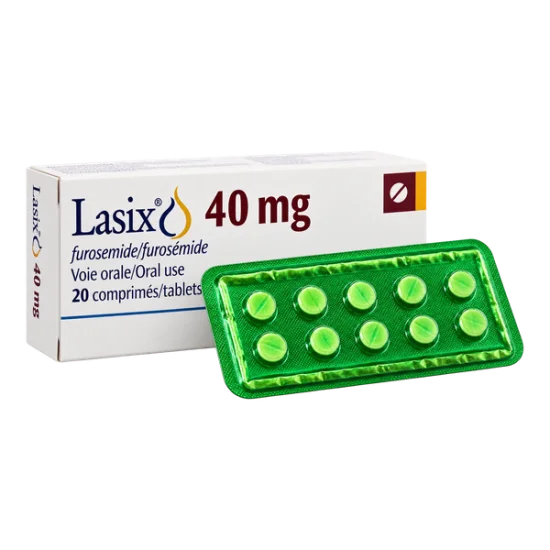
I used Lasix for swelling linked to my treatment plan. The swelling eased after several days, although I needed to plan bathroom breaks more carefully and felt mildly light-headed once when I stood up quickly.
Lasix is intended for adults with clinically significant fluid retention or selected blood-pressure problems related to heart, kidney, or liver disease. Lasix contains furosemide, a high-ceiling loop diuretic that helps the kidneys remove excess sodium and water.
Overview
Lasix contains furosemide in oral tablets. Furosemide is also called frusemide in some English-speaking markets. It belongs to the high-ceiling loop diuretic class, sometimes described broadly as a “water pill.”
Dosage and administration
The available product is an oral tablet containing furosemide. How much to use and how often depends on the purpose of treatment and is agreed with a doctor or pharmacist.
- Take Lasix by mouth exactly as directed for the prescribed condition.
- Do not increase the dose because swelling has not improved quickly.
- Do not double the next dose after a missed dose unless a healthcare professional specifically instructs this.
- Do not stop treatment abruptly without discussing the change with the prescriber.
- Follow any individualized fluid, sodium, or weight-monitoring plan.
- Expect increased urination after a dose, especially during the earlier part of the day.
Oral Lasix Administration
There is no single schedule suitable for every patient. A regimen may differ according to heart failure, kidney disease, liver disease, hypertension, age, and the degree of fluid retention.
Food can affect the timing of absorption in some patients, so follow the administration instructions selected for your treatment plan. Take the tablet with water unless a clinician has given different fluid instructions.
A frequent mistake is taking a late dose to “catch up.” This can lead to repeated night-time urination, poor sleep, and unnecessary dehydration without improving the missed treatment.
Injectable Furosemide in Clinical Care
Injectable furosemide is used in supervised clinical care when an oral route is unsuitable or a faster response is required. It is not an alternative self-use form of the Lasix tablets.
Clinical teams may monitor blood pressure, urine output, kidney function, sodium, potassium, and hearing-related symptoms during parenteral treatment. The route, speed of administration, and dose require professional assessment.
Monitoring During Treatment
More urine does not always mean better treatment. Excessive fluid removal can reduce blood pressure, impair kidney function, and disturb electrolytes.
Formulation
Lasix contains furosemide in oral tablets. Furosemide is also called frusemide in some English-speaking markets. It belongs to the high-ceiling loop diuretic class, sometimes described broadly as a “water pill.”
The product presentation contains 20 tablets. Furosemide increases urinary removal of sodium and water, reducing excess fluid in the bloodstream and tissues. It is used under the direction of a licensed healthcare professional because how much to use and how often depends on the condition being treated and is agreed with a doctor or pharmacist.
Active Ingredient and Drug Class
Furosemide blocks the recovery of sodium and chloride in a specific part of the kidney called the thick ascending loop of Henle. Less sodium remains in the bloodstream after filtration, so more water follows it into the urine.
“Frusemide” and “furosemide” refer to the same active ingredient. The spelling differs between some markets, while the pharmacological action remains the same. Health Canada classifies furosemide as a potent loop diuretic used in clinical situations where rapid or substantial fluid removal may be required [1].
Prescription Status and Clinical Supervision
Lasix is used as a prescription treatment rather than as a general product for cosmetic water loss. A prescriber may adjust the regimen after reviewing blood pressure, swelling, urine output, kidney function, sodium, potassium, and other medicines.
One practical detail is easy to underestimate: increased urination can begin soon after an oral dose, so the timing may affect sleep, commuting, and work.
How it affects the body
Furosemide acts mainly in the kidney’s thick ascending loop of Henle. This part of the nephron normally reabsorbs sodium and chloride through a kidney transport protein. Furosemide blocks that process, leaving more salt in the urine.
Water follows sodium. Urine production rises. Circulating fluid volume can fall. Swelling may improve. The same mechanism can lower blood pressure in people whose pressure is affected by excess circulating volume.
Kidney Transport and Sodium Removal
The loop of Henle helps the kidneys concentrate urine and recover salt. Blocking sodium and chloride recovery produces a strong diuretic response. This explains why loop diuretics can remain useful when kidney function is reduced, although the dose and monitoring plan may need careful adjustment.
The term “water pill” covers several different drug classes. Lasix is more potent for fluid removal than many mild non-prescription products marketed for temporary water loss, and those products cannot be treated as interchangeable.
Fluid Balance and Electrolytes
Sodium removal can also affect potassium, magnesium, calcium, and blood volume. Excessive diuresis may cause thirst, weakness, muscle cramps, dizziness, low blood pressure, or palpitations.
The European Medicines Agency describes electrolyte and fluid-balance monitoring as an important part of furosemide treatment, especially when higher doses, prolonged treatment, older age, or kidney impairment are involved [2].
Therapeutic indications
Lasix may be prescribed for oedema, meaning swelling caused by excess fluid in body tissues. The underlying cause matters. Furosemide can reduce fluid accumulation, but it does not repair the heart, kidney, or liver condition that caused the oedema.
Common clinical uses include:
- Oedema associated with heart failure.
- Fluid retention linked to kidney disease.
- Oedema associated with liver disease.
- Selected cases of hypertension when a diuretic is clinically appropriate.
- Fluid overload requiring close medical monitoring.
Oedema Associated with Heart, Kidney, and Liver Conditions
Heart failure can reduce the circulation of blood through the kidneys, encouraging sodium and water retention. Kidney disease can impair fluid removal directly. Liver disease may contribute to fluid accumulation in the abdomen or legs through changes in circulation and protein balance.
Furosemide may reduce swelling and breathlessness caused by excess fluid, yet the response differs between patients. Kidney function, the severity of fluid retention, dietary sodium, and other medicines all influence the result.
Sudden breathlessness, chest pain, blue or grey lips, confusion, or rapidly worsening swelling requires urgent medical assessment. These symptoms can signal a serious heart, lung, or fluid-balance problem rather than a routine need for more tablets.
Hypertension Treatment
Lasix is not a routine first-choice option for every person with uncomplicated high blood pressure. A clinician may consider it when blood pressure is linked to fluid overload, reduced kidney function, heart failure, or another situation where a loop diuretic fits the treatment plan.
Blood pressure can fall too far if Lasix is combined with other blood-pressure medicines or if fluid loss is excessive. The treatment plan may therefore include gradual adjustments and laboratory checks.
Common mistakes
Common mistakes include:
- Taking extra tablets because urine output seems lower.
- Taking a missed dose late at night.
- Stopping Lasix when swelling improves.
- Changing fluid intake dramatically without medical guidance.
- Starting potassium supplements without blood-test results.
- Sharing tablets with a relative who has swelling.
- Using Lasix for routine weight loss.
- Ignoring regular blood tests because symptoms feel stable.
The body’s fluid status can change before a person feels unwell. Keep scheduled monitoring appointments when they form part of the treatment plan.
When not to use it
Extra review is needed with:
- Dehydration or very low blood pressure.
- Very low urine output or urinary obstruction.
- Kidney disease or changing kidney function.
- Liver disease, especially when confusion or severe fluid imbalance is present.
- Low sodium, low potassium, or other electrolyte abnormalities.
- Gout, because changes in uric acid can trigger attacks.
- Diabetes, because fluid changes and treatment interactions can affect glucose management.
- Recent vomiting, diarrhoea, poor food intake, or heavy sweating.
- A previous serious reaction to furosemide or a sulfonamide-related medicine.
Pregnancy, breastfeeding, and older age do not produce one universal rule for every patient. The prescriber weighs the reason for treatment against possible effects on maternal fluid balance, blood pressure, kidney function, and milk production.
When this is not for you
Lasix is not suitable for self-directed use in people with unexplained swelling, dehydration, or suspected electrolyte disturbance. A prescriber needs a clear view of the underlying condition before selecting treatment.
This medication is not for you if a clinician has identified severe dehydration, an untreated urinary blockage, or a serious electrolyte abnormality that makes further fluid loss unsafe. It also requires careful review when pregnancy or breastfeeding is involved.
Older adults may become dizzy or dehydrated more readily, especially when they also take blood-pressure medicines. Rising from a chair slowly can reduce falls related to postural blood-pressure changes.
Possible side effects
The most expected effect is increased urination. Other reactions depend on the dose, duration, kidney function, age, fluid intake, and medicines taken at the same time.
Common Dose-Related Effects
Possible problems include:
- Thirst or dry mouth.
- Dizziness, especially when standing.
- Weakness or tiredness.
- Headache.
- Muscle cramps.
- Low blood pressure.
- Dehydration.
- Increased frequency of urination.
Dizziness after standing can occur when blood volume falls too much. Sit or lie down if light-headed, and contact the clinical team if the symptom persists or is accompanied by fainting.
Do not automatically treat cramps with a potassium supplement. Potassium may be too high or too low for different medical reasons, and supplements can be harmful in kidney disease or when combined with certain medicines.
Electrolyte and Kidney-Related Problems
Furosemide can lower potassium, sodium, magnesium, or other electrolytes. Warning symptoms may include marked weakness, confusion, severe cramps, tremor, unusual drowsiness, or an irregular heartbeat.
Blood tests may identify an electrolyte or kidney problem before symptoms become obvious. The monitoring schedule depends on the treatment intensity and the person’s medical condition.
Serious Reactions Requiring Prompt Care
Seek urgent medical care for fainting, severe weakness, confusion, a markedly irregular heartbeat, very little urine, severe dehydration, or rapidly worsening breathlessness.
A severe rash, facial swelling, difficulty breathing, sudden hearing change, or ringing in the ears also requires prompt assessment. High-dose or rapidly administered furosemide has been associated with hearing-related toxicity, especially in vulnerable patients.

Comparison
Different diuretics act at different kidney sites and produce different effects on sodium, potassium, blood pressure, and fluid removal. The active ingredient and clinical purpose determine whether a product can replace Lasix.
| Diuretic category | Main clinical role |
|---|---|
| Loop diuretic such as furosemide | Strong fluid removal for oedema and selected volume-related hypertension |
| Thiazide-type diuretic | Blood-pressure treatment and milder fluid removal in selected conditions |
| Potassium-sparing diuretic | Selected heart, blood-pressure, or hormone-related indications with attention to potassium |
Loop Diuretics and Other Prescription Diuretic Classes
Lasix may produce a stronger and faster diuretic response than many thiazide-type treatments. Thiazide-type medicines are often selected for blood-pressure control when substantial fluid removal is not required.
Potassium-sparing diuretics have a different effect on potassium and may be chosen for specific diagnoses. No class is automatically better; selection depends on the diagnosis, kidney function, potassium level, blood pressure, and other medicines.
Lasix and Water-Pill Products
“Water pills” is a broad consumer term rather than a precise pharmacological category. Some products marketed for temporary water loss may contain mild diuretic ingredients, while prescription loop diuretics contain a defined active medicine requiring clinical supervision.
Using a water-loss product for appearance or routine weight reduction can cause dehydration without treating an underlying illness. Lasix should be used for a diagnosed clinical purpose.
Related Furosemide Naming
Some markets use different brand names for products containing furosemide or frusemide. A brand name alone does not establish that two products have the same strength, formulation, or instructions.
Do not substitute another tablet based only on a similar name. Confirm the active ingredient and strength with a licensed healthcare professional.
What doctors say
A clinician would usually set expectations around fluid control rather than a fixed number of bathroom visits. The intended result may be less swelling, easier breathing, improved blood pressure, or a more stable daily weight.
The dose may need adjustment when kidney function changes, when another medicine is added, or when vomiting, diarrhoea, fever, or heavy sweating causes fluid loss. Prescribers also consider whether ongoing swelling reflects progression of heart, kidney, or liver disease.
One practical counselling point is that a strong urine response can be useful without being a treatment target by itself. Too much diuresis may reduce circulation to the kidneys and leave a person weak or dizzy.
Comparison
Calan
Cozaar
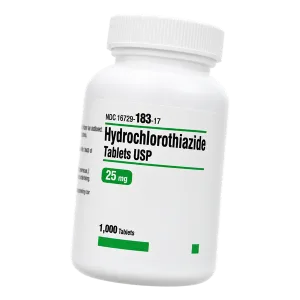
Hydrochlorothiazide
Isoptin
Lasix Current
Common questions
What should happen if Lasix does not produce the expected result?
Do not increase the dose independently if swelling or breathlessness does not improve. The cause may involve kidney function, sodium intake, disease progression, absorption, or another medicine. FDA prescribing information reviewed in 2023 supports reassessing the clinical situation rather than treating a poor response with automatic dose escalation [3].
Can Lasix affect driving, concentration, or work with machinery?
Lasix may cause dizziness, weakness, blurred concentration from low blood pressure, or urgent urination. These effects can make driving or machinery work unsafe until the response is known. Health Canada patient-safety guidance current to 2025 supports avoiding hazardous tasks when a medicine causes dizziness or impaired alertness.
How long does one dose of Lasix keep working?
The duration varies with kidney function, dose, fluid status, and the reason for treatment. Oral furosemide often produces its strongest urinary effect during the hours after dosing, while injectable treatment is used in a different clinical setting with closer monitoring. The European Medicines Agency (2022) SmPC for furosemide describes variable response according to patient factors rather than one guaranteed duration.
Which diet, exercise, or habits help or hinder Lasix treatment?
Follow the individualized sodium and fluid plan provided for the underlying condition. Excess sodium can encourage fluid retention, while heavy sweating, vomiting, diarrhoea, or strenuous exercise in heat can increase dehydration risk. The WHO cardiovascular guidance updated in 2023 supports limiting excess dietary sodium for blood-pressure and fluid-management goals, though the precise plan must match the patient’s diagnosis.
What should be done after a missed Lasix dose?
Do not double the next dose or take a late dose without considering the effect on sleep, blood pressure, and fluid balance. The U.S. Food and Drug Administration (2023) provides product-specific dosing information that supports clinician-directed advice, especially when Lasix is used for heart failure, kidney disease, or severe oedema. The correct action depends on how late the dose is and when the next dose is due.
Do you offer anonymous delivery?
Your order will be securely packed and shipped within 24 hours. This is exactly what your package will look like (images of an actual item sent). It has the size and look of a regular private letter (24x11x0.7 cm) and its contents cannot be seen.
Customer Feedback on Lasix
The tablets helped reduce the ankle swelling that had been bothering me. I took them early in the day and found that this made work and sleep easier.
Lasix made a noticeable difference in my breathing and leg swelling over the first couple of weeks. I kept a simple weight record, which helped me see the change more clearly.
The response was partial for me. My ankles improved, but I still had some swelling by evening and needed follow-up because the increased urination was inconvenient.
I had less fluid-related discomfort after starting the tablets. The early-day timing suited me, and I was satisfied with the improvement in my daily routine.
Sources
- Health Canada (2023). Product Monograph: Lasix (furosemide)
- European Medicines Agency (2022). Summary of Product Characteristics (SmPC) — furosemide
- U.S. Food and Drug Administration (2023). Lasix (furosemide) Prescribing Information