Skip to content
Save up to 80%
Hydrochlorothiazide
Active ingredient: Hydrochlorothiazide

Hydrochlorothiazide

Quality products
24/7 Support
Fast delivery
Delivery from 4 days
Select pack Package Per unit Price

Free delivery on orders from $ 296.00, free express delivery from $ 444.00

Secure Payments
Track your order
Best price guarantee

Hydrochlorothiazide tablets are taken by mouth, usually once daily, for high blood pressure and fluid retention. This thiazide diuretic helps the kidneys remove sodium and water, reducing circulating fluid and supporting blood-pressure control.

Overview

Hydrochlorothiazide, also called HCTZ, is a prescription diuretic often described as a water pill. It is used for hypertension and oedema linked to selected heart, liver, or kidney conditions. The amount taken at each intake is set individually for each person rather than being one fixed amount.

Pharmacological class

Hydrochlorothiazide belongs to the thiazide diuretic class. The term “water pill” is informal; it does not mean that the tablet removes water alone. The medicine changes how the kidney handles sodium, and water follows the sodium into urine.

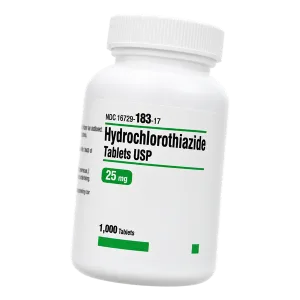
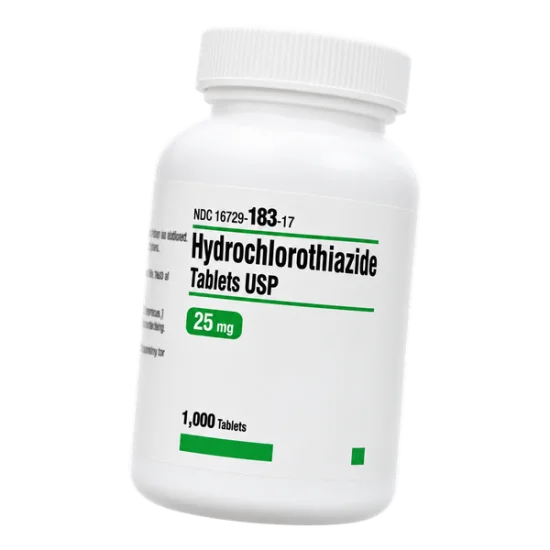
The product is supplied as oral tablets. The pack contains 1,000 tablets.

Dosage and administration

The amount taken at each intake is set individually for each person rather than being one fixed amount. It depends on the treatment goal, blood-pressure response, kidney function, age, fluid status, and other medicines.

A clinician may choose a lower total daily amount by adjusting the tablet schedule or selecting another strength when appropriate; the prescribed regimen takes priority over a general example.

  • Take the tablet by mouth at the prescribed frequency.
  • Morning administration is often practical because urination may increase after the dose.
  • Take it with or without food unless the prescriber has given different instructions.
  • If a dose is missed, take it when remembered unless the next scheduled dose is near.
  • Do not double the next dose after a missed tablet.
  • Avoid taking a late dose before bedtime unless specifically instructed.
If morning urination interferes with work or travel, discuss the timing with the prescriber rather than moving the dose to evening without guidance.

One practical detail matters: increased urination after a dose is expected, but persistent thirst, marked weakness, faintness, or confusion can indicate excessive fluid or electrolyte loss.

Hydrochlorothiazide tablets should be swallowed with an appropriate amount of fluid. Do not change fluid or salt intake sharply without discussing the plan with the clinician managing hypertension or oedema.

Formulation

Hydrochlorothiazide is the active ingredient. Generic tablets use the same active substance, though inactive ingredients, tablet appearance, and formulation details may differ between products.

Patients with lactose intolerance, dye sensitivity, swallowing problems, or previous reactions to tablet excipients should mention those concerns before a formulation change. A tablet that looks different can still contain the same active ingredient, while a similar-looking tablet can have a different strength or combination.

Do not substitute a fixed-dose combination tablet for hydrochlorothiazide alone based only on appearance. Combination products may include an angiotensin receptor blocker or an angiotensin-converting enzyme inhibitor, changing the monitoring requirements.

How it affects the body

Hydrochlorothiazide acts mainly in the distal convoluted tubule, a segment of the kidney nephron. It inhibits the sodium-chloride cotransporter, reducing sodium and chloride reabsorption from the forming urine.

More sodium remains in the urine. Water follows it. Urine production increases, circulating fluid volume falls, and blood pressure can decrease.

The early effect is mainly diuretic. The longer-term blood-pressure effect also involves reduced peripheral vascular resistance, meaning the small arteries offer less resistance to blood flow.

Kidney sodium handling

A useful analogy is a kidney filter with a sodium recovery gate. Hydrochlorothiazide partially closes that gate in the distal convoluted tubule, so more sodium passes onward instead of returning to the bloodstream.

This action can also change potassium, sodium, magnesium, calcium, uric acid, glucose, and kidney-function results. The size of these changes depends on the dose, kidney function, diet, hydration, and other medicines.

Blood-pressure effects

Hydrochlorothiazide can lower blood pressure without producing a noticeable sensation. A normal-feeling day does not prove that hypertension has resolved.

The World Health Organization identifies thiazide-type diuretics as established options within blood-pressure treatment strategies [2]. The best choice depends on the person’s cardiovascular risk, kidney function, electrolyte results, and other treatments.

Therapeutic indications

Primary indications

Hydrochlorothiazide treats hypertension by reducing excess fluid and, with continued treatment, lowering resistance in small blood vessels. It can also reduce fluid retention when a clinician identifies a suitable underlying cause.

Persistent swelling needs medical assessment. Oedema may relate to heart, kidney, liver, venous, or medication-related problems, and hydrochlorothiazide is not appropriate for every cause.

The diuretic effect can begin before a person feels any change in blood pressure. Blood pressure often causes no noticeable symptoms, so home readings and clinical checks remain useful even when a patient feels well. Health Canada product information describes hydrochlorothiazide as a diuretic used for hypertension and oedema [1].

Common mistakes

Several everyday habits can reduce benefit or increase adverse effects:

  • Taking the tablet late in the evening and losing sleep through urination.
  • Doubling the next dose after forgetting one.
  • Stopping when home blood-pressure readings improve.
  • Treating persistent dizziness by sharply increasing water intake without checking the cause.
  • Using ibuprofen or naproxen frequently without discussing kidney and blood-pressure effects.
  • Starting potassium supplements or salt substitutes without checking potassium results.
  • Changing salt intake suddenly while the diuretic regimen remains unchanged.
  • Measuring blood pressure immediately after exercise, caffeine, smoking, or a stressful conversation.
  • Ignoring reduced urination during vomiting, diarrhoea, fever, or heavy sweating.
Measure blood pressure at consistent times, seated with the arm supported, and record several readings rather than relying on one number.

Weight can help track fluid retention, but one day of change does not prove treatment success or failure. A sudden multi-day rise, increasing breathlessness, or rapidly worsening swelling deserves prompt clinical attention.

Plan outdoor activity and long drives around the dosing schedule when possible, and carry water according to the fluid plan provided for your condition.

When not to use it

Hydrochlorothiazide is not suitable for everyone.

People with gout, diabetes, lupus, kidney disease, liver disease, low sodium, low potassium, or recurrent fainting may need closer monitoring. Pregnancy and breastfeeding require a specific risk-benefit discussion because diuretics can affect maternal fluid balance and may influence placental or milk-related considerations.

Important interaction groups include lithium, digoxin, non-steroidal anti-inflammatory drugs, corticosteroids, medicines that lower blood pressure, insulin and other glucose-lowering therapies, medicines that prolong the QT interval, and other diuretics. Alcohol can worsen dizziness and dehydration.

Provide the prescriber with a complete list of medicines and supplements before treatment begins. Kidney function, sodium, potassium, uric acid, glucose, and blood pressure may be checked according to the clinical situation.

When this is not for you

This medication is not for you if

  • You have had a serious allergic reaction to hydrochlorothiazide or a related sulfonamide-derived medicine.
  • You cannot produce urine because of severe renal impairment or an obstructive urinary problem.
  • You have severe dehydration or significant electrolyte depletion that has not been corrected.
  • A previous thiazide reaction caused a serious blood, skin, liver, or kidney complication.
  • You are taking another medicine that could create an unsafe combination without a prescribed monitoring plan.

Possible side effects

The most expected effect is increased urination. Dizziness, light-headedness, thirst, headache, nausea, and weakness can occur, especially after starting treatment, increasing the dose, sweating heavily, vomiting, or having diarrhoea.

Rise slowly from a chair or bed. Sit down if light-headedness begins. Do not drive or operate machinery while dizzy.

Hydrochlorothiazide can lower sodium or potassium and may alter magnesium, calcium, uric acid, glucose, and kidney-function results. Blood tests may be ordered after treatment begins, after a dose change, or when illness affects hydration.

Possible clinically important problems include:

  • Dehydration with severe thirst, dry mouth, reduced urination, weakness, or dizziness.
  • Low sodium with headache, confusion, unusual drowsiness, nausea, or seizures.
  • Low potassium with muscle cramps, weakness, constipation, or an irregular heartbeat.
  • Increased uric acid, which may trigger gout in susceptible people.
  • Worsening kidney function, especially during dehydration or when combined with medicines that affect renal blood flow.
  • Increased glucose levels in some patients.
  • Photosensitivity, causing an exaggerated sun reaction.
  • Rare severe skin, blood, liver, or allergic reactions.

Severe weakness, confusion, fainting, chest symptoms, an irregular heartbeat, facial swelling, breathing difficulty, or rapidly worsening urine output requires urgent medical assessment.

Sun protection is practical. Hydrochlorothiazide may increase sensitivity to sunlight, so use protective clothing and limit intense exposure; report unusual or persistent skin changes.

The Canadian product monograph for hydrochlorothiazide describes electrolyte disturbances, photosensitivity, metabolic effects, and renal considerations as clinically relevant safety issues [3].

Comparison

Different diuretics have different strengths, sites of action, and clinical roles. A stronger diuretic is not automatically a better option.

Diuretic category Typical clinical role and main concern
Hydrochlorothiazide, a thiazide diuretic Hypertension and milder fluid retention; monitor sodium, potassium, uric acid, glucose, and kidney function
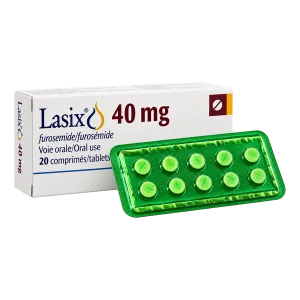
Furosemide or torsemide, loop diuretics More substantial fluid overload; monitor dehydration, sodium, potassium, magnesium, and kidney function
Spironolactone, a potassium-sparing aldosterone antagonist Selected heart-failure, oedema, or resistant-hypertension settings; monitor potassium and kidney function closely

Loop diuretics often produce a more pronounced diuretic effect and may be selected when substantial fluid overload is present. Hydrochlorothiazide is commonly used for hypertension and less intense fluid reduction.

Spironolactone can increase potassium, especially with kidney disease, ACE inhibitors, or angiotensin receptor blockers. Hydrochlorothiazide can lower potassium. Combining medicines with opposite potassium effects still requires laboratory monitoring because the net result is not predictable from the drug names alone.

What doctors say

Clinicians generally assess hydrochlorothiazide by blood-pressure trends, fluid status, kidney function, electrolyte results, and the patient’s ability to tolerate regular urination.

A practical prescribing point is that one high reading or one low reading rarely justifies a self-directed dose change. Repeated measurements taken under similar conditions provide more useful information.

Another point is that the medicine may work well without making a person feel different. Patients sometimes stop it because their blood pressure feels normal, even though the treatment is the reason readings have improved.

For oedema, the response should be judged alongside weight, swelling, breathlessness, kidney results, and the underlying diagnosis. A rapid change in swelling can signal a changing medical condition rather than a simple need for more tablets.

Comparison

Comparison table: Hypertension

Common questions

Can hydrochlorothiazide be used during pregnancy or breastfeeding?

Pregnancy and breastfeeding require an individual review of the reason for treatment, fluid status, and available alternatives. Health Canada product information from 2024 treats pregnancy-related use as a clinical decision rather than a routine self-care choice. Diuretics can alter maternal fluid and electrolyte balance, while pregnancy-related hypertension may require a different treatment plan. The same discussion applies during breastfeeding because the infant and maternal hydration status must be considered. The prescriber should document the treatment plan.

What happens if hydrochlorothiazide is stopped, and does it need tapering?

Stopping hydrochlorothiazide can allow blood pressure or fluid retention to rise again, depending on the condition being treated. The American College of Cardiology’s 2017 hypertension guidance supports continued treatment plans based on sustained blood-pressure control rather than symptoms alone. A taper is not automatically required for every person, but the prescriber should decide whether to stop, replace, or adjust it. Do not use a normal reading as the reason to discontinue treatment.

Which symptoms mean stopping hydrochlorothiazide and seeking urgent care?

Fainting, severe confusion, profound weakness, an irregular heartbeat, very little urine, facial or throat swelling, and breathing difficulty need urgent medical assessment. The European Medicines Agency's 2023 safety information describes serious electrolyte, renal, allergic, and skin reactions as reasons for prompt evaluation in relevant diuretic safety information. Severe blistering or peeling skin also requires urgent attention. Do not take another dose while awaiting urgent advice if a severe reaction is suspected.

Which diet, exercise, or habits help or hinder the result?

Consistent sodium intake, suitable physical activity, and regular blood-pressure measurements support treatment. The World Health Organization’s 2023 hypertension guidance emphasizes dietary sodium reduction, physical activity, weight management, and limiting alcohol as useful lifestyle measures. Heavy sweating, vomiting, diarrhoea, or intense exercise in hot conditions can increase dehydration risk. Potassium-rich foods or salt substitutes should not be increased automatically because kidney function and other medicines determine whether potassium is safe.

Which condition can rule hydrochlorothiazide out?

An inability to produce urine is a major reason hydrochlorothiazide may be unsuitable. The FDA-approved prescribing information from 2020 also identifies hypersensitivity, severe electrolyte disturbances, and clinically significant renal concerns as situations requiring avoidance or reassessment. Kidney disease does not always rule out treatment, but it changes the monitoring plan and may affect the choice of diuretic. A history of gout, low sodium, or serious sulfonamide-related reaction also requires specific review.

What should be checked before starting hydrochlorothiazide?

Before starting, the prescriber should review blood pressure, kidney function, sodium, potassium, uric acid risk, glucose risk, hydration, pregnancy or breastfeeding status, and the full medicine list. Health Canada product information from 2024 recommends using product-specific safety information when assessing contraindications and interactions. Particular attention is needed for lithium, digoxin, anti-inflammatory pain medicines, corticosteroids, potassium products, and other blood-pressure medicines. The planned timing of follow-up blood tests should also be clear.

Can hydrochlorothiazide affect driving, concentration, or machinery work?

Hydrochlorothiazide may affect driving or machinery work if it causes dizziness, blurred vision, weakness, dehydration, or a sudden blood-pressure drop. The Canadian Centre for Occupational Health and Safety's 2024 guidance advises assessing medication-related impairment before safety-sensitive work. Avoid driving until you know how the tablet affects you, especially after starting or changing treatment. Urination itself is not usually an impairment, but repeated sleep disruption or light-headedness can reduce concentration.

Do you offer anonymous delivery?

Your order will be securely packed and shipped within 24 hours. This is exactly what your package will look like (images of an actual item sent). It has the size and look of a regular private letter (24x11x0.7 cm) and its contents cannot be seen.

Customer Feedback on Hydrochlorothiazide

3.8
Based on 5 reviews
Stephen, 59 Fredericton Several months
Verified
Rating: 4.5 out of 5

I took the 25 mg tablet in the morning for several months. My home blood-pressure readings became more consistent, and the extra urination was easiest to manage before work. I was satisfied with the improvement.

Oct 31, 2026
Alan, 55 Toronto First couple of weeks
Verified
Rating: 4 out of 5

I used hydrochlorothiazide 25 mg once daily and noticed less ankle swelling within the first couple of weeks. The bathroom trips were more frequent at first, but settling into a morning routine made the treatment manageable.

Nov 8, 2026
Michael, 43 Abbotsford Several weeks
Verified
Rating: 3 out of 5

I took 25 mg for blood-pressure control for several weeks. It helped my readings, although I felt mildly light-headed on hot days and had to pay closer attention to fluids. The benefit was real, but the routine needed adjustment.

Oct 10, 2026
Craig, 31 Red Deer
Verified
Rating: 2.5 out of 5

Hydrochlorothiazide 25 mg did not give me the result I expected, and dizziness became troublesome during the first part of treatment. I stopped taking further doses and contacted my doctor to review the plan.

Oct 18, 2026
Simon, 67 Moncton Over time
Verified
Rating: 5 out of 5

I took 25 mg in the morning and saw a useful reduction in fluid around my ankles over time. Keeping the dose early in the day made sleep easier, and recording my weight helped me describe the response at appointments.

Oct 27, 2026

Sources

  1. Health Canada (2024). Product Monograph: Hydrochlorothiazide Tablets.
  2. World Health Organization (2021). Guideline for the Pharmacological Treatment of Hypertension in Adults.
  3. U.S. Food and Drug Administration (2020). Hydrochlorothiazide Tablets: Prescribing Information.
Get our free app Shop faster and track your orders 4.0 · 269 reviews Install