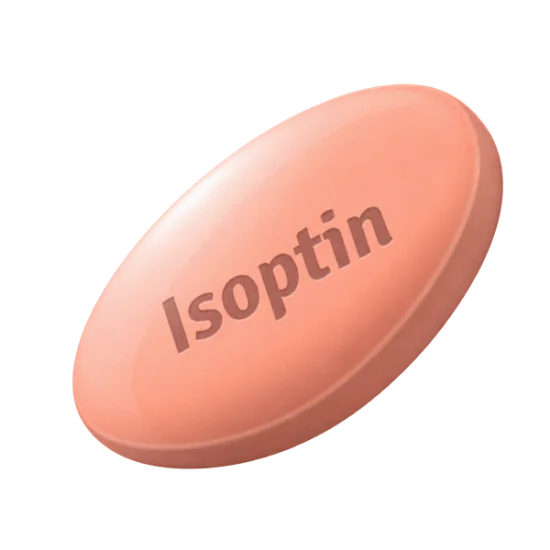
I used Isoptin for several weeks for a fast heartbeat. The episodes became less frequent, but constipation was annoying during the first part of treatment. I needed a medication review rather than simply adding an over-the-counter laxative.
Isoptin is used for high blood pressure, angina and selected abnormal heart rhythms. It contains verapamil hydrochloride, a calcium channel blocker that relaxes blood vessels and slows electrical conduction through the heart.
Overview
Isoptin contains verapamil hydrochloride, which belongs to the calcium channel blocker class. These medicines reduce the movement of calcium into heart muscle and blood-vessel muscle.
Dosage and administration
The amount per intake is set individually for each person rather than being one fixed number. Prescribers adjust verapamil according to the condition being treated, blood-pressure response, pulse, age, liver function, kidney function and the release type of the tablet.
- Take Isoptin at the prescribed times.
- Swallow tablets with water unless the specific formulation permits another method.
- Use sustained-release tablets whole unless official product instructions state otherwise.
- Do not change the amount because one home blood-pressure reading is higher or lower.
- Do not switch between immediate-release and sustained-release forms without a confirmed prescription.
- If a missed dose is remembered near the next scheduled dose, skip the missed dose and resume the usual schedule.
- Do not double the next dose.
A doubled dose can lower blood pressure or heart rate too much. It can also increase the risk of dizziness, fainting and conduction problems.
Immediate-Release and Sustained-Release Administration
Immediate-release and sustained-release tablets deliver verapamil at different rates. A sustained-release tablet is designed to maintain exposure over a longer period, while an immediate-release tablet reaches its intended effect over a shorter interval.
| Tablet type | Administration principle | Main practical concern |
|---|---|---|
| Immediate-release | Use at the prescribed times, often divided according to the treatment plan | Do not create an extra dose after a missed tablet |
| Sustained-release | Swallow whole at the prescribed interval | Crushing or chewing may release too much medicine at once |
The exact timing depends on the formulation and prescription. Confirming the formulation before a refill or substitution prevents accidental changes in how verapamil enters the bloodstream.
Missed Dose and Dose Changes
Take a missed tablet when remembered if the next scheduled dose is not close. If the next dose is due soon, follow the established dosing plan and leave out the missed tablet.
Never stop verapamil suddenly without a specific plan. The consequences depend on the reason for treatment, blood pressure, rhythm history and the other medicines being used.
Grapefruit and grapefruit juice can affect enzymes involved in drug metabolism. The clinical significance varies with the formulation and the rest of the medication list, so food and beverage advice should be confirmed for the individual treatment plan.
Alcohol may worsen dizziness or low blood pressure. It can also make it harder to judge whether fatigue is caused by verapamil or by alcohol itself.

Formulation
Isoptin contains verapamil hydrochloride, which belongs to the calcium channel blocker class. These medicines reduce the movement of calcium into heart muscle and blood-vessel muscle. The result can be lower vascular resistance, reduced cardiac workload and slower conduction through specific parts of the heart. [1]
Active Ingredient and Drug Class
Verapamil is a non-dihydropyridine calcium channel blocker. Unlike calcium channel blockers used mainly for blood pressure, verapamil also has a direct effect on heart rate and electrical conduction.
Isoptin may be prescribed for:
- High blood pressure
- Angina caused by reduced blood flow to the heart muscle
- Certain supraventricular tachycardias
- Selected atrial rhythm disorders under medical supervision
- Other rhythm-related indications assessed by a prescriber
The medicine does not treat every cause of chest pain or every irregular heartbeat. New chest pain, fainting or a rapid irregular pulse requires prompt medical assessment.
Conditions Treated With Isoptin
For hypertension, verapamil relaxes arterial smooth muscle and can reduce pressure inside the arteries. For angina, the lower heart workload may reduce oxygen demand. For selected supraventricular arrhythmias, its effect on the atrioventricular node can slow the passage of electrical signals from the atria to the ventricles.
A cardiologist or prescriber may choose Isoptin when both blood-pressure control and an effect on cardiac conduction are clinically useful. The choice depends on ventricular function, resting pulse, rhythm diagnosis, kidney and liver function, and other medicines.
Isoptin Tablets and Release Types
Isoptin is supplied as tablets. Verapamil tablets may be designed for immediate release or modified release, and these forms are not interchangeable on a tablet-for-tablet basis.
How it affects the body
Verapamil blocks L-type calcium channels in cardiac muscle, vascular smooth muscle and the atrioventricular node. These channels help calcium enter cells, allowing the heart to contract and electrical impulses to travel through the conduction system.
The atrioventricular node acts as an electrical gateway between the upper and lower chambers of the heart. Slowing this gateway can reduce an excessively rapid ventricular response during some supraventricular arrhythmias. The same action explains why verapamil can cause a slow pulse or conduction block in susceptible people. [2]
Effects on Blood Vessels and Blood Pressure
Calcium-channel blockade relaxes arterial muscle. Arteries can widen, which lowers resistance against the heart and may reduce blood pressure.
Effects on Heart Rate and Conduction
Verapamil slows conduction through the atrioventricular node and can reduce the heart rate. This is useful for selected rapid rhythms, but it can become excessive when the resting pulse is already low or when another medicine also slows conduction.
Therapeutic indications
Isoptin may be prescribed for:
- High blood pressure
- Angina caused by reduced blood flow to the heart muscle
- Certain supraventricular tachycardias
- Selected atrial rhythm disorders under medical supervision
- Other rhythm-related indications assessed by a prescriber
For hypertension, verapamil relaxes arterial smooth muscle and can reduce pressure inside the arteries. For angina, the lower heart workload may reduce oxygen demand. For selected supraventricular arrhythmias, its effect on the atrioventricular node can slow the passage of electrical signals from the atria to the ventricles.
Common mistakes
Common Administration Mistakes
The most common avoidable problems include:
- Crushing or chewing a modified-release tablet
- Doubling a dose after forgetting one
- Changing the tablet strength without confirmation
- Stopping treatment abruptly
- Adding grapefruit products without checking the interaction risk
- Taking a new antibiotic or antifungal without mentioning verapamil
- Assuming every episode of chest pain is a routine symptom
Modified-release tablets release medicine gradually. Altering their structure can change the exposure pattern and raise the risk of excessive effects.
When not to use it
Isoptin may be unsuitable or require specialist supervision in people with:
- Marked bradycardia
- Certain atrioventricular blocks or conduction disorders
- Very low blood pressure
- Some forms of heart failure or reduced ventricular function
- Severe liver impairment
- Significant kidney disease
- Previous fainting related to rhythm or blood-pressure problems
- Treatment with other medicines that slow cardiac conduction
When this is not for you
Isoptin may not be for you if you have marked bradycardia, significant conduction disease, very low blood pressure or certain forms of heart failure.
Possible side effects
Verapamil can cause unwanted effects through its actions on blood vessels, the digestive tract and cardiac conduction. Constipation is a frequent practical concern. Dizziness, headache, flushing, nausea, fatigue and low blood pressure may also occur. [3]
Common Effects and Self-Monitoring
Possible effects include:
- Constipation
- Dizziness or light-headedness
- Headache
- Flushing
- Nausea
- Fatigue
- Low blood pressure
- Slow pulse
- Ankle swelling in some patients
Light-headedness may be most noticeable when standing up quickly. Rising slowly from a chair, especially during the first days of treatment, can reduce the chance of losing balance.
Persistent constipation should not be ignored. Increasing fluids or fibre may be unsuitable for some people with heart, kidney or bowel conditions, so persistent symptoms need a medication-specific review rather than prolonged self-treatment.
Urgent Symptoms
Seek urgent medical assessment for:
- Fainting or near-fainting
- Severe weakness with a very slow pulse
- New or severe shortness of breath
- Swelling that develops quickly
- Signs of a serious allergic reaction
- New severe chest pain
- Chest pain with sweating, nausea, breathlessness or pain spreading to the arm, back or jaw
New or severe chest pain should not automatically be attributed to Isoptin. Emergency assessment is needed because angina, heart attack and other urgent conditions can present with similar symptoms.
Comparison
Verapamil, diltiazem, amlodipine and beta blockers can all appear in cardiovascular treatment plans, but they act differently. No single option is preferred for every diagnosis. Potential advantages of Isoptin include blood-pressure control, relief of selected angina and slowing of certain rapid rhythms; drawbacks include constipation, dizziness, bradycardia and conduction problems.
| Medicine or class | Main cardiac effect | Common clinical role and limitation |
|---|---|---|
| Verapamil | Slows atrioventricular conduction and can reduce heart rate | Selected arrhythmias, angina and hypertension; constipation, bradycardia and conduction risk |
| Diltiazem | Slows conduction with vascular relaxation | Some arrhythmias, angina and hypertension; pulse and conduction still require attention |
| Amlodipine or beta blocker | Amlodipine mainly relaxes arteries; beta blockers reduce heart rate and sympathetic stimulation | Blood-pressure or angina treatment varies by class; each has distinct contraindications and interaction risks |
Verapamil and Diltiazem
Verapamil and diltiazem are both non-dihydropyridine calcium channel blockers. Both can slow the atrioventricular node, though their balance of vascular and cardiac effects differs.
The preferred option depends on the rhythm, ventricular function, blood pressure, pulse, coexisting conditions and interacting medicines. Switching between them without a prescribed plan can lead to inadequate control or excessive cardiac slowing.
Verapamil and Amlodipine
Amlodipine usually has less direct effect on atrioventricular conduction and resting heart rate. It is often considered when arterial relaxation is the main treatment goal and heart-rate slowing is undesirable.
Verapamil has a more direct rhythm effect. That feature can be useful for selected supraventricular rhythms, yet it creates greater concern when conduction is already impaired or another medicine slows the pulse.
What doctors say
In clinical practice, treatment response is assessed through symptoms, blood pressure, pulse and sometimes electrocardiography. Symptom improvement alone does not show whether the dose is appropriate, since high blood pressure may cause few noticeable symptoms.
A prescriber also considers constipation, dizziness on standing, fatigue, swelling, kidney and liver function, and the complete interaction profile. A patient who feels well can still have an unsuitable pulse or blood-pressure response.
Monitoring During Treatment
Useful observations include:
- Blood-pressure readings taken under similar conditions
- Resting pulse
- Dizziness after standing
- Fainting or near-fainting
- New breathlessness or ankle swelling
- Constipation and bowel-pattern changes
- New medicines or supplements
Home measurements support clinical review. They do not replace assessment when the pulse is very slow, blood pressure is unusually low or symptoms are severe.
Comparison
Calan
Cozaar
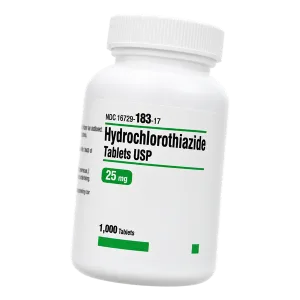
Hydrochlorothiazide
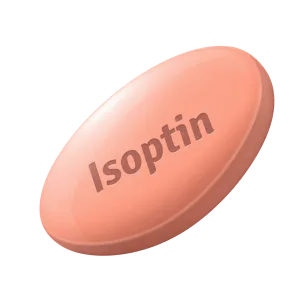
Isoptin Current
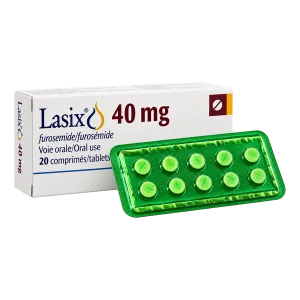
Lasix
Common questions
What is the best time of day to take Isoptin?
The best time depends on the prescribed formulation and dosing schedule. Health Canada product information from 2024 supports taking verapamil at consistent times so that blood levels remain predictable; the exact schedule is individualized rather than universal. Taking it at the same time as a regular daily habit can reduce missed doses, while modified-release tablets must be swallowed according to their specific instructions.
Can older adults take Isoptin?
Older adults may use verapamil when the indication and cardiac status support it. Guidance from the WHO in 2023 emphasizes careful attention to multiple medicines, kidney function, blood pressure and falls risk in older patients receiving cardiovascular treatment. A lower starting amount or slower adjustment may be selected when sensitivity to dizziness, constipation or a slow pulse is a concern.
How does Isoptin differ from the closest alternatives?
Isoptin contains verapamil, which slows atrioventricular-node conduction as well as relaxing arteries. Diltiazem has a related mechanism, while amlodipine has a more vascular action and usually less direct effect on cardiac conduction. The European Medicines Agency described these class differences in cardiovascular product information in 2024; the suitable option depends on the rhythm, ventricular function, pulse and interacting medicines.
How long does one Isoptin dose keep working?
The duration depends on whether the tablet is immediate release or modified release, as well as the person’s metabolism and prescribed schedule. Health Canada information from 2024 distinguishes release characteristics because they affect how verapamil exposure is maintained. Do not take an extra tablet because the effect seems weaker before the next scheduled dose.
What should I do after a missed Isoptin dose?
Take the missed tablet when remembered unless the next dose is nearly due. If the next dose is close, omit the missed tablet and return to the regular schedule rather than doubling. A 2025 FDA prescribing reference for verapamil warns that excess dosing can increase hypotension, bradycardia and conduction problems; urgent help is needed for fainting, severe weakness, breathing difficulty or a very slow pulse.
Do you offer anonymous delivery?
Your order will be securely packed and shipped within 24 hours. This is exactly what your package will look like (images of an actual item sent). It has the size and look of a regular private letter (24x11x0.7 cm) and its contents cannot be seen.
Customer Feedback on Isoptin
I took Isoptin for blood-pressure control and noticed steadier readings after the treatment settled in. I liked that the plan was easy to follow, with the tablet taken at the same time each day.
Isoptin reduced the racing sensation I had been getting during my rhythm episodes. The improvement was gradual, and after a few weeks I was able to exercise with much less worry about the sudden pounding feeling.
My blood-pressure readings became more consistent after starting Isoptin. I kept a short record of my pulse and readings, which made it easier to see the pattern from week to week.
Sources
- Health Canada (2024). Product Monograph — verapamil hydrochloride.
- U.S. Food and Drug Administration (2025). Prescribing Information — verapamil hydrochloride.
- National Institute for Health and Care Excellence (2019). Hypertension in adults: diagnosis and management (NG136).