Skip to content
Save up to 80%
Ciplox
Active ingredient: Ciprofloxacin

Ciplox

Quality products
24/7 Support
Fast delivery
Delivery from 4 days
Select pack Package Per unit Price

Free delivery on orders from $ 296.00, free express delivery from $ 444.00

Secure Payments
Track your order
Best price guarantee

Ciprofloxacin blocks bacterial DNA replication, allowing Ciplox to treat susceptible bacterial infections when an oral fluoroquinolone is clinically appropriate. How much to use and how often depends on the purpose of use and is agreed with a doctor or pharmacist.

Overview

Ciplox contains ciprofloxacin, a fluoroquinolone antibiotic. The active substance acts against susceptible bacteria by inhibiting DNA gyrase and topoisomerase IV, enzymes required for bacterial DNA copying, repair, and separation.

Dosage and administration

The medicine is taken orally with water. The dose, frequency, and treatment duration are agreed with a doctor or pharmacist according to the purpose of use.

Common administration principles include:

  • Take each dose at the scheduled time.
  • Swallow the tablet with water.
  • Do not take ciprofloxacin at the same time as antacids or mineral supplements.
  • Complete the prescribed course unless a serious reaction requires urgent medical assessment.
  • If a dose is missed, take it when remembered unless the next dose is due soon; do not double the dose.

Food does not make every ciprofloxacin regimen unsuitable, yet dairy products taken alone can affect absorption. A tablet swallowed with a meal that contains dairy is not the same as taking it together with a glass of milk or yoghurt as the only accompanying food. The timing instructions from the prescriber or pharmacist take priority for the specific treatment plan.

Patients with kidney disease may need a different regimen because ciprofloxacin is cleared partly through the kidneys.

Do not crush, chew, or split the tablet unless the product instructions and pharmacist confirm that this is appropriate. Changing the tablet can make swallowing harder and may interfere with the intended dose.

Formulation

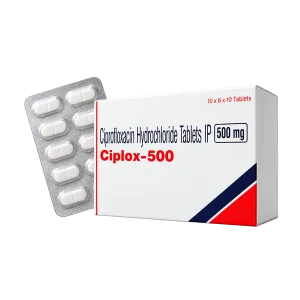
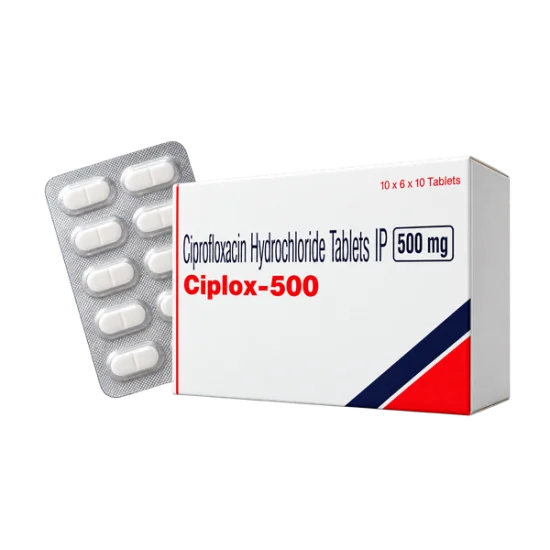
Ciplox tablets contain ciprofloxacin hydrochloride. How much to use and how often depends on the purpose of use and is agreed with a doctor or pharmacist.

How it affects the body

The active substance acts against susceptible bacteria by inhibiting DNA gyrase and topoisomerase IV, enzymes required for bacterial DNA copying, repair, and separation. This interference stops bacterial multiplication and can lead to bacterial cell death. Ciprofloxacin does not treat viral illnesses such as influenza or uncomplicated viral colds. [1]

Therapeutic indications

Ciplox tablets are used for susceptible bacterial infections when ciprofloxacin is an appropriate choice.

A urinary infection, intestinal infection, respiratory infection, bone infection, or skin infection may require different regimens. The same strength must not be treated as a universal dose for every diagnosis.

Ciprofloxacin may be selected when the suspected organism is susceptible and another antibiotic is unsuitable.

Common mistakes

Several practical errors can reduce treatment success or increase harm:

  • Taking every dose with milk or yoghurt as the only accompanying food.
  • Swallowing ciprofloxacin together with iron, zinc, calcium, magnesium, or aluminium.
  • Stopping as soon as fever falls without confirming the treatment plan.
  • Doubling the next dose after a missed tablet.
  • Continuing strenuous running or jumping after tendon pain begins.
  • Taking leftover antibiotics for a new illness.
  • Sharing tablets with a family member who has similar symptoms.
  • Ignoring severe diarrhea because it began during antibiotic treatment.
  • Failing to mention warfarin, corticosteroids, diabetes treatment, or tizanidine.
  • Driving after dizziness or altered concentration appears.
Keep a simple dose record on your phone or calendar. It helps prevent both missed doses and accidental double dosing, especially when fever or diarrhea disrupts normal routines.

Another common mistake is judging the antibiotic by symptom relief alone. Pain may improve before the infection has resolved, while inflammation may persist after bacterial growth has been controlled. The treatment plan should be changed only after clinical reassessment.

When not to use it

Ciplox is not suitable for everyone. It should not be used by a person with a previous serious allergic reaction to ciprofloxacin, another quinolone, or a related fluoroquinolone. It should not be combined with tizanidine because ciprofloxacin can substantially increase tizanidine exposure and cause pronounced low blood pressure and sedation.

Extra caution or a different antibiotic may be needed in the following situations:

  • Previous tendon disorder linked to a quinolone.
  • Myasthenia gravis.
  • Known heart-rhythm disorder or prolonged QT interval.
  • Low potassium or low magnesium.
  • Seizure disorder or a condition that lowers the seizure threshold.
  • Significant kidney impairment.
  • Aortic aneurysm or a known risk of aortic disease.
  • Pregnancy or breastfeeding.
  • Use of systemic corticosteroids.
  • Use of warfarin or another anticoagulant.
  • Use of diabetes medicines.
  • Use of medicines that affect heart rhythm.
  • Previous severe psychiatric or neurological reaction to a fluoroquinolone.

Ciprofloxacin may increase the effect of warfarin and require closer anticoagulation monitoring. It can also interact with theophylline, methotrexate, duloxetine, phenytoin, ciclosporin, and some medicines processed through the kidneys or liver. Antacids and mineral supplements can reduce absorption even when no allergy is present.

When this is not for you

This medication is not for you if you have had a serious quinolone reaction, use tizanidine, or develop tendon pain, severe neurological symptoms, or a serious allergic reaction after starting treatment.

Possible side effects

Ciprofloxacin can cause digestive symptoms, headache, dizziness, sleep disturbance, nausea, vomiting, diarrhea, or an unpleasant taste. Mild effects may settle during treatment, but diarrhea that is severe, persistent, bloody, or accompanied by abdominal cramping requires medical assessment because antibiotic-associated colitis can occur.

Other reactions require prompt attention:

  • Pain, swelling, stiffness, or inflammation in a tendon, especially the Achilles tendon.
  • Numbness, burning, tingling, weakness, or altered sensation.
  • Marked anxiety, confusion, hallucinations, severe insomnia, or other sudden mental changes.
  • Palpitations, fainting, or an irregular heartbeat.
  • Severe rash, facial swelling, breathing difficulty, or blistering skin.
  • Yellowing of the skin, dark urine, or unusual liver-related symptoms.
  • Major changes in blood glucose, especially in people using diabetes medicines.

Tendon problems may appear during treatment or after the course has finished. The risk is higher in older adults, people taking corticosteroids, transplant recipients, and patients with kidney disease. Fluoroquinolones can also aggravate muscle weakness in people with myasthenia gravis.

A bitter or altered taste can occur with some antibiotic treatments, although it is more commonly discussed with local preparations. Ciplox tablets can also cause dizziness, which may affect driving or work requiring balance.

Pain or swelling near the heel, shoulder, hand, or knee is not a side effect to “push through.” Stop strenuous exercise and obtain urgent medical advice if tendon symptoms develop during ciprofloxacin treatment.

Rare blood, liver, kidney, and heart-related reactions are described in regulatory safety information. The risk profile is influenced by the patient’s medical history and concurrent medicines, so the full medication list matters before treatment begins. [3]

Comparison

Antibiotic selection should follow the infection site, bacterial susceptibility, allergy history, kidney function, and local resistance data. A broader spectrum does not automatically make one antibiotic the best choice.

Antimicrobial approach Main distinction
Ciprofloxacin Fluoroquinolone that inhibits bacterial DNA gyrase and topoisomerase IV
Levofloxacin Fluoroquinolone with a different antibacterial spectrum and dosing profile
Amoxicillin Beta-lactam antibiotic that interferes with bacterial cell-wall construction

Levofloxacin may be considered for different infection patterns, while amoxicillin is used when the causative organism is susceptible to a beta-lactam. These medicines are not interchangeable by tablet strength or treatment duration.

The European Medicines Agency has restricted some fluoroquinolone uses because disabling or potentially long-lasting effects involving tendons, nerves, muscles, joints, and the nervous system can occur. Ciprofloxacin should therefore be reserved for situations where its expected benefit justifies those risks. [2]

What doctors say

In clinical practice, doctors usually assess three questions before selecting ciprofloxacin: which organism is likely, whether the infection is severe enough to require treatment, and whether a safer suitable antibiotic is available. A prescription for a 500 mg tablet does not reveal the correct frequency or duration without knowing the infection and kidney function.

A physician will also ask about tendon problems, neurological symptoms, heart rhythm conditions, kidney disease, pregnancy, corticosteroid treatment, anticoagulants, diabetes medicines, and mineral supplements. These details can change the antibiotic choice or the monitoring plan.

The expected result is improvement in infection-related symptoms, not instant relief after the first tablet. Fever, pain, urinary symptoms, or diarrhea may take time to settle even when the bacteria are responding. Worsening symptoms, new severe symptoms, or no meaningful improvement within the timeframe given for the infection require reassessment rather than automatic continuation.

Ciprofloxacin should be used only when the likely benefit is clear. The FDA label warns about serious reactions affecting tendons, nerves, muscles, joints, and the central nervous system, with some reactions potentially persisting after treatment ends. [4]

Comparison

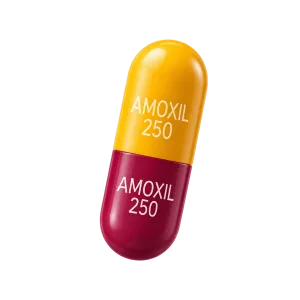
Amoxil

Active ingredient: Amoxicillin
250mg 500mg
From $ 115.44
pills
3.7 (5)

Bactrim

Active ingredient: Sulfamethoxazole, Trimethoprim
480mg 960mg
From $ 137.64
pills
4.2 (5)

Chloramphenicol

Active ingredient: Chloramphenicol
500mg
From $ 285.64
pills
4.5 (3)

Ciplox Current

Active ingredient: Ciprofloxacin
500mg 250mg
From $ 118.40
pills
3.8 (3)

Cipro

Active ingredient: Ciprofloxacin
250mg 500mg 750mg
From $ 149.48
pills
3.8 (5)

Comparison table: Antibiotics

Common questions

Which condition rules out Ciplox?

A previous serious allergic reaction to ciprofloxacin or another fluoroquinolone rules out Ciplox. Tizanidine use is also a specific contraindication because ciprofloxacin can greatly increase tizanidine levels. Health Canada (2023) safety information also supports careful review in people with tendon disease, myasthenia gravis, significant rhythm disorders, or previous severe reactions to quinolones. [5]

What should I do if the expected result does not come?

Contact the prescribing clinician if symptoms worsen, new symptoms appear, or the expected improvement does not occur within the timeframe provided for the infection. The cause may be antibiotic resistance, an incorrect diagnosis, an abscess, a viral illness, or a complication requiring different treatment. WHO antimicrobial stewardship principles published in 2023 support reassessment rather than simply extending or repeating an antibiotic course.

What should I do after a missed dose?

Take the missed Ciplox dose when remembered unless the next scheduled dose is close. In that situation, skip the missed dose and continue with the normal schedule. The FDA prescribing information from 2016 advises against taking two doses together because doubling increases exposure without reliably improving treatment.

Which symptoms mean stopping Ciplox and seeking urgent medical help?

Stop treatment and seek urgent medical help for tendon pain or swelling, severe numbness or tingling, serious mood or neurological changes, fainting, severe palpitations, or a severe allergic reaction. Bloody or persistent diarrhea also requires prompt assessment. The EMA’s 2018 fluoroquinolone safety review describes tendon, nerve, musculoskeletal, and nervous-system reactions that may be serious or prolonged.

Can I drive, concentrate, or work with machinery while taking Ciplox?

Ciprofloxacin can cause dizziness, sleep disturbance, tremor, confusion, or changes in concentration in some people. Avoid driving, climbing, or operating machinery until you know how Ciplox affects you. The FDA label from 2016 does not determine individual medicine effects; the practical decision depends on symptoms, alertness, and the safety demands of the task.

Can I drink alcohol while using Ciplox?

Alcohol is not known to create the same specific reaction associated with certain other antibiotics, yet it can worsen dizziness, nausea, dehydration, and impaired concentration. Avoid alcohol if you feel unwell or dizzy, and do not drive after drinking. Health Canada (2023) patient-safety information supports limiting factors that can make antibiotic adverse effects harder to recognize or manage.

Do you offer anonymous delivery?

Your order will be securely packed and shipped within 24 hours. This is exactly what your package will look like (images of an actual item sent). It has the size and look of a regular private letter (24x11x0.7 cm) and its contents cannot be seen.

Risks of Prolonged Corticosteroid Combination Therapy

Ciplox tablets contain ciprofloxacin and are not a corticosteroid combination product. Steroid-related warnings apply to a different formulation, not to the oral tablet described here. Long-term self-medication with steroid-containing eye or ear drops can raise intraocular pressure and contribute to glaucoma, but that issue does not describe Ciplox tablets.

The relevant oral ciprofloxacin concern is prolonged or unnecessary antibiotic exposure. Extended use can select resistant bacteria, disturb the intestinal microbiome, and increase the chance of adverse reactions. Treatment should match the diagnosed or strongly suspected infection rather than continue simply because tablets remain.

Customer Feedback on Ciplox

3.8
Based on 3 reviews
Harry C., 41 Nanaimo Several days
Verified
Rating: 4 out of 5

Nanaimo, took the prescribed Ciplox tablets for a bacterial infection and noticed that the fever and urinary discomfort had eased after several days. He finished the course using the prescribed dose for the prescribed duration and felt satisfied that the symptoms had cleared.

Nov 12, 2026
Simon, 32 Barrie The prescribed duration
Verified
Rating: 3 out of 5

Barrie, used Ciplox for a confirmed infection and noticed improvement, but the result was slower than expected. He used the prescribed dose for the prescribed duration, but mild stomach upset made the course inconvenient, and he contacted his doctor before making any change.

Nov 18, 2026
Graham, 50 Red Deer The prescribed duration
Verified
Rating: 4.5 out of 5

Red Deer, took Ciplox as prescribed and reported that the infection-related pain reduced steadily during the course. He took the prescribed dose for the prescribed duration, found the tablets easy to swallow, and returned to normal activities after recovery.

Oct 21, 2026

Sources

  1. World Health Organization (2023). The WHO AWaRe Antibiotic Book: Antibiotic treatment for common infections in children and adults.
  2. European Medicines Agency (2018). Quinolone- and fluoroquinolone-containing medicinal products: referral procedure.
  3. U.S. Food and Drug Administration (2016). CIPRO (ciprofloxacin hydrochloride) tablets: prescribing information.
  4. U.S. Food and Drug Administration (2018). Fluoroquinolone antibacterial drugs: Drug Safety Communication.
  5. Health Canada (2023). Ciprofloxacin: Canadian product monograph and safety information.
Get our free app Shop faster and track your orders 4.0 · 472 reviews Install