Skip to content
Save up to 80%
Cipro
Active ingredient: Ciprofloxacin

Cipro

Quality products
24/7 Support
Fast delivery
Delivery from 4 days
Select pack Package Per unit Price

Free delivery on orders from $ 296.00, free express delivery from $ 444.00

Secure Payments
Track your order
Best price guarantee

Cipro tablets contain ciprofloxacin, a fluoroquinolone antibiotic for selected bacterial infections in adults. It is used when laboratory results, infection severity, or bacterial resistance make this type of treatment appropriate.

Overview

Cipro contains ciprofloxacin, a synthetic fluoroquinolone antibiotic. The drug is bactericidal, which means it kills susceptible bacteria by disrupting enzymes required for bacterial DNA maintenance [1].

Dosage and administration

The amount per intake is set individually for each person rather than being one fixed number. The tablet strength does not mean that every infection requires the same number of tablets or the same treatment duration.

Typical prescribing decisions consider:

  • The infection site and severity.
  • Culture and susceptibility results.
  • Kidney function.
  • Age and body weight where clinically relevant.
  • Previous antibiotic exposure.
  • Interacting medicines.
  • Whether the infection involves tissues that require prolonged treatment.

Cipro tablets are taken by mouth with water. They should be swallowed whole unless a prescriber or dispensing pharmacist has provided different instructions. Treatment duration varies from a short course for some infections to a longer course for prostatitis, bone infection, complicated infection, or specialist-managed anthrax exposure.

If a dose is missed, the appropriate action depends on how close the next scheduled dose is. Taking two doses together can increase adverse effects and should not be used to compensate for a missed tablet.

A practical way to reduce dosing errors is to link each dose with a regular daily activity, while keeping mineral supplements and antacids outside the separation window provided by the prescriber.

Fluids can help maintain hydration during treatment, unless a clinician has prescribed fluid restriction. Diarrhoea that is severe, persistent, bloody, or accompanied by fever may indicate antibiotic-associated colitis and needs prompt medical assessment.

Separate ciprofloxacin from calcium, iron, magnesium, zinc, and aluminium products according to the prescriber’s specific timing instructions. Taking both at the same time can leave too little antibiotic available for absorption.

Formulation

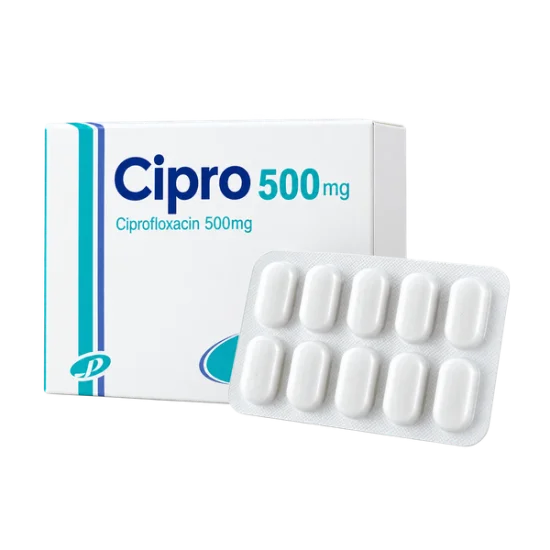
Cipro is supplied as oral tablets containing ciprofloxacin. The active ingredient is ciprofloxacin. The pharmacological class is fluoroquinolone antibiotic.

How it affects the body

Bacteria must copy and unwind their DNA before they can divide. Ciprofloxacin inhibits two enzymes that control this process:

  • DNA gyrase: especially important for DNA handling in many Gram-negative bacteria.
  • Topoisomerase IV: helps separate newly copied bacterial DNA, with a major role in many Gram-positive organisms.
  • Combined enzyme disruption: causes DNA breaks and prevents bacterial multiplication.

The result is rapid bacterial cell death when the organism is susceptible. Human cells do not use bacterial DNA gyrase or topoisomerase IV, which explains the drug’s selective antibacterial action, although fluoroquinolones can still produce important adverse effects in human tissues.

Therapeutic indications

Ciprofloxacin is used for selected bacterial infections involving the urinary tract, prostate, gastrointestinal tract, respiratory system, skin, bones, joints, and bloodstream. The precise indication depends on the organism, infection severity, kidney function, age, pregnancy status, and other medicines.

Common clinical settings include:

  • Complicated urinary tract infections.
  • Acute pyelonephritis, which is a bacterial kidney infection.
  • Selected cases of cystitis caused by susceptible bacteria.
  • Bacterial prostatitis.
  • Certain complicated intra-abdominal infections, often with additional anaerobic coverage when clinically required.
  • Selected lower respiratory infections when the causative organism and clinical situation support ciprofloxacin.
  • Respiratory infections associated with cystic fibrosis when susceptible Gram-negative organisms are involved.
  • Certain bone, joint, skin, or soft-tissue infections.
  • Selected gastrointestinal infections caused by susceptible bacteria.
  • Anthrax treatment or post-exposure management under specialist and public-health direction.

Ciprofloxacin is not a universal treatment for respiratory symptoms. Its activity against Streptococcus pneumoniae is not the main reason clinicians select it for ordinary community-acquired pneumonia. A different antibiotic class may provide better coverage for that setting.

For cystitis, clinicians weigh resistance rates and adverse-effect risk before choosing a fluoroquinolone. For pyelonephritis or prostatitis, tissue penetration and the suspected organism may make ciprofloxacin more useful. Intra-abdominal infections often require coverage for several bacterial groups, so ciprofloxacin may be combined with another agent rather than used alone.

Anthrax is a rare indication. Ciprofloxacin may be used because Bacillus anthracis can be susceptible, but treatment decisions require public-health and infectious-disease oversight. The same principle applies to serious bloodstream infections: the infection source and culture result guide the regimen.

Common mistakes

Several practical errors can reduce treatment success or increase harm:

  • Taking ciprofloxacin with an aluminium, magnesium, iron, calcium, or zinc product.
  • Stopping after one or two doses because symptoms improve, unless a serious reaction requires immediate cessation and medical review.
  • Doubling the next dose after forgetting one.
  • Continuing running or heavy lifting after tendon pain begins.
  • Driving while dizzy, confused, unusually sleepy, or visually affected.
  • Sharing leftover tablets with another person.
  • Using ciprofloxacin for a new infection based only on a previous prescription.
  • Failing to mention clozapine, tizanidine, warfarin, or corticosteroid treatment.
  • Assuming diarrhoea is harmless when it is persistent, bloody, or associated with fever.
  • Treating a missed dose by taking tablets closer together than prescribed.
Keep the names of every prescription medicine, supplement, and antacid available during a medication review. The interaction risk often comes from a non-prescription mineral product rather than from another antibiotic.

When not to use it

Cipro is not suitable for everyone. It is not for you if you have had a serious allergic reaction to ciprofloxacin or another quinolone, or if you are taking tizanidine.

Extra caution or an alternative antibiotic may be required with:

  • Previous fluoroquinolone-related tendon injury.
  • Myasthenia gravis.
  • A history of seizures.
  • Peripheral neuropathy.
  • Significant kidney impairment.
  • Known QT prolongation or serious heart rhythm disease.
  • Aortic aneurysm or major risk factors for aortic disease.
  • Severe liver disease.
  • Current systemic corticosteroid treatment.
  • Clozapine, theophylline, warfarin, methotrexate, or probenecid use.
  • Pregnancy or breastfeeding.

When this is not for you

Pregnancy and breastfeeding require an individual risk assessment. Ciprofloxacin crosses into breast milk, and treatment decisions should account for the infection, alternative antibiotics, and potential infant exposure.

Older adults need special attention because kidney function may decline without obvious symptoms. Reduced clearance can increase ciprofloxacin exposure, while corticosteroid use can raise tendon risk.

Possible side effects

Common reactions include nausea, diarrhoea, abdominal discomfort, headache, dizziness, and sleep disturbance. These effects may be mild, though they can interfere with work, driving, or normal activity.

Fluoroquinolone-specific reactions require more attention:

  • Tendon pain or swelling, especially in the Achilles tendon.
  • Muscle weakness or difficulty walking.
  • Tingling, burning, numbness, or altered sensation.
  • New anxiety, agitation, confusion, hallucinations, or severe insomnia.
  • Palpitations or fainting.
  • Severe skin reactions.
  • Marked sensitivity to sunlight.
  • Persistent or bloody diarrhoea.
  • Sudden severe chest, abdominal, or back pain.

Tendon injury can occur during treatment or after the final tablet. The risk is higher in older adults, people taking systemic corticosteroids, transplant recipients, and those with previous tendon disorders. Physical exertion should be reduced if tendon pain develops.

Do not try to “walk off” new Achilles pain during ciprofloxacin treatment. Continuing strenuous exercise after tendon symptoms begin can worsen the injury.

A mild metallic taste or transient stomach upset is different from nerve symptoms or tendon pain. Tingling, burning, weakness, or persistent numbness should not be ignored.

Ciprofloxacin may also increase the risk of sunburn. Protective clothing and limiting intense sunlight are sensible precautions during treatment, especially for people who react strongly to ultraviolet exposure.

Comparison

Ciprofloxacin is chosen by mechanism and bacterial coverage, not simply by the presence of an infection symptom.

Treatment approach Typical clinical distinction
Ciprofloxacin Strong Gram-negative activity; useful for selected urinary, gastrointestinal, prostate, and Pseudomonas-related infections
Narrow-spectrum antibiotic Preferred when the identified organism is susceptible and focused coverage is sufficient
Non-fluoroquinolone broad-spectrum antibiotic May be selected when fluoroquinolone toxicity, resistance, pregnancy, or local guidance makes ciprofloxacin unsuitable

Ciprofloxacin’s advantages include oral availability, penetration into the prostate and urinary tissues, and activity against several clinically important Gram-negative bacteria. Its limitations include resistance, interaction potential, and rare but serious damage involving tendons, nerves, muscles, blood vessels, or the heart.

A culture-directed narrow-spectrum antibiotic is often preferable when it can treat the organism. Ciprofloxacin may be reserved for situations where its spectrum or tissue distribution offers a clear clinical benefit.

What doctors say

Clinicians generally reserve ciprofloxacin for infections where its bacterial spectrum and tissue distribution justify the risks. A doctor will often ask about kidney function, tendon problems, neurological symptoms, heart rhythm history, pregnancy, and current medicines before selecting it.

The most useful clinical distinction is between a susceptible bacterial infection and a symptom that merely resembles one. Burning urination, cough, diarrhoea, and fever have several possible causes. Antibiotics do not treat viruses, fungi, or non-infectious inflammation.

Doctors also pay attention to treatment response. Worsening fever, flank pain, vomiting, confusion, low blood pressure, or new breathing difficulty can indicate a complicated infection that requires urgent assessment rather than a simple change in tablet timing.

Health Canada’s fluoroquinolone safety information emphasizes prompt evaluation of serious tendon, nerve, psychiatric, cardiovascular, and severe allergic reactions. The EMA has issued similar restrictions because some reactions can persist after treatment ends [2].

Comparison

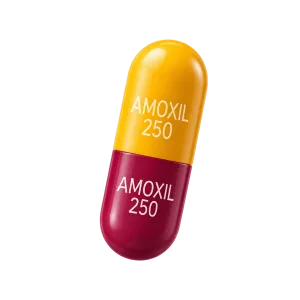
Amoxil

Active ingredient: Amoxicillin
250mg 500mg
From $ 115.44
pills
3.7 (5)

Bactrim

Active ingredient: Sulfamethoxazole, Trimethoprim
480mg 960mg
From $ 137.64
pills
4.2 (5)

Chloramphenicol

Active ingredient: Chloramphenicol
500mg
From $ 285.64
pills
4.5 (3)

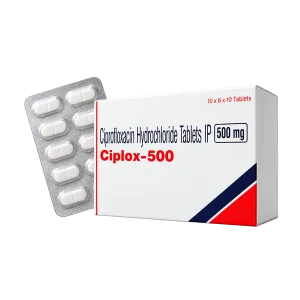
Ciplox

Active ingredient: Ciprofloxacin
500mg 250mg
From $ 118.40
pills
3.8 (3)

Cipro Current

Active ingredient: Ciprofloxacin
250mg 500mg 750mg
From $ 149.48
pills
3.8 (5)

Comparison table: Antibiotics

Common questions

What happens when Cipro is stopped, and does it need tapering?

Ciprofloxacin is an antibiotic, so it does not require tapering in the way some corticosteroids or psychiatric medicines do. A prescribed course should be completed unless a serious reaction occurs or a clinician changes the treatment. Stopping early can leave surviving bacteria and contribute to treatment failure, while continuing after a serious tendon, nerve, allergic, or cardiac reaction can be dangerous. Health Canada’s 2023 fluoroquinolone safety information supports immediate medical assessment for serious reactions rather than gradual dose reduction. A clinician can select an alternative when a serious reaction occurs.

Can older adults take Cipro?

Older adults can receive ciprofloxacin when the infection, kidney function, and interaction profile support its use. Age-related reduction in kidney clearance may require an adjusted regimen, and the risks of tendon injury, confusion, peripheral neuropathy, and heart rhythm disturbance deserve attention. Corticosteroids increase tendon risk further. EMA safety guidance from 2019 identifies older age and corticosteroid treatment as important factors when assessing fluoroquinolone therapy.

Which symptoms mean stopping Cipro and seeking urgent medical help?

Urgent assessment is needed for tendon pain or swelling, sudden weakness, numbness, burning sensations, severe confusion, hallucinations, fainting, palpitations, facial swelling, breathing difficulty, or a widespread blistering rash. Sudden severe chest, stomach, or back pain also requires emergency evaluation. Persistent watery or bloody diarrhoea with fever can signal antibiotic-associated colitis. The EMA’s 2019 review of fluoroquinolone restrictions describes these reactions as potentially serious and sometimes prolonged.

Can Cipro be taken with food or on an empty stomach?

Ciprofloxacin tablets may be taken with food when this improves stomach tolerance, but they should not be taken at the same time as products containing calcium, magnesium, aluminium, iron, or zinc. Milk or yoghurt taken alone with the tablet can also reduce absorption because of calcium binding. A consistent schedule makes separation from minerals easier. The FDA-approved ciprofloxacin prescribing information, reviewed in 2022, gives specific administration warnings for antacids and mineral-containing products.

Is Cipro suitable during pregnancy or breastfeeding?

Pregnancy and breastfeeding require a case-by-case decision based on the infection and available alternatives. Ciprofloxacin passes into breast milk, so the potential benefit of treating the parent must be balanced against infant exposure. A serious untreated bacterial infection may itself create substantial risk. WHO’s 2022 guidance on antibiotic use supports selecting treatment according to infection severity, susceptibility, and patient-specific factors rather than using a single rule for every pregnancy or breastfeeding situation.

What is the best time of day to take Cipro?

The best time is the schedule prescribed for the individual infection, taken at evenly spaced intervals when more than one daily dose is required. Morning or evening is less important than maintaining the prescribed interval and separating the tablet from mineral products and antacids. Taking it with water can make the routine easier and may reduce stomach discomfort. Health Canada’s 2023 safety information supports consistent administration while monitoring for tendon, nerve, psychiatric, allergic, and cardiac symptoms.

Do you offer anonymous delivery?

Your order will be securely packed and shipped within 24 hours. This is exactly what your package will look like (images of an actual item sent). It has the size and look of a regular private letter (24x11x0.7 cm) and its contents cannot be seen.

Customer Feedback on Cipro

3.8
Based on 5 reviews
Colin R., 55 Lethbridge Several days
Verified
Rating: 3 out of 5

Lethbridge, took the prescribed 500 mg ciprofloxacin tablets for several days for a complicated urinary infection. The urinary pain improved after several days, but the course caused mild nausea and felt harder on his stomach than previous antibiotics.

Nov 13, 2026
Simon F., 43 Quebec City A few days
Verified
Rating: 4 out of 5

Quebec City, used the prescribed ciprofloxacin dose for a few days for a culture-confirmed bacterial infection. His fever settled within a few days, and he was satisfied that the tablets allowed him to complete treatment at home.

Nov 19, 2026
Stephen N., 38 Peterborough Several days
Verified
Rating: 4 out of 5

Peterborough, reported that the prescribed ciprofloxacin dose for several days helped clear a recurrent urinary infection after laboratory testing identified a susceptible bacterium. He found the tablets straightforward to take with water and had no continuing symptoms by the end of treatment.

Oct 21, 2026
Adam, 37 Sudbury Several days
Verified
Rating: 5 out of 5

Sudbury, described a clear improvement in bacterial gastrointestinal symptoms during the prescribed ciprofloxacin course of several days. He appreciated that the treatment was oral and noticed the main benefit after the first few days.

Oct 30, 2026
Jack D., 67 St. Catharines Several days
Verified
Rating: 3 out of 5

St. Catharines, took the prescribed ciprofloxacin dose for several days for a complicated infection and experienced meaningful improvement, though he developed tendon discomfort that led to treatment being stopped and reviewed by his doctor. The experience made him more attentive to interactions and warning symptoms.

Nov 11, 2026

Sources

  1. Health Canada (2023). Canadian Product Monograph: Ciprofloxacin Tablets.
  2. European Medicines Agency (2019). Quinolone- and Fluoroquinolone-Containing Medicinal Products: Disabling and Potentially Permanent Side Effects.
Get our free app Shop faster and track your orders 4.0 · 472 reviews Install