Skip to content
Save up to 80%
Doxycycline
Active ingredient: Doxycycline

Doxycycline

Quality products
24/7 Support
Fast delivery
Delivery from 4 days
Select pack Package Per unit Price

Free delivery on orders from $ 296.00, free express delivery from $ 444.00

Secure Payments
Track your order
Best price guarantee

Doxycycline is a tetracycline antibiotic used for selected bacterial infections and inflammatory scalp conditions such as lichen planopilaris and folliculitis decalvans. Its regimen for the chosen strength should be confirmed with a healthcare professional before starting, while its mechanism can reduce bacterial protein production and inflammatory activity.

Overview

Doxycycline belongs to the tetracycline class of antibiotics. It acts mainly by binding to the bacterial 30S ribosomal subunit, which prevents bacteria from producing proteins needed for growth and reproduction.

Dosage and administration

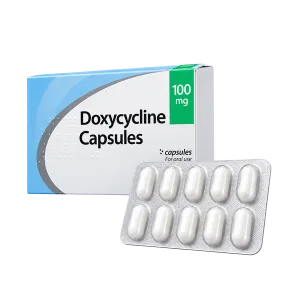
Doxycycline is supplied here as an oral capsule. The regimen for the chosen strength must be confirmed with a healthcare professional before starting, because the dose and duration depend on the infection or inflammatory condition being treated.

Use the capsule in the following way:

  • Swallow it whole with a full glass of water.
  • Remain sitting or standing for at least 30 minutes after taking it.
  • Take each dose at the same time each day when a regular schedule has been prescribed.
  • Do not crush, chew, or open the capsule unless a prescriber gives specific instructions.
  • Complete the prescribed course for an infection, even if symptoms improve sooner.
  • If a dose is missed, take it when remembered unless the next dose is close; skip the missed dose rather than doubling.

Taking doxycycline with plenty of water reduces the chance of oesophageal irritation. A capsule taken immediately before lying down is a common cause of painful swallowing or chest discomfort.

Food instructions depend on the formulation and the prescriber’s directions. Mineral-containing foods and supplements can reduce absorption, so separation from calcium, iron, magnesium, aluminium, and zinc is often used as a practical precaution.

Do not take the capsule just before bed. A simple routine is to take it with water after sitting upright, then remain upright while completing another activity.

Formulation

Doxycycline belongs to the tetracycline class of antibiotics and acts mainly by binding to the bacterial 30S ribosomal subunit, preventing bacterial protein production needed for growth and reproduction.

How it affects the body

The result is usually bacteriostatic activity: bacterial multiplication is slowed while the immune system clears the infection.

Doxycycline also has anti-inflammatory effects that extend beyond direct antimicrobial action. In dermatology, clinicians may use its ability to reduce neutrophil activity and matrix metalloproteinase signalling when treating selected inflammatory disorders. These effects help explain its use in conditions such as lichen planopilaris and folliculitis decalvans, where inflammation can damage hair follicles and contribute to scarring.

Therapeutic indications

Lichen planopilaris is an inflammatory scarring hair-loss disorder. Folliculitis decalvans is a chronic neutrophil-driven scalp condition that can produce pustules, crusting, tenderness, and permanent follicular damage. Doxycycline may be selected when reducing inflammatory activity is an important treatment goal.

The benefit in these disorders does not depend only on killing bacteria. Suppression of neutrophil-driven inflammation and matrix metalloproteinases may reduce tissue injury, although response varies and treatment often requires specialist monitoring.

Scalp inflammation can continue beneath the surface even when visible redness improves. Changes in shedding, tenderness, pustules, or scalp sensitivity are useful details to report during follow-up.

Doxycycline has been evaluated across infectious-disease and dermatology settings, with prescribing decisions based on the suspected organism, infection site, resistance patterns, and patient factors [1].

Common mistakes

Several habits can reduce treatment benefit or increase avoidable discomfort:

  • Taking the capsule with only a sip of water.
  • Going to bed immediately after swallowing it.
  • Taking it at the same time as iron, zinc, calcium, magnesium, or an antacid.
  • Stopping an infection course as soon as fever or pain improves.
  • Treating a missed dose by taking two capsules together.
  • Spending prolonged time in direct sunlight without protection.
  • Using leftover antibiotics for a new illness.
  • Assuming diarrhoea is harmless when it is severe, persistent, watery, or bloody.
  • Taking isotretinoin at the same time without a specific medical review.
  • Continuing treatment despite painful swallowing or severe heartburn.
Keep mineral supplements and doxycycline in separate daily routines. For example, doxycycline can be taken earlier, while a supplement is scheduled later according to the separation interval provided by the prescriber.

A further mistake is judging the treatment only by how quickly one symptom changes. In inflammatory scalp disease, the goal may be to slow progression and reduce follicular inflammation rather than restore already lost hair.

When not to use it

Doxycycline is not suitable for everyone. It should not be used by people with a known serious allergy to doxycycline or other tetracycline antibiotics.

Doxycycline can affect developing teeth and bone, although short courses may be considered in children when the clinical benefit is substantial. Age alone does not replace an individual risk assessment.

Tell the prescriber about liver disease, swallowing disorders, severe reflux, kidney or liver medicines, anticoagulants, acne retinoids, antacids, and mineral supplements. Severe or persistent diarrhoea after treatment needs medical assessment because Clostridioides difficile infection can occur after antibiotics.

When this is not for you

This medication is not for you if:

  • You previously had anaphylaxis or a severe skin reaction after a tetracycline.
  • You are taking oral isotretinoin unless the combination has been specifically assessed.
  • You have a history of intracranial hypertension that has not been addressed.
  • You cannot swallow capsules safely or remain upright after taking them.
  • You are pregnant or planning pregnancy without an explicit treatment decision from the prescriber.
  • The intended patient is a young child, unless a specialist has determined that doxycycline is appropriate.

Possible side effects

Doxycycline is often tolerated when taken correctly, but adverse effects can involve the digestive tract, skin, nervous system, and normal microbial flora. The FDA prescribing information identifies gastrointestinal irritation, photosensitivity, headache, rash, and oesophageal injury among recognised risks [2].

Common or clinically relevant effects include:

  • Nausea, stomach discomfort, loose stools, or reduced appetite.
  • Heartburn, painful swallowing, or irritation behind the breastbone.
  • Headache or dizziness.
  • Photosensitivity, causing an exaggerated reaction to sunlight or ultraviolet exposure.
  • Skin rash or itching.
  • Vaginal or oral Candida overgrowth after disruption of normal flora.
  • Diarrhoea during or after treatment.

Weight gain is not a typical direct effect of doxycycline. Changes in appetite, activity, illness, or another medicine may account for weight changes during treatment and should not automatically be attributed to the antibiotic.

Seek urgent medical attention for facial swelling, breathing difficulty, blistering skin, severe skin peeling, intense headache with visual changes, severe watery or bloody diarrhoea, or trouble swallowing that persists. These symptoms can indicate an allergic reaction, serious skin reaction, intracranial hypertension, or antibiotic-associated colitis.

Sun sensitivity may occur even on a cool or cloudy day. Use protective clothing, seek shade, and apply broad-spectrum sunscreen when outdoor exposure is unavoidable.

Candida symptoms can include oral soreness, white patches, vaginal itching, or unusual discharge. Do not self-treat persistent symptoms with leftover medicines.

A sunburn after a short period outdoors can be an early sign of doxycycline photosensitivity. Reduce ultraviolet exposure promptly rather than waiting for the skin reaction to worsen.

One practical detail is easy to miss: chest discomfort after swallowing doxycycline may reflect oesophageal irritation rather than the original illness. Water and an upright position reduce this risk.

Comparison

Doxycycline, minocycline, and macrolide antibiotics differ in tissue distribution, adverse effects, resistance considerations, and suitability for a specific infection. The choice should follow the likely organism and the patient’s medical history rather than convenience alone.

Approach Main pharmacological feature Common clinical limitation
Doxycycline Tetracycline; blocks bacterial protein synthesis and may reduce inflammatory signalling Photosensitivity, oesophageal irritation, and mineral-binding interactions
Minocycline Tetracycline with strong tissue penetration Dizziness, pigmentation changes, and other tolerability concerns
Macrolide antibiotic Binds the 50S ribosomal subunit and inhibits protein synthesis Resistance and cardiac or drug-interaction concerns with some agents

Doxycycline may be favoured when both antimicrobial activity and an anti-inflammatory effect are useful. Minocycline can be considered in selected situations but has a different adverse-effect profile. A macrolide may be preferred when a tetracycline is unsuitable, although local resistance and the suspected pathogen influence the decision.

What doctors say

In clinical practice, physicians usually judge doxycycline by the response of the specific infection or inflammatory disorder, not by symptom relief after a single capsule. Antibiotics do not treat viral colds or influenza, and using them for the wrong cause exposes the patient to adverse effects without treating the underlying illness.

For lichen planopilaris and folliculitis decalvans, a dermatologist may assess scalp tenderness, pustules, redness, scaling, and progression of hair loss over time. Reduced inflammation can take longer than relief from an acute infection. Scarring hair loss may not reverse once a follicle has been destroyed.

Doctors also pay attention to administration habits. A patient who takes doxycycline with a mineral supplement or lies down immediately afterward may experience poor absorption or oesophageal irritation that can be mistaken for treatment failure.

The American Academy of Dermatology acne guideline recognises tetracycline-class antibiotics as options in selected inflammatory skin conditions, with treatment duration and monitoring tailored to the diagnosis [3].

Comparison

Comparison table: Antibiotics

Common questions

Can Doxycycline affect driving, concentration, or machinery work?

Doxycycline can cause headache, dizziness, blurred vision from rare intracranial-pressure effects, or visual disturbance related to a serious adverse reaction. Anyone experiencing dizziness or impaired vision should avoid driving, cycling in traffic, or operating machinery until symptoms resolve and medical advice is obtained. The 2024 EMA safety information for doxycycline-containing medicines identifies visual symptoms and severe headache as warning signs requiring assessment. The concern is symptom-based, not an automatic driving ban for every patient.

Does Doxycycline cause photosensitivity?

Yes, doxycycline can make the skin more sensitive to sunlight and ultraviolet exposure. The reaction may look like an unusually intense sunburn after limited exposure, and it can occur during outdoor activity even when temperatures are mild. The 2024 FDA prescribing information identifies photosensitivity as a recognised adverse reaction, so protective clothing, shade, and broad-spectrum sunscreen are practical precautions. Severe blistering or widespread skin reactions need urgent assessment.

How does Doxycycline differ from minocycline?

Both doxycycline and minocycline are tetracycline antibiotics that interfere with bacterial protein synthesis. Their tissue distribution and adverse-effect profiles differ: doxycycline is strongly associated with photosensitivity and gastrointestinal or oesophageal irritation, while minocycline can cause dizziness and long-term pigmentation changes. The EMA and Health Canada product information, dated 2024 and 2023 respectively, classify both within the tetracycline family, but they are not interchangeable for every infection. The preferred option depends on the diagnosis, resistance pattern, previous reactions, and concurrent medicines.

Which diet, exercise, or habits help Doxycycline work properly?

Taking the capsule with a full glass of water and staying upright helps reduce oesophageal irritation. Separating doxycycline from calcium, iron, magnesium, zinc, and mineral-containing antacids helps protect absorption. Normal light exercise is not known to reduce antibacterial activity, but intense outdoor activity increases ultraviolet exposure and may raise the chance of photosensitivity. WHO antimicrobial-use guidance from 2023 supports completing the prescribed regimen and avoiding unnecessary antibiotic doses.

Which condition rules Doxycycline out?

A serious previous allergy to doxycycline or another tetracycline rules out treatment. A prescriber also needs to assess pregnancy, severe swallowing problems, previous intracranial hypertension, and concurrent isotretinoin use. Severe headache with visual changes during treatment requires urgent evaluation because it may indicate raised intracranial pressure. The 2024 FDA safety information describes these risks as clinically significant rather than minor tolerability issues.

How long does one Doxycycline dose keep working?

A single dose continues to provide antibacterial exposure for several hours, but the exact duration depends on absorption, kidney and liver function, the formulation, and the prescribed schedule. One capsule does not replace the full treatment course or provide protection against a future infection. The 2024 EMA product information uses repeated dosing schedules designed to maintain therapeutic exposure rather than relying on one isolated dose. Do not repeat or shorten the regimen based only on temporary symptom changes.

Do you offer anonymous delivery?

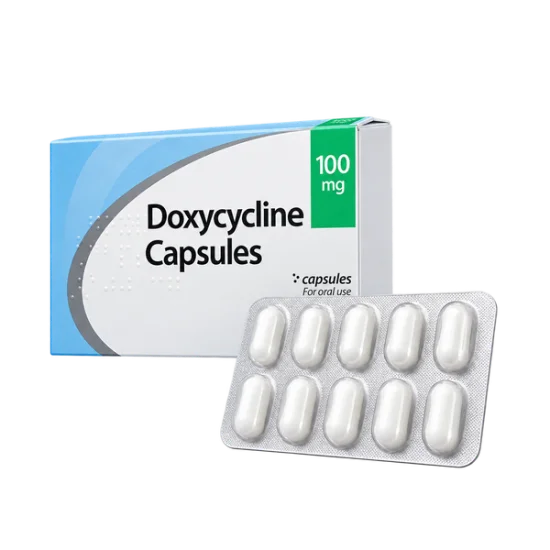
Your order will be securely packed and shipped within 24 hours. This is exactly what your package will look like (images of an actual item sent). It has the size and look of a regular private letter (24x11x0.7 cm) and its contents cannot be seen.

Customer Feedback on Doxycycline

3.8
Based on 4 reviews
James, 31 St. John's
Verified
Rating: 2 out of 5

I took the 100 mg capsules for a skin problem and stopped after several days because the nausea and burning in my chest became too uncomfortable. The symptoms I wanted treated had not improved enough to make the treatment feel worthwhile.

Nov 5, 2026
Jonathan, 57 Quebec City
Verified
Rating: 5 out of 5

The 100 mg course helped settle the infection, and I noticed the fever and soreness easing after a few days. I took each capsule with a large glass of water and stayed upright, which made the routine manageable.

Oct 10, 2026
Liam A., 48 Abbotsford Over the treatment period
Verified
Rating: 4 out of 5

Doxycycline helped reduce the scalp tenderness and inflamed spots over the treatment period. I had to be more careful in the sun than usual, but the improvement was clear enough that I was satisfied with the result.

Oct 24, 2026
Gareth V., 69 London By the end of the prescribed course
Verified
Rating: 4 out of 5

The capsules were straightforward to take when I kept them away from my mineral supplements. The problem improved gradually rather than immediately, and the steady change was more noticeable by the end of the prescribed course.

Oct 16, 2026

Sources

  1. U.S. Food and Drug Administration (2024). Doxycycline Hyclate Prescribing Information
  2. U.S. Food and Drug Administration (2024). Doxycycline: Safety Information and Adverse Reactions
  3. American Academy of Dermatology (2016). Guidelines of Care for the Management of Acne Vulgaris
Get our free app Shop faster and track your orders 4.0 · 269 reviews Install