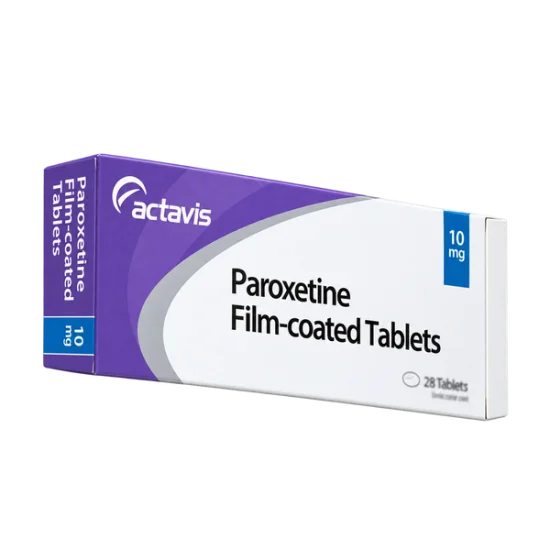
Regina, I used the prescribed paroxetine tablet for about six weeks for persistent anxiety. My worrying became less intrusive, but the first two weeks brought nausea and lighter sleep. The benefit was real, though I needed a planned review rather than judging it after the first few days.
Paroxetine
Adults diagnosed with depression or an anxiety-related disorder may be prescribed Paroxetine when serotonin reuptake needs to be modified. Paroxetine is an SSRI antidepressant that can improve mood and reduce anxiety gradually rather than providing immediate relief.
Overview
It is taken as tablets, with the dose selected according to the diagnosis, age, medical history, response, and other medicines.
Paroxetine contains paroxetine hydrochloride, a selective serotonin reuptake inhibitor (SSRI). SSRIs reduce the reuptake of serotonin between nerve cells, leaving more serotonin available for signalling. This action can support improvement in depression and several anxiety-related disorders.
Active Ingredient and Pharmacological Class
Paroxetine hydrochloride is the active pharmaceutical ingredient. The tablet belongs to the SSRI class, which includes medicines that modify serotonin signalling in the central nervous system.
The clinical decision depends on the diagnosis, age, previous treatment response, medical history, and current medicines. Paroxetine is commonly prescribed for adults. Use in younger people requires a specific clinical assessment because age-related benefits and risks differ.
Serotonin Signalling and Therapeutic Response
Serotonin acts as a chemical messenger between nerve cells. Paroxetine does not simply add serotonin to the brain; it slows the removal of serotonin from the space between nerve cells, allowing signalling to continue for longer.
The brain adapts gradually. Early changes in sleep, appetite, tension, or anxiety may occur before the full antidepressant or anti-anxiety benefit develops.
Dosage and administration
There is no single amount suitable for every patient. Dosing differs between strengths and between users, so the prescriber selects the dose according to the condition, response, tolerability, age, organ function, and formulation.
- Take the prescribed tablet at the scheduled time, usually once daily when that is the prescribed regimen.
- Swallow the tablet with water unless the prescriber gives different instructions.
- Take it consistently at the same general time each day.
- Do not increase the dose because improvement seems slow.
- Do not double the next dose after forgetting one.
- If a dose is missed, follow the missed-dose instructions provided by the prescriber or pharmacist for the specific formulation.
- Do not stop suddenly. Paroxetine often requires a planned taper.
Paroxetine tablets are prescription treatment in Canadian clinical practice. A controlled-release formulation has different release characteristics from an immediate-release tablet.
Immediate-Release and Controlled-Release Formulations
Immediate-release and controlled-release paroxetine should not be treated as interchangeable. Controlled-release tablets should not be crushed or chewed unless the specific product information expressly permits that method, because altering the tablet can change how the medicine is released.
Missed Doses and Treatment Discontinuation
Doubling the next dose is a common mistake. It can increase nausea, dizziness, agitation, tremor, or other adverse effects without restoring the intended treatment pattern.
Sudden discontinuation may cause dizziness, electric-shock sensations, irritability, anxiety, sleep disturbance, sweating, nausea, or flu-like feelings. A tapering plan is usually safer than stopping abruptly, especially after regular treatment.
Formulation
Paroxetine contains paroxetine hydrochloride, a selective serotonin reuptake inhibitor (SSRI). SSRIs reduce the reuptake of serotonin between nerve cells, leaving more serotonin available for signalling. This action can support improvement in depression and several anxiety-related disorders.
Active Ingredient and Pharmacological Class
Paroxetine hydrochloride is the active pharmaceutical ingredient. The tablet belongs to the SSRI class, which includes medicines that modify serotonin signalling in the central nervous system.
The clinical decision depends on the diagnosis, age, previous treatment response, medical history, and current medicines. Paroxetine is commonly prescribed for adults. Use in younger people requires a specific clinical assessment because age-related benefits and risks differ.
Serotonin Signalling and Therapeutic Response
Serotonin acts as a chemical messenger between nerve cells. Paroxetine does not simply add serotonin to the brain; it slows the removal of serotonin from the space between nerve cells, allowing signalling to continue for longer.
The brain adapts gradually. Early changes in sleep, appetite, tension, or anxiety may occur before the full antidepressant or anti-anxiety benefit develops.
How it affects the body
Paroxetine hydrochloride inhibits the serotonin transporter. This transporter normally moves serotonin back into the nerve cell after release. Blocking that process increases serotonin availability between nerve cells.
The pharmacological effect begins after a dose, but emotional improvement takes longer because brain networks need time to adapt. Early nausea, restlessness, altered sleep, or headache can appear before mood improves. A prescriber should review troublesome early effects rather than having the patient increase or reduce the dose independently.
SSRIs work through serotonin pathways. Other antidepressant classes act through different combinations of serotonin, noradrenaline, or dopamine pathways. The choice depends on the clinical problem and the person’s previous response.
Health Canada product information describes paroxetine’s SSRI action and its approved safety warnings, including risks related to serotonin toxicity, withdrawal symptoms, bleeding, and mood changes [1]. The U.S. Food and Drug Administration (FDA) and the National Institute for Health and Care Excellence (NICE) provide additional medicine-safety and treatment guidance.
Therapeutic indications
Paroxetine may be used in the treatment of:
- Depression, including episodes with persistent low mood, loss of interest, hopelessness, or reduced functioning.
- Generalized anxiety disorder, marked by excessive and difficult-to-control worry.
- Panic disorder, involving recurrent panic attacks and fear of further attacks.
- Social anxiety disorder, involving intense fear or avoidance of social or performance situations.
- Obsessive-compulsive disorder, involving intrusive thoughts, repetitive behaviours, or both.
- Post-traumatic stress disorder, involving persistent trauma-related distress, avoidance, hypervigilance, or intrusive memories.
The treatment goal differs by diagnosis. Depression treatment focuses on mood, interest, energy, sleep, thinking, and daily functioning. Anxiety treatment may target persistent worry, panic, avoidance, physical tension, and fear-driven behaviours. OCD and PTSD often require a longer, structured plan that may include exposure-based or trauma-focused psychotherapy.
Paroxetine can reduce symptoms, but it does not replace crisis care, psychotherapy, or support for an unsafe home or trauma environment. A person with new suicidal thoughts needs urgent assessment, especially after starting treatment or changing the dose.
The Health Canada product monograph and the FDA prescribing information describe indication-specific use, formulation differences, and age-related precautions [2].
Common mistakes
Common errors can reduce benefit or increase adverse effects:
- Doubling after a missed dose: this can intensify side effects. Follow the specific missed-dose plan instead.
- Stopping when early nausea appears: early effects may settle, while abrupt stopping can create withdrawal symptoms. Report the problem before making a change.
- Crushing a controlled-release tablet: this may alter medicine release and increase exposure too quickly.
- Expecting immediate relief: serotonin transporter inhibition begins before the full clinical response. Give the planned review period unless urgent symptoms develop.
- Hiding sexual symptoms: untreated sexual dysfunction can lead to unplanned stopping. Mention it directly so the treatment plan can be adjusted.
- Adding St John’s wort, an opioid, or another antidepressant: combined serotonergic activity can increase the risk of serotonin syndrome.
- Reusing an old prescription after a long gap: illness, age, other medicines, and safety risks may have changed.
Alcohol may worsen sleepiness, dizziness, impaired judgement, or mood symptoms. Some people notice more sedation, while others experience poorer sleep or increased anxiety. Avoid driving or hazardous work if alertness is reduced.
When not to use it
Paroxetine is not suitable without specific clinical assessment if you:
- Use an MAOI, thioridazine, or pimozide.
- Take tamoxifen and require treatment for depression or anxiety.
- Have bipolar disorder, previous mania, or unexplained episodes of greatly reduced sleep and unusually high energy.
- Have current suicidal thoughts or a recent suicide attempt.
- Have a seizure disorder.
- Have significant liver or kidney impairment.
- Have a history of low sodium levels.
- Have narrow-angle glaucoma or elevated eye pressure.
- Use anticoagulants, antiplatelet medicines, NSAIDs, or medicines that increase bleeding risk.
- Are pregnant, planning pregnancy, or breastfeeding.
- Are an older adult with multiple medicines or a history of falls.
When this is not for you
Older adults may be more vulnerable to low sodium, dizziness, falls, confusion, and medication interactions. Pregnancy requires an individual assessment of untreated illness, treatment benefit, newborn effects, and alternative options. NOT for you if a clinician has not assessed your interactions, psychiatric history, or pregnancy-related treatment risks.
A previous SSRI dose should not automatically be reused after a long treatment gap. Medical history, current medicines, physical health, and the reason for restarting may have changed.
Possible side effects
Paroxetine can cause unwanted effects, especially during the early treatment period. Not every patient experiences them, and the intensity may change as the body adapts.
Frequent Tolerability Effects
Possible effects include:
- Nausea or stomach discomfort.
- Diarrhea or constipation.
- Headache or dizziness.
- Sleepiness, insomnia, vivid dreams, or other sleep disturbances.
- Sweating.
- Dry mouth.
- Tremor or inner restlessness.
- Appetite or weight changes.
Taking the tablet consistently may make day-to-day tolerability easier to judge. A prescriber may adjust timing or treatment after reviewing the symptom pattern. Dose changes should not be made independently.
Sexual and Metabolic Effects
Sexual dysfunction can include reduced desire, delayed orgasm, difficulty reaching orgasm, or erectile difficulty. It may appear after treatment begins and can be embarrassing to raise, yet it is a recognised clinical issue that deserves direct discussion.
Some patients experience weight gain during treatment. Changes in blood lipids, including high blood cholesterol level, may also require attention when other risk factors are present. These possibilities do not mean that every patient will develop a metabolic problem.
Persistent sexual symptoms after stopping have been reported with serotonergic antidepressants. The possibility warrants balanced discussion before treatment and follow-up if symptoms continue.
Urgent Adverse Reactions
Seek urgent medical assessment for:
- New suicidal thoughts, severe hopelessness, or dangerous impulsivity.
- Severe agitation, confusion, fever, sweating, tremor, muscle rigidity, or diarrhea.
- Symptoms of mania, such as very little need for sleep, unusually rapid speech, risky behaviour, or extreme elevated mood.
- Fainting, severe palpitations, seizures, or marked weakness.
- Facial swelling, trouble breathing, widespread blistering rash, or severe allergic symptoms.
- Unusual bleeding, black stools, vomiting blood, or rapidly spreading bruising.
Withdrawal symptoms can occur after abrupt stopping. They are different from an allergic reaction, but both require appropriate clinical assessment when severe.
Comparison
Paroxetine is one SSRI option. Other choices may suit a person better when interaction risk, withdrawal sensitivity, sexual effects, sedation, activation, or coexisting illness is a concern.
| Treatment category | Main clinical considerations |
|---|---|
| Paroxetine, an SSRI | Useful for depression and several anxiety disorders; interaction screening, sexual effects, weight change, and discontinuation symptoms require attention. |
| Other SSRIs, such as sertraline or escitalopram | Also increase serotonin signalling; selection depends on diagnosis, prior response, tolerability, and interaction profile. |
| Serotonin–noradrenaline reuptake inhibitors, such as venlafaxine | Affect serotonin and noradrenaline pathways; blood pressure, activation, and discontinuation planning may influence selection. |
No antidepressant is the best choice for every patient. A prescriber considers the diagnosis, previous response, family history, physical health, pregnancy status, interaction risk, and treatment priorities.
Paroxetine’s shorter effective elimination profile can make missed doses or abrupt discontinuation more noticeable for some patients. That does not make it unsuitable, but it makes a stopping plan important.
What doctors say
Clinical use of paroxetine involves a trade-off. It can be useful for depression, panic disorder, OCD, social anxiety disorder, generalized anxiety disorder, and PTSD, yet interaction screening and follow-up shape whether it is a suitable choice.
A clinician will usually pay attention to suicidal thinking early in treatment, emerging activation, sleep changes, sexual function, weight, lipid risk, bleeding risk, and discontinuation planning. The history of tamoxifen use is essential. So is the use of MAOIs or other serotonergic medicines.
A practical prescribing discussion should answer three points: what symptom the treatment is targeting, when the first review will occur, and what symptoms require urgent help. NICE guidance supports diagnosis-based selection, measurement of response, and adjustment when benefit or tolerability is inadequate [3].
Comparison
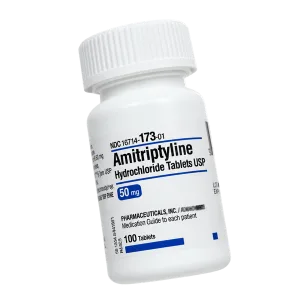
Amitriptyline
Anafranil
Bupropion
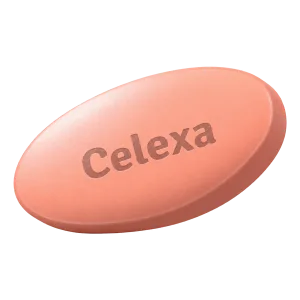
Celexa
Paroxetine Current
Common questions
Which symptoms mean I should stop Paroxetine and seek urgent help?
Urgent help is needed for suicidal thoughts, severe confusion, fever, sweating, tremor, muscle rigidity, seizures, fainting, severe allergic symptoms, or signs of mania. Health Canada’s 2023 product monograph supports prompt assessment for serious psychiatric, neurological, allergic, and serotonin-related symptoms. Do not make an abrupt change solely because of mild nausea or headache, but report persistent or worsening effects to the prescriber.
Can Paroxetine cause sexual dysfunction?
Yes. Reduced desire, delayed orgasm, difficulty reaching orgasm, and erectile difficulty can occur with paroxetine. The FDA’s 2019 prescribing information recognises sexual dysfunction among possible SSRI-related adverse effects and advises clinical review when it affects quality of life. Do not stop suddenly; a prescriber can assess timing, other causes, and treatment options.
Can the Paroxetine tablet be split, crushed, or chewed?
Do not crush or chew a controlled-release tablet because this can alter its release pattern. Health Canada’s 2024 product information distinguishes formulations and their administration requirements. Splitting an immediate-release tablet is also product-specific, so the tablet design and prescribed formulation must be confirmed before doing so.
How long does one Paroxetine dose keep working?
Paroxetine is designed for regular dosing rather than occasional symptom relief. The WHO’s 2016 mhGAP guidance describes antidepressant treatment as a continuing regimen, with response developing over weeks rather than after a single dose. Missing doses can reduce treatment continuity and may produce symptoms in some patients.
Can I drink alcohol while using Paroxetine?
Alcohol may increase dizziness, drowsiness, impaired judgement, sleep disruption, or worsening mood and anxiety. The FDA’s 2019 prescribing information advises caution because alcohol can aggravate central nervous system effects even when no direct chemical interaction is the main concern. Avoid driving or hazardous tasks if alcohol or paroxetine affects alertness.
Can people under 18 use Paroxetine?
Use under 18 requires specialist assessment because antidepressant treatment in younger patients needs careful monitoring of mood, behaviour, suicidal thinking, and activation. Health Canada’s 2024 safety information describes age-related psychiatric monitoring concerns for antidepressants. Paroxetine should not be started, stopped, or adjusted in a minor without the responsible prescriber’s plan.
What is the best time of day to take Paroxetine?
The best time depends on whether it causes sleepiness, insomnia, nausea, and on the prescribed formulation. The EMA’s 2024 product information supports regular daily administration, with timing selected to promote adherence and tolerability. Taking it at the same general time each day is usually more useful than changing the schedule repeatedly.
Do you offer anonymous delivery?
Your order will be securely packed and shipped within 24 hours. This is exactly what your package will look like (images of an actual item sent). It has the size and look of a regular private letter (24x11x0.7 cm) and its contents cannot be seen.
Customer Feedback on Paroxetine
Fredericton, Paroxetine gradually made social situations easier for me. By around the fourth week, I was attending meetings without rehearsing every sentence beforehand. Taking the tablet at the same time each day made it easier to stay consistent.
Sherbrooke, I noticed fewer panic symptoms after several weeks of treatment. The change was gradual, not dramatic, but I could use public transit again without constantly planning an escape route. That practical improvement mattered more to me than a sudden change in mood.
Charlottetown, Paroxetine helped reduce the constant low mood that had made ordinary tasks feel heavy. I noticed better interest in meals, reading, and short walks after continued use. The tablets fitted easily into my morning routine.
Peterborough, The treatment reduced some depressive symptoms, but I developed sexual problems that I found difficult to ignore. I stopped only after speaking with my prescriber and followed a gradual plan. The experience reminded me that improvement in mood does not cancel out troublesome side effects.
Sources
- Health Canada (2023). Product Monograph: PAXIL (paroxetine hydrochloride)
- U.S. Food and Drug Administration (2019). Paxil (paroxetine hydrochloride) Prescribing Information
- National Institute for Health and Care Excellence (2022). Depression in adults: treatment and management (NG222)