Skip to content
Save up to 80%
Amaryl
Active ingredient: Glimepiride

Amaryl

Quality products
24/7 Support
Fast delivery
Delivery from 4 days
Select pack Package Per unit Price

Free delivery on orders from $ 296.00, free express delivery from $ 444.00

Secure Payments
Track your order
Best price guarantee

Amaryl helps the pancreas release more insulin by stimulating pancreatic beta cells. It is prescribed for adults with type 2 diabetes mellitus when diet and physical activity alone do not provide adequate glucose control. Its active ingredient, glimepiride, belongs to the sulfonylurea class and lowers blood glucose by increasing insulin availability.

Overview

Amaryl contains glimepiride, a second-generation sulfonylurea used in the management of type 2 diabetes mellitus. It is an oral tablet for adults whose pancreatic beta cells can still produce insulin. Glimepiride does not replace insulin directly; it encourages the pancreas to release more of the body’s own insulin.

Dosage and administration

Amaryl tablets are available in different glimepiride strengths, including 1 mg and 2 mg presentations. The product card identifies the strengths offered for this page. A physician selects the regimen according to glucose readings, meals, kidney and liver function, age, and other diabetes medicines.

The regimen for the chosen strength is confirmed with a healthcare professional before starting. Dose increases are gradual rather than automatic. The purpose is to find the lowest dose that supports the agreed glucose target without recurrent hypoglycemia.

Clinical use follows these principles:

  • Take the prescribed tablet by mouth with the first substantial meal of the day.
  • Swallow the tablet with water unless the prescriber gives different instructions.
  • Keep meal timing reasonably consistent.
  • Do not double the next dose after a missed dose.
  • If a dose is missed and the meal has already passed, skip it and resume the planned schedule at the next meal.
  • Do not change the dose because of one isolated glucose result.
  • Blood glucose monitoring guides later adjustments.

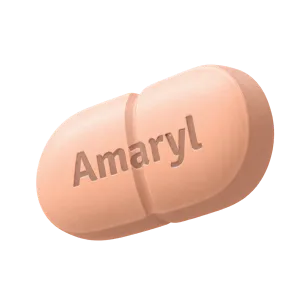
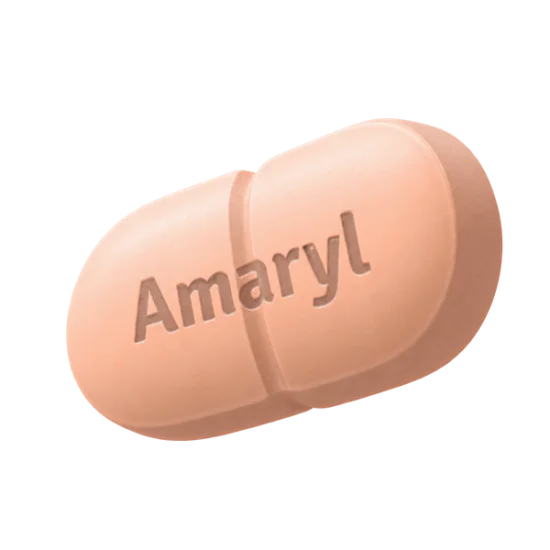
A practical issue is tablet splitting. Some tablet presentations are designed with a score line, while others should remain whole. Splitting a tablet only makes sense when the specific tablet is suitable for it and the prescribed dose requires that approach. Crushing or chewing can make administration less predictable.

Record glucose readings beside meal times rather than as isolated numbers. A pattern of low readings before lunch, for example, gives more useful information than one low result without context.

Formulation

Amaryl contains glimepiride, a second-generation sulfonylurea. It is supplied as an oral tablet for adults with type 2 diabetes mellitus whose pancreatic beta cells can still produce insulin. Glimepiride stimulates pancreatic beta cells to release more of the body’s own insulin and is available in strengths including 1 mg and 2 mg.

How it affects the body

Sulfonylureas act on ATP-sensitive potassium channels located on pancreatic beta cells. Glimepiride binds to the sulfonylurea receptor associated with these channels. The beta-cell membrane then depolarizes, calcium enters the cell, and insulin secretion increases. This process reduces circulating glucose when the pancreas retains insulin-producing capacity. The Canadian product information describes this pharmacological action and the associated risk of hypoglycemia [1].

The main benefit is a direct reduction in blood glucose through increased insulin secretion. The trade-off is that insulin release can continue even when glucose is already falling. That is why hypoglycemia remains the central safety concern, especially after missed meals, heavy exercise, alcohol intake, kidney impairment, or an excessive dose.

Therapeutic indications

The medicine is intended for type 2 diabetes, not type 1 diabetes or diabetic ketoacidosis. In type 1 diabetes, pancreatic insulin production is insufficient for a sulfonylurea to provide the required treatment. Insulin therapy is required in that setting.

Common mistakes

Several practical errors can reduce the benefit of Amaryl or increase its risks:

  • Taking the tablet without eating the planned meal.
  • Doubling the next dose after forgetting one.
  • Increasing the dose after a single high glucose result.
  • Ignoring repeated mild symptoms such as sweating or shakiness.
  • Drinking alcohol during periods of irregular meals.
  • Failing to mention a new antibiotic, steroid, diuretic, or pain medicine.
  • Assuming that a generic glimepiride product has the same strength as the previous tablet.
  • Crushing or splitting a tablet without confirming that the presentation permits it.
  • Continuing the same regimen during vomiting, diarrhoea, or prolonged fasting without a sick-day plan.
  • Treating every episode of dizziness as low blood glucose without checking when testing is possible.

One detail patients often miss is the difference between a missed dose and a late dose. Taking a forgotten tablet several hours later may place it too close to the next meal and increase the total glucose-lowering effect.

Another common problem is confusing a low-glucose symptom with a side effect of another medicine. Sweating, tremor, sudden hunger, and difficulty concentrating are more useful warning clues than dizziness alone.

When not to use it

Amaryl is not suitable for every person with diabetes. It should not be used in the following situations:

  • Type 1 diabetes mellitus.
  • Diabetic ketoacidosis.
  • Diabetic coma or pre-coma.
  • Severe hypersensitivity to glimepiride or another sulfonylurea.
  • Serious allergy to related sulfonamide medicines when the clinician considers cross-reactivity a concern.
  • Severe kidney or liver impairment without a specialist treatment plan.
  • Pregnancy or breastfeeding unless a clinician has specifically selected the treatment.

Diabetic ketoacidosis is an acute insulin-deficient state. It requires urgent medical treatment, fluids, electrolyte management, and insulin rather than a tablet that stimulates residual pancreatic insulin release. Symptoms may include marked thirst, frequent urination, nausea, vomiting, abdominal pain, deep breathing, confusion, or a fruity breath odour.

When this is not for you

This medication is not for you if you have type 1 diabetes, current diabetic ketoacidosis, a previous severe reaction to glimepiride, or a treatment plan that requires insulin instead of a sulfonylurea.

Possible side effects

Hypoglycemia is the main adverse reaction associated with glimepiride. It may cause sweating, trembling, hunger, dizziness, weakness, blurred vision, palpitations, irritability, confusion, or difficulty concentrating. Severe hypoglycemia can lead to seizures or loss of consciousness and requires urgent treatment.

Other recognized reactions include dizziness, headache, nausea, asthenia, gastrointestinal discomfort, and visual changes related to changing glucose levels. Skin reactions such as rash, itching, or photosensitivity can occur. Rare blood, liver, or hypersensitivity reactions require prompt medical assessment. The FDA prescribing information describes hypoglycemia as a clinically significant risk of Amaryl treatment [2].

A person who develops symptoms of low blood glucose should take a rapid source of glucose, such as glucose tablets or juice, if awake and able to swallow. Recheck glucose according to the individual diabetes plan. Severe confusion, collapse, seizure, or inability to swallow is an emergency; nothing should be placed in the person’s mouth.

The risk can rise when:

  • Meals are delayed or skipped.
  • Physical activity is much greater than usual.
  • Alcohol is consumed without food.
  • Kidney or liver function changes.
  • Another glucose-lowering medicine is added.
  • The tablet strength or schedule is changed.
  • Vomiting or diarrhoea reduces food intake.

Glucose control can also shift in the other direction. Corticosteroids, thiazide diuretics, infection, fever, and major stress may raise blood glucose and make Amaryl appear less effective. A change in readings after a new medicine should prompt a medication review rather than an unsupervised dose increase.

Carry a quick carbohydrate source when leaving home. Early symptoms can be easy to dismiss as tiredness, especially during driving, exercise, or a busy workday.

Comparison

Other treatment categories work differently:

Treatment category Main action Key limitation
Glimepiride or another sulfonylurea Stimulates pancreatic insulin release Hypoglycemia and possible weight gain
Biguanide therapy Reduces hepatic glucose production and improves insulin sensitivity Gastrointestinal effects and kidney-related restrictions
Insulin therapy Replaces or supplements insulin directly Requires injection skills and structured glucose monitoring

A change from glimepiride to another category is not a simple tablet-for-tablet exchange. The new treatment may have different meal instructions, titration rules, kidney restrictions, and low-glucose risks. The choice should be based on the person’s diabetes pattern rather than the tablet name alone.

What doctors say

In clinical practice, physicians generally judge Amaryl by the pattern of glucose readings, meal consistency, hypoglycemia symptoms, and glycated haemoglobin rather than by one day of results. A stable regimen can become too strong after weight loss, reduced food intake, kidney impairment, or a major change in activity.

Doctors also pay attention to the reason for poor control. Persistent high glucose may reflect missed doses, irregular meals, infection, steroid treatment, or progression of type 2 diabetes. Increasing glimepiride without identifying the cause may produce a low reading later, especially when the original trigger resolves.

A useful medication review includes the timing of each tablet, the size and timing of meals, exercise, alcohol, kidney function, and every medicine taken during the previous few weeks. This approach often explains fluctuating glucose more clearly than simply changing the strength.

Comparison

Comparison table: Diabetes

Common questions

What should I do if the expected glucose improvement does not occur?

Persistent high glucose after starting Amaryl can result from missed doses, irregular meals, infection, steroid treatment, reduced pancreatic insulin production, or an unsuitable regimen. Health Canada’s product information, reviewed in 2024, supports glucose monitoring and clinician-guided dose adjustment rather than self-directed increases. Check the timing of meals and tablets, record readings, and arrange a treatment review if the pattern continues. Seek urgent care for vomiting, abdominal pain, deep breathing, confusion, or severe dehydration because these can indicate diabetic ketoacidosis.

Can people under 18 use Amaryl?

Amaryl is generally intended for adults with type 2 diabetes, and treatment in people under 18 requires specialist assessment. The EMA product information available in 2024 does not establish routine use of glimepiride for children and adolescents. Young people with diabetes may require a different treatment plan, including insulin in some forms of diabetes. Age, diabetes type, body weight, kidney function, and the ability to recognise hypoglycemia all influence the decision.

What should be discussed with a doctor before starting Amaryl?

Before starting, discuss previous low-glucose episodes, kidney or liver disease, sulfonylurea or sulfonamide allergies, pregnancy plans, breastfeeding, alcohol intake, and every medicine or supplement being used. The WHO diabetes guidance published in 2023 supports individualising glucose-lowering treatment according to comorbidities and hypoglycemia risk. The clinician should also know about irregular meals, shift work, intensive exercise, and frequent vomiting or diarrhoea. These details can change the preferred dose, monitoring schedule, or treatment category.

Can Amaryl be used during pregnancy or breastfeeding?

Glimepiride is generally avoided during pregnancy because insulin is preferred when medication is required to control maternal glucose. The FDA prescribing information reviewed in 2023 states that uncontrolled diabetes can also harm the mother and fetus, so treatment changes should be planned rather than delayed. Breastfeeding requires a specific clinical decision because sulfonylurea exposure and the risk of maternal hypoglycemia must be considered. Anyone who becomes pregnant while using Amaryl should contact the prescribing clinician promptly to arrange an appropriate treatment plan.

Do you offer anonymous delivery?

Your order will be securely packed and shipped within 24 hours. This is exactly what your package will look like (images of an actual item sent). It has the size and look of a regular private letter (24x11x0.7 cm) and its contents cannot be seen.

Customer Feedback on Amaryl

4.1
Based on 4 reviews
Jonathan, 27 Halifax Several weeks
Verified
Rating: 4.5 out of 5

I took 1 mg with breakfast for several weeks and kept my meals more regular. My morning glucose readings became steadier, and I felt satisfied with the improvement.

Oct 10, 2026
Robert P., 52 Saint John One month
Verified
Rating: 5 out of 5

I took 1 mg each morning for one month, and Amaryl fitted into my routine without much disruption. My readings became more consistent, especially on workdays when I stopped skipping breakfast.

Oct 19, 2026
Darren, 57 Hamilton Several weeks
Verified
Rating: 3 out of 5

I took 1 mg each morning for several weeks and saw a clear improvement, but I had occasional light-headedness before lunch during the first couple of weeks. Eating at a regular time helped, and I discussed the pattern with my doctor before making any change.

Oct 30, 2026
Adam N., 64 Windsor One month
Verified
Rating: 4 out of 5

I took 2 mg each morning for one month, and the tablets helped bring my readings closer to my target. I kept a simple record of meals and glucose values, which made the treatment easier to follow.

Nov 8, 2026

Sources

  1. Health Canada (2024). Amaryl (glimepiride) Product Monograph
  2. U.S. Food and Drug Administration (2023). Amaryl (glimepiride) Tablets, Prescribing Information
Get our free app Shop faster and track your orders 4.0 · 269 reviews Install