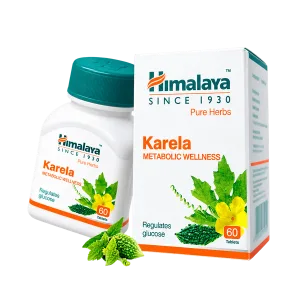
I used the agreed tablet amount for about six weeks as part of a more structured eating routine. I felt that my energy was steadier during the afternoon and liked having a simple tablet rather than preparing bitter gourd every day. I was satisfied with how easily it fitted into my routine.
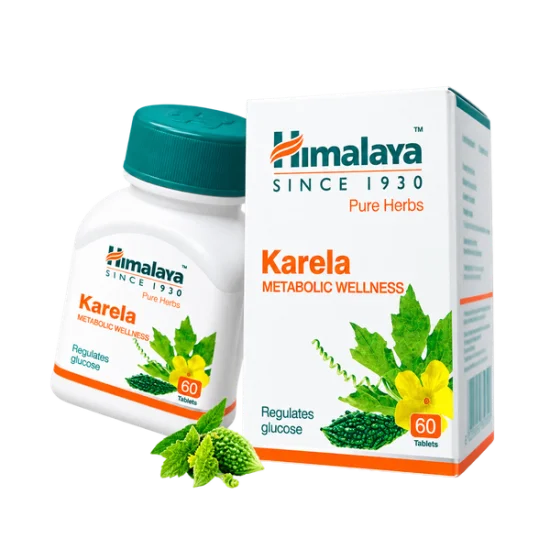
Karela tablets are intended for adults seeking metabolic wellness support. Karela provides plant compounds associated with healthy blood sugar levels, while its food-based form can complement balanced meals and regular activity.
Overview
Karela, or bitter gourd, is a fruit commonly prepared as a vegetable. Fresh karela has a low-calorie profile and contributes nutrients such as vitamin C and folate. Karela tablets provide a convenient form of this traditional plant, while fresh bitter gourd remains a useful food choice in a varied diet.
Nutrient levels in fresh vegetables vary with serving size, freshness, storage and cooking method. Tablet products should be used according to the agreed product directions rather than treated as an equivalent replacement for a serving of fresh produce.
Health Canada's food guidance supports variety across vegetables, fruit, protein foods and whole grains rather than dependence on a single ingredient [1].
Dosage and administration
Fresh bitter gourd can be prepared by:
- Washing the surface under running water
- Trimming the ends
- Slicing the vegetable lengthwise
- Removing or retaining the seeds according to age, texture and taste
- Scraping away some of the white inner pith if a milder flavour is preferred
- Cooking with onions, garlic, ginger or other vegetables
- Refrigerating cut pieces promptly in a clean container
The white pith and seeds can add to karela's bitterness. Salting sliced karela for a short period may draw out moisture and soften the bitter taste, but it also adds sodium if the vegetable is not rinsed before cooking. Pairing karela with aromatics or other vegetables can make the flavour easier to accept without suggesting that one preparation is medically superior.
The product is supplied as tablets in a bottle containing 60 tablets. The amount and frequency depend on the purpose of use and are agreed with a doctor or pharmacist.
Formulation
Karela tablets contain a preparation of karela, also known as bitter gourd. The exact amount and composition of the tablet product are not established in the available information. Fresh karela is a low-calorie food that contributes vitamin C and folate, with nutrient levels varying by serving size, freshness, storage and cooking method.
How it affects the body
Bioactive compounds are naturally occurring substances in plants that may affect biological processes. In karela, researchers have examined compounds that could influence glucose uptake, carbohydrate metabolism and insulin-related pathways. These mechanisms are biologically plausible, yet a mechanism seen in laboratory research does not guarantee a predictable result in every person.
Therapeutic indications
Karela is associated with metabolic wellness because bitter gourd contains naturally occurring plant compounds that may influence glucose handling. Research into bitter melon and blood sugar levels remains developing, and results depend on the preparation, concentration and person using it.
Karela can complement a fibre-rich eating pattern, regular movement, adequate sleep and prescribed diabetes care. It does not replace glucose monitoring, insulin, tablets for diabetes or an individualized treatment plan.
The World Health Organization describes healthy eating as a pattern built around varied, nutrient-dense foods, with limited excess free sugars and highly processed foods [2].
Common mistakes
Several habits can make karela use less predictable:
- Treating a tablet as equivalent to a serving of fresh vegetable
- Combining karela with multiple glucose-lowering supplements
- Stopping prescribed diabetes treatment after seeing a lower reading
- Ignoring shakiness, sweating or confusion
- Increasing the amount because no immediate effect is felt
- Assuming a bitter taste proves that the product is stronger
- Using concentrated karela during pregnancy without individual advice
- Leaving cut fresh karela unrefrigerated for extended periods
- Taking a new supplement immediately before strenuous exercise
- Failing to mention karela during a medication review
One overlooked detail is timing. A person who takes karela, skips a meal and exercises heavily may feel weak for several different reasons. The correct response is assessment of the situation, not automatic escalation of the supplement.
Another common error is judging the product only by a single glucose reading. Blood sugar changes with food, activity, stress, sleep, illness and medication timing. A broader record gives a more useful clinical picture.
When not to use it
Karela is not appropriate for self-directed concentrated use in the following situations:
- Pregnancy, unless a qualified clinician has specifically advised its use
- Breastfeeding, where concentrated herbal products require individual assessment
- Recurrent low blood sugar
- Use of insulin or other glucose-lowering medicines without prior discussion
- A child who cannot reliably describe symptoms such as dizziness or weakness
- A known allergy to karela or another ingredient in the product
- Unexplained sweating, shaking, confusion or fainting
- A planned medical procedure where dietary supplements may need to be reviewed
People with diabetes should not use karela tablets as a reason to stop monitoring blood sugar or alter prescribed treatment. Individuals with kidney, liver or gastrointestinal conditions should disclose those conditions before using concentrated herbal products.
The European Medicines Agency separates traditional herbal use from evidence demonstrating a defined clinical treatment effect [3].
When this is not for you
Not for you if: Karela tablets are not for you if you are pregnant, breastfeeding, prone to low blood sugar, allergic to karela, or using glucose-lowering treatment without clinician guidance.
Possible side effects
Some people may experience digestive discomfort, loose stools, abdominal cramping or an unpleasant bitter aftertaste. An allergic reaction is possible with any plant product, especially in a person with a known sensitivity to the botanical source.
Stop use and seek prompt medical care for facial swelling, breathing difficulty, widespread hives, severe weakness or confusion. Repeated low-blood-sugar symptoms also require medical assessment rather than repeated self-treatment with dietary changes.
Comparison
Karela sits between ordinary food use and concentrated metabolic supplements. Its role is different from that of a prescribed glucose-lowering treatment, which has a defined dose, studied pharmacology and a clinical monitoring plan.
| Approach | Main role | Limitation |
|---|---|---|
| Karela tablets | Supplementary plant-based metabolic support | Response and concentration may vary |
| Fresh karela in meals | Vegetable and nutrient contribution | Food portions do not provide a standardized dose |
| Prescribed diabetes treatment | Defined medical management of diagnosed diabetes | Requires individualized selection and monitoring |
A doctor may view karela as an optional dietary adjunct for some adults, provided it does not interfere with established care. It should not be presented as insulin replacement or as a guaranteed method for lowering blood sugar.
What doctors say
In clinical practice, the most useful discussion centres on the person's current glucose pattern, medicines, diet and symptoms. A physician would usually want to know whether Karela tablets are being added to insulin, a sulfonylurea, metformin or another glucose-lowering regimen.
A doctor may also distinguish between eating cooked karela occasionally and taking a concentrated tablet every day. Those exposures are not interchangeable. The National Center for Complementary and Integrative Health describes the evidence for many dietary supplements in diabetes as variable, which supports careful expectations and medication review [4].
A practical clinical goal is consistency. Use one agreed approach long enough to observe tolerance, keep routine diabetes care in place and report symptoms that could indicate low blood sugar. Karela may fit a wider wellness plan, but it should not become the sole strategy for a diagnosed metabolic condition.

Comparison
Common questions
How long should a Karela course last, and is long-term use acceptable?
The appropriate course depends on the purpose of use, the person's health and other products being taken. Long-term use of concentrated karela should be reviewed with a doctor or pharmacist, especially when diabetes treatment is involved. Health Canada's 2024 guidance favours dietary variety and does not support relying on one food or supplement as a complete nutritional plan. A 2024 Health Canada review can also help determine whether continued use remains appropriate. Regular review is useful if symptoms, medicines or glucose readings change.
Is Karela suitable during pregnancy or breastfeeding?
Pregnancy and breastfeeding require individual advice before using concentrated herbal products. Eating a normal serving of a cooked vegetable is different from taking tablets or concentrated juice, so the two forms should not be treated as equivalent. The World Health Organization's 2023 guidance recognises pregnancy as a period with specific nutritional needs, including adequate folate, but one plant product does not replace prenatal dietary care. Karela tablets should only be used during pregnancy or breastfeeding when a qualified clinician has assessed the circumstances.
How long does one Karela tablet keep working?
Karela does not have a reliably established, medicine-like duration of action for an individual tablet. The experience may vary with the product's plant preparation, food intake, metabolism and other glucose-related influences. The European Medicines Agency's 2024 guidance uses evidence standards that distinguish traditional herbal use from a defined therapeutic duration. Avoid taking extra tablets to create a faster or stronger effect.
What should be discussed with a doctor before starting Karela?
Discuss diabetes, recurrent low blood sugar, pregnancy, breastfeeding, kidney or liver disease, allergies and every glucose-lowering medicine or supplement being used. Mention whether you monitor blood sugar and whether you have experienced shakiness, sweating, confusion or unusual weakness. The National Center for Complementary and Integrative Health's 2024 guidance advises discussing supplements that may affect diabetes care with a healthcare professional. A clinician can decide whether Karela fits the existing treatment plan.
Can alcohol be used while taking Karela?
Alcohol can make blood sugar less predictable, especially when meals are missed or diabetes medicines are also being used. Combining alcohol with a glucose-focused supplement may make it harder to interpret symptoms such as weakness, dizziness or confusion. Health Canada's 2023 guidance on lower-risk alcohol use supports moderation and attention to individual health circumstances [5]. Avoid drinking when you already have symptoms that could represent low blood sugar.
Do you offer anonymous delivery?
Your order will be securely packed and shipped within 24 hours. This is exactly what your package will look like (images of an actual item sent). It has the size and look of a regular private letter (24x11x0.7 cm) and its contents cannot be seen.
Customer Feedback on Karela
I used the agreed tablet amount for several weeks alongside changes to my meals. I noticed some benefit in how I felt after eating, although the bitter aftertaste and mild stomach upset were inconvenient at first. The effect seemed gradual rather than dramatic.
I used the agreed tablet amount in my daily routine for roughly two months. I felt more consistent with my wellness plan and found the tablets easier than cooking bitter melon. The main benefit for me was keeping the routine simple.
I used the agreed tablet amount while paying more attention to meals and walking. After several weeks, I felt that my general metabolic routine was better organised, and the tablets were easy to take. I was pleased with the practical convenience.
Sources
- Health Canada (2024). Canada’s Food Guide
- World Health Organization (2023). Healthy diet
- European Medicines Agency (2024). Herbal medicinal products
- National Center for Complementary and Integrative Health (2024). Diabetes and Dietary Supplements
- Health Canada (2023). Canada’s Guidance on Alcohol and Health