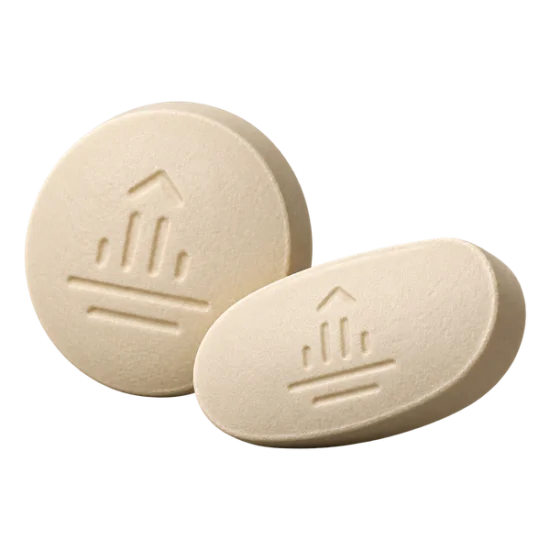
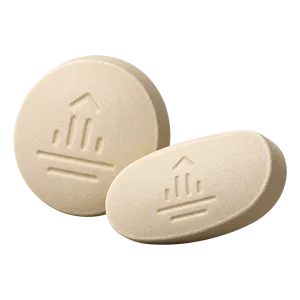
I took one tablet daily for several weeks, but my glucose readings did not improve enough for me. The increased urination also became inconvenient during work shifts, so I stopped after discussing it with my doctor.
Empagliflozin
Empagliflozin lowers blood glucose by helping the kidneys remove excess sugar through urine. It is used for adults with type 2 diabetes and may also support cardiovascular and kidney protection in appropriate patients.
Overview
Empagliflozin belongs to the sodium-glucose cotransporter 2 (SGLT2) inhibitor class. The tablet works without directly stimulating insulin release.
Dosage and administration
Empagliflozin is taken by mouth once daily at the prescribed amount. It may be taken with or without food. Choosing a consistent time helps reduce missed doses and makes changes in thirst, urination, or glucose readings easier to interpret.
A typical administration routine includes:
- Take the tablet at the prescribed time each day.
- Swallow it with water.
- Keep normal fluid intake unless a clinician has given a fluid restriction.
- Do not take extra tablets to compensate for a missed dose.
- Tell the treating clinician about vomiting, prolonged fasting, severe diarrhoea, or an upcoming operation.
When a dose is missed, the patient should take it when remembered unless the next scheduled dose is close. In that situation, the missed dose is skipped. Two doses should not be taken together.
Temporary interruption may be needed during acute illness, major surgery, or prolonged inability to eat and drink. This is because reduced food intake, dehydration, and insulin deficiency can increase the risk of ketoacidosis even when blood glucose is not extremely high.
A frequent mistake is treating increased urination as proof that the medicine is “working better” and then reducing fluid intake. The extra glucose loss can increase urine volume, but deliberate dehydration raises the risk of dizziness, low blood pressure, and kidney injury.
Formulation
Empagliflozin is taken orally as a tablet. The active substance is empagliflozin, an SGLT2 inhibitor that acts at the renal tubule rather than directly increasing insulin secretion.
The amount taken at each intake is selected individually. Kidney function, glucose control, cardiovascular status, concurrent medicines, and treatment tolerance influence the prescribed regimen. The product should therefore be used at the dose selected for the individual patient.
The tablet should remain intact unless a prescriber or pharmacist has provided a specific alternative instruction. Altering a solid oral dosage form can affect how it is swallowed and may make routine dosing less reliable.
| Pharmaceutical feature | Clinical meaning |
|---|---|
| Active substance | Empagliflozin |
| Dosage form | Oral tablet |
| Pharmacological class | SGLT2 inhibitor |
The appearance of a tablet does not determine its strength or suitability for a particular patient. Strength selection depends on the prescribed regimen and renal assessment.
How it affects the body
The kidneys filter glucose from the blood. Under normal conditions, most filtered glucose returns to the bloodstream through transport proteins in the proximal renal tubules. SGLT2 is the main transporter responsible for this early glucose reabsorption.
Empagliflozin blocks SGLT2 activity. Less glucose returns to circulation, so more glucose leaves the body in urine. The process lowers blood glucose without forcing the pancreas to release additional insulin.
This mechanism differs from insulin secretagogues. The glucose-lowering action depends on renal glucose handling rather than direct stimulation of pancreatic beta cells. Urinary glucose loss also draws some water with it, which explains both the mild diuretic effect and the possibility of dehydration.
Common mistakes
Several routine errors can reduce benefit or increase risk:
- Taking an extra tablet after a missed dose.
- Restricting water because urination has increased.
- Continuing treatment through prolonged vomiting or severe diarrhoea without seeking instructions.
- Assuming a normal glucose reading rules out ketoacidosis.
- Stopping insulin or another diabetes medicine without a prescribed change.
- Failing to mention empagliflozin before surgery or a prolonged fast.
- Ignoring genital itching, burning, swelling, or unusual discharge.
- Treating dizziness as harmless when it occurs with low blood pressure or weakness.
One subtle error is judging the medicine only by how often the patient urinates. Urinary frequency varies with fluid intake, caffeine, weather, diuretics, and kidney function. It is not a reliable measure of glucose control.
Another is taking the tablet at unpredictable times around a changing work schedule. A fixed routine, such as the first meal or morning medication period, can make adherence easier without requiring the tablet to be taken with food.
When not to use it
- Type 1 diabetes, because of the risk of diabetic ketoacidosis.
- Current or recent ketoacidosis.
- Severe renal impairment or dialysis, when glucose-lowering benefit may be limited.
- Severe dehydration, persistent vomiting, or prolonged inability to drink.
- A history of serious hypersensitivity to empagliflozin or a formulation ingredient.
- Pregnancy, especially when alternative glucose-management strategies are available.
- Breastfeeding, because treatment decisions must consider the infant’s renal development and exposure.
Interactions deserve attention:
- Loop diuretics and other diuretics can increase fluid loss and dizziness.
- Insulin and insulin secretagogues can increase hypoglycaemia risk when combined with empagliflozin.
- Medicines that lower blood pressure may intensify light-headedness if dehydration develops.
- Lithium levels may change when kidney function or fluid balance changes.
- Alcohol, fasting, acute illness, and reduced insulin availability can raise ketoacidosis risk.
Health Canada and the EMA advise careful assessment of renal function, hydration status, and ketoacidosis risk when SGLT2 inhibitors are prescribed [3].
When this is not for you
NOT for you if you have type 1 diabetes, current ketoacidosis, severe dehydration, or a contraindication identified by a clinician.
Do not stop insulin abruptly when empagliflozin is added. Reduced insulin availability is one factor that can contribute to ketoacidosis, even when urinary glucose loss continues.
Possible side effects
The most characteristic adverse effects result from glucose appearing in urine. The urinary environment can support genital fungal growth, while the accompanying water loss can produce volume depletion.
Common or clinically relevant reactions include:
- Genital candidiasis or other genital fungal infection.
- Urinary tract infection.
- Increased urination.
- Thirst.
- Dizziness from reduced circulating volume.
- Low blood pressure, especially with diuretics or poor fluid intake.
- Constipation or mild gastrointestinal discomfort in some patients.
Genital itching, burning, redness, unusual discharge, or pain should be assessed promptly. These symptoms are treatable, but repeated episodes may require a review of the regimen and contributing factors.
Serious reactions require urgent medical attention. Warning symptoms of ketoacidosis include nausea, vomiting, abdominal pain, unusual tiredness, rapid breathing, confusion, or a fruity smell to the breath. Blood glucose may be only moderately elevated, so a normal-looking glucose reading does not exclude the condition.
Rare necrotising infections of the perineal area have been reported with SGLT2 inhibitors. Severe pain, swelling, redness, fever, or marked tenderness around the genitals or between the genitals and anus requires emergency assessment.
Clinical trials and regulatory safety reviews also describe acute kidney function changes, hypersensitivity reactions, and volume-related complications in susceptible patients [2].
One practical detail is easy to miss: genital symptoms can occur even when a patient has never had a fungal infection before. Early reporting usually allows treatment before discomfort becomes severe.

Comparison
Empagliflozin belongs to a group of medicines that reduce glucose through the kidneys. The closest pharmacological alternatives are other SGLT2 inhibitors, while insulin and insulin-releasing medicines work through different pathways.
| Treatment approach | Main mechanism | Practical distinction |
|---|---|---|
| Empagliflozin | Blocks SGLT2 and increases urinary glucose excretion | Lowers glucose without directly stimulating insulin release |
| Another SGLT2 inhibitor | Uses the same renal glucose-excretion principle | Choice depends on indication, kidney function, formulary, and tolerance |
| Insulin-based treatment | Replaces or supplements insulin activity | More direct glucose lowering, with a greater need to manage hypoglycaemia and dosing timing |
Dapagliflozin is another active substance in the SGLT2 inhibitor class. Both medicines increase urinary glucose excretion, though approved indications, renal thresholds, dosing schedules, and evidence for specific heart or kidney conditions can differ.
Insulin may be preferred when insulin deficiency is severe or glucose levels require rapid correction. Medicines that stimulate insulin release can help lower glucose but may cause hypoglycaemia because their action does not depend entirely on current food intake.
What doctors say
In clinical practice, prescribers often view empagliflozin as more than a tablet for lowering glycated haemoglobin. Its renal glucose-excretion mechanism can be useful when a patient also has cardiovascular disease, heart failure, or chronic kidney disease and meets the relevant treatment criteria.
Doctors also look beyond the glucose reading. They review blood pressure, kidney function, hydration, genital symptoms, infections, and the patient’s ability to maintain food and fluid intake. A modest change in glucose does not automatically mean the medicine has failed if it is being used for broader cardiorenal protection.
Treatment expectations should be realistic. Empagliflozin does not replace nutrition planning, glucose monitoring when indicated, or other prescribed diabetes medicines. It also does not correct the metabolic emergency of diabetic ketoacidosis.
The WHO recognises type 2 diabetes as a chronic condition requiring long-term risk reduction and monitoring, while cardiovascular and renal guidelines support SGLT2 inhibitor use in selected patients [4].
Comparison
Common questions
Can the empagliflozin tablet be split, crushed, or chewed?
The tablet should generally be swallowed whole with water rather than crushed or chewed. Altering it can make administration less predictable and may affect how comfortably the dose is taken. The FDA's 2023 prescribing information for empagliflozin describes oral tablet administration and does not recommend chewing the tablet [5]. A scored tablet should only be divided when the prescribed formulation and clinical instructions support splitting.
What should I do after missing a dose?
The FDA's 2023 prescribing information advises taking the missed dose when remembered unless the next scheduled dose is near. If the next dose is close, skip the missed dose and return to the usual schedule. Never take two doses together to compensate. Vomiting, diarrhoea, or inability to drink is different from an ordinary missed dose because dehydration can increase the risk of adverse effects.
Is empagliflozin suitable for older adults?
Older adults may receive empagliflozin when the expected benefits outweigh the risks. Kidney function, blood pressure, diuretic use, falls risk, hydration, and the ability to recognise illness should be reviewed. Age alone does not determine treatment, but reduced renal reserve and fluid sensitivity make follow-up more important. The EMA's 2024 product information highlights renal and volume-related considerations in older patients.
What should I do if the expected glucose improvement does not occur?
Do not take extra tablets or stop other diabetes treatment independently. Persistent high readings may reflect infection, missed doses, dietary changes, steroid treatment, reduced kidney function, or progression of diabetes. The prescriber may review glycated haemoglobin, kidney function, hydration, adherence, and the need for additional treatment. Nausea, abdominal pain, vomiting, rapid breathing, or marked weakness needs urgent assessment because ketoacidosis can occur without extremely high glucose; the American Diabetes Association's 2025 Standards of Care recommends prompt evaluation of suspected ketoacidosis.
How does empagliflozin differ from dapagliflozin?
Both empagliflozin and dapagliflozin are SGLT2 inhibitors that increase urinary glucose excretion. They share several class effects, including the possibility of genital infections, volume depletion, and ketoacidosis. Their approved indications, dosing instructions, renal criteria, and supporting evidence are not identical. The choice depends on the patient’s diabetes status, kidney and heart conditions, concurrent medicines, and treatment response. The EMA's 2024 product information provides additional product-specific considerations for empagliflozin.
Do you offer anonymous delivery?
Your order will be securely packed and shipped within 24 hours. This is exactly what your package will look like (images of an actual item sent). It has the size and look of a regular private letter (24x11x0.7 cm) and its contents cannot be seen.
Customer Feedback on Empagliflozin
I noticed steadier readings after taking one tablet daily for the first month and felt less heavy after meals. The tablet fit easily into my morning routine, and I was satisfied with the change.
My readings became more consistent after taking one tablet daily for several weeks, especially when I kept my meals and activity regular. I liked taking one tablet at the same time each day and found the routine simple.
Sources
- U.S. Food and Drug Administration (2023). Jardiance (empagliflozin) Prescribing Information.
- European Medicines Agency (2024). Jardiance: Summary of Product Characteristics.
- Health Canada (2023). Empagliflozin Product Monograph.
- World Health Organization (2023). Diabetes.
- American Diabetes Association (2025). Standards of Care in Diabetes.