Skip to content
Save up to 80%
Forxiga
Active ingredient: Dapagliflozin

Forxiga

Quality products
24/7 Support
Fast delivery
Delivery from 4 days
Select pack Package Per unit Price

Free delivery on orders from $ 296.00, free express delivery from $ 444.00

Secure Payments
Track your order
Best price guarantee

Forxiga helps the kidneys remove excess glucose and sodium through urine. It is used in adults with type 2 diabetes, heart failure, or chronic kidney disease, with treatment selected according to the person’s condition and kidney function.

Overview

Forxiga contains dapagliflozin, an oral sodium-glucose cotransporter 2 (SGLT2) inhibitor. It is used in adult treatment plans for type 2 diabetes, heart failure, and chronic kidney disease.

Dosage and administration

Forxiga tablets are taken by mouth. The amount and frequency depend on the purpose of treatment and are agreed with a doctor or pharmacist.

Key administration points include:

  • Swallow the tablet whole with water.
  • Take it at the same time each day when possible.
  • It may be taken with food or on an empty stomach.
  • Maintain suitable fluid intake unless a clinician has prescribed fluid restriction.
  • Do not take extra tablets to compensate for a missed dose.
  • If a dose is missed, take it when remembered unless the next scheduled dose is near; avoid doubling.

Kidney function affects whether dapagliflozin is suitable and how much glucose-lowering benefit can be expected. The heart failure and kidney disease indications also involve kidney-function thresholds and clinical criteria that differ from the diabetes indication. Health Canada product information and the European Medicines Agency product information provide indication-specific renal guidance [2].

Treatment may need to pause during situations that increase ketoacidosis or dehydration risk, such as prolonged fasting, major surgery, severe vomiting, or a serious acute illness. This decision should be made through the prescribing team because the person may need a temporary alternative plan.

Tell the treating team about planned surgery or a prolonged period without food. SGLT2 inhibitors are commonly withheld around major procedures to reduce the risk of perioperative ketoacidosis.

Formulation

Forxiga contains dapagliflozin, an oral sodium-glucose cotransporter 2 (SGLT2) inhibitor.

How it affects the body

Dapagliflozin inhibits the sodium-glucose cotransporter 2 (SGLT2) in the kidneys, reducing the reabsorption of filtered glucose and sodium. This increases the urinary excretion of glucose and sodium, with water following the increased solute loss. The resulting effects are lower blood glucose and increased urinary fluid loss in appropriate treatment settings [1].

Therapeutic indications

Forxiga contains dapagliflozin, an oral sodium-glucose cotransporter 2 (SGLT2) inhibitor. It is used in adult treatment plans for type 2 diabetes, heart failure, and chronic kidney disease. AstraZeneca developed dapagliflozin, which is assessed within regulatory frameworks including Health Canada and the European Medicines Agency.

The three main therapeutic roles are:

  • Type 2 diabetes: dapagliflozin lowers blood glucose by reducing glucose reabsorption in the kidneys.
  • Heart failure: SGLT2 inhibition promotes urinary sodium and fluid loss, which can reduce haemodynamic strain on the heart.
  • Chronic kidney disease: treatment may reduce pressure within the kidney’s filtration system and support kidney-related outcomes in suitable adults.

The diabetes indication does not mean Forxiga replaces all other glucose-lowering treatments. Some people use it alone, while others take it with metformin, insulin, or another diabetes medicine. The choice depends on glycated haemoglobin, kidney function, cardiovascular history, fluid status, and the person’s wider treatment plan.

Dapagliflozin can increase urination, especially during the first days of treatment. Plan access to fluids and bathrooms when starting or changing the treatment schedule.

Common mistakes

Several avoidable mistakes can reduce the benefit or raise the risk of adverse effects:

  • Taking an extra tablet after forgetting a dose.
  • Ignoring dizziness, faintness, or marked thirst.
  • Continuing treatment through prolonged vomiting or fasting without clinical advice.
  • Stopping prescribed insulin after glucose improves.
  • Assuming normal blood glucose rules out ketoacidosis.
  • Failing to report recurrent genital infections.
  • Using non-prescribed diuretics or restricting fluids excessively.
  • Forgetting to mention Forxiga before surgery.
  • Treating every urinary symptom as a simple infection without assessment.

One subtle point is that ketoacidosis can occur without extremely high glucose. Nausea, abdominal pain, rapid breathing, or unusual exhaustion matters more than a single reassuring glucose reading.

Another common error is waiting for severe dehydration before responding. A new pattern of dizziness on standing, reduced urine output, or weakness may signal excessive fluid loss, especially in someone also taking a diuretic.

Keep a written list of diabetes, heart, kidney, and blood-pressure medicines for appointments and urgent care visits. This is useful when treatment is adjusted during infection, fasting, or hospital admission.

When not to use it

Medication interactions require review. Diuretics can intensify fluid loss. Insulin and sulfonylureas can increase hypoglycaemia risk when combined with additional glucose-lowering treatment, even though dapagliflozin alone has a low risk of causing hypoglycaemia. Lithium levels may change when renal sodium and water handling changes, so lithium requires specific monitoring.

Pregnancy deserves special care. Animal data raise concern about effects on developing kidneys, and SGLT2 inhibitors are generally avoided during the second and third trimesters. Dapagliflozin is usually not selected during breastfeeding because of concern about possible effects on the infant kidney.

The Kidney Disease: Improving Global Outcomes guideline places SGLT2 inhibitor use within a broader kidney-protection strategy that includes kidney function, albuminuria, blood pressure, and concurrent medicines [3].

When this is not for you

This treatment is not for you if:

  • You have had a serious allergic reaction to dapagliflozin or an excipient in the tablet.
  • You are in diabetic ketoacidosis or have symptoms suggesting ketoacidosis.
  • You have severe dehydration or cannot maintain fluid intake.
  • You have type 1 diabetes unless a specialist has specifically directed its use in a regulated treatment plan.
  • You are pregnant, especially during the second or third trimester, unless a specialist determines that another approach is inappropriate.
  • You are breastfeeding and the prescriber has not assessed the treatment choice.
  • Your kidney function falls below the threshold for the intended indication.
  • You are undergoing major surgery or have a prolonged period of fasting without a temporary treatment plan.

Possible side effects

The most common practical effects of Forxiga relate to its action in the urinary tract. More frequent urination, increased thirst, genital fungal infection, urinary tract infection, and volume depletion can occur. People using diuretics, older adults, and those with low blood pressure may be more vulnerable to dehydration.

Possible adverse effects include:

  • Genital itching, soreness, discharge, or fungal infection.
  • Urinary burning, urgency, or frequency.
  • Dizziness when standing.
  • Dry mouth or marked thirst.
  • Reduced blood pressure.
  • Constipation or gastrointestinal discomfort.
  • Rare diabetic ketoacidosis, sometimes with only moderately raised blood glucose.

Genital fungal infections often present with itching, redness, soreness, or an unusual discharge. Early treatment is easier than waiting for symptoms to become severe. Urinary symptoms accompanied by fever, flank pain, or feeling acutely unwell require prompt medical assessment.

Diabetic ketoacidosis is an emergency. Warning symptoms include nausea, vomiting, abdominal pain, unusual tiredness, confusion, rapid breathing, or a sweet or solvent-like breath odour. It can occur during fasting, severe illness, dehydration, heavy alcohol intake, or a substantial reduction in insulin.

A serious genital or perineal infection is rare but requires urgent attention if there is severe pain, swelling, redness, fever, or rapidly worsening illness. The FDA label identifies ketoacidosis, volume depletion, genital infections, urinary infections, and serious perineal infection as important safety considerations .

Do not treat persistent genital itching as a minor nuisance. SGLT2-related fungal infections are usually manageable, but symptoms that recur or fail to settle need clinical review.


Comparison

Forxiga belongs to the SGLT2 inhibitor class. Other treatment groups work through different pathways and may be chosen for different clinical priorities.

Treatment approach Main pharmacological action Main clinical distinction
Dapagliflozin and other SGLT2 inhibitors Increase urinary glucose and sodium excretion Useful across selected diabetes, heart failure, and kidney disease pathways
Metformin Reduces hepatic glucose production and improves insulin sensitivity Primarily a glucose-lowering treatment for type 2 diabetes
DPP-4 inhibitors Increase the activity of glucose-dependent incretin hormones Modest glucose lowering with low hypoglycaemia risk when used without insulin-releasing drugs
Sulfonylureas such as gliclazide Stimulate pancreatic insulin release Can lower glucose effectively but may cause hypoglycaemia and weight gain

Empagliflozin and canagliflozin are other SGLT2 inhibitors. They share the broad class mechanism with dapagliflozin, though approved indications, renal thresholds, trial populations, and prescribing details can differ.

Metformin remains a common foundation treatment for type 2 diabetes when suitable. A DPP-4 inhibitor such as sitagliptin, alogliptin, or saxagliptin may be selected when a clinician wants oral glucose lowering without the urinary glucose mechanism. Gliclazide can be useful when a stronger insulin-releasing effect is required, although hypoglycaemia becomes a central concern.

Fixed-dose combinations can place dapagliflozin with metformin in one tablet. This may reduce the number of tablets taken each day, yet it does not remove the need to monitor kidney function, gastrointestinal tolerance, hydration, and glucose control.

What doctors say

In clinical practice, doctors often assess Forxiga by asking more than whether glucose has fallen. They review kidney function, urinary albumin, blood pressure, body weight, fluid status, cardiovascular symptoms, and the person’s other medicines.

A useful expectation is gradual risk reduction within a long-term treatment plan, not an immediate change in how a person feels. People with heart failure may notice more urination before noticing changes in exercise tolerance or swelling. People with type 2 diabetes may see glucose changes earlier than any cardiovascular or kidney-related benefit.

Doctors also pay attention to treatment interruptions. Vomiting, diarrhoea, severe infection, fasting, and surgery can change the balance between fluid loss and metabolic demand. A temporary pause may be appropriate, but restarting should follow a clear clinical plan.

The 2024 American Diabetes Association Standards of Care place SGLT2 inhibitors among therapies with cardiovascular and kidney benefits for appropriate people with type 2 diabetes and related disease [4].

Comparison

Comparison table: Diabetes

Common questions

Can people under 18 use Forxiga?

Forxiga is generally used for approved adult indications, and routine use in children requires a specific specialist assessment. The 2024 Health Canada product information does not make adult treatment principles interchangeable with paediatric care. Children and adolescents with diabetes, kidney disease, or heart problems need diagnosis-specific treatment. A paediatric specialist should determine whether dapagliflozin has a role.

What is the best time of day to take Forxiga?

Taking Forxiga in the morning can be practical because the medicine may increase urination. The 2024 European Medicines Agency product information allows administration without regard to meals, so the key issue is a consistent routine rather than a specific breakfast time. Someone who works nights may use another consistent time selected with the prescribing team. Avoid changing the schedule repeatedly without a clear reason.

Which diet, exercise, or habits support treatment?

The American Diabetes Association Standards of Care 2024 supports combining medicine with an eating pattern, physical activity, sleep, and weight-management plan suited to the person’s health. Avoid crash diets, prolonged fasting, and excessive alcohol because these can raise dehydration or ketoacidosis risk while using an SGLT2 inhibitor. Exercise is useful, but very strenuous activity during illness or poor fluid intake may be unsafe. Carbohydrate quality and regular meals can make glucose patterns easier to interpret.

Is Forxiga suitable for older adults?

Older adults may use dapagliflozin when the expected cardiovascular, kidney, or glucose benefit outweighs the risk of dehydration. The 2024 European Society of Cardiology guidance highlights the need to consider blood pressure, kidney function, frailty, and concurrent diuretics. Older people may not feel thirst strongly, so dizziness, weakness, confusion, or reduced urination deserves attention. Regular medication review helps prevent excessive fluid loss.

Can Forxiga be taken with food or on an empty stomach?

Forxiga can be taken with food or without food according to the European Medicines Agency product information from 2024. Taking it at a consistent time may make adherence easier. Food does not remove the need to monitor hydration or infection symptoms. If nausea or reduced appetite leads to prolonged fasting, the treatment plan may need temporary review.

What should be discussed with a doctor before starting Forxiga?

Before starting, discuss kidney function, diabetes type, heart failure, albuminuria, blood-pressure treatment, diuretics, insulin, sulfonylureas, lithium, pregnancy plans, and previous genital or urinary infections. Health Canada guidance from 2024 also makes acute illness, dehydration, surgery, and ketoacidosis history relevant to the decision. Provide a complete list of medicines and supplements. The clinician should also explain when to pause treatment and which symptoms require urgent assessment.

Do you offer anonymous delivery?

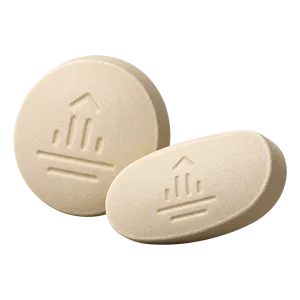
Your order will be securely packed and shipped within 24 hours. This is exactly what your package will look like (images of an actual item sent). It has the size and look of a regular private letter (24x11x0.7 cm) and its contents cannot be seen.

Customer Feedback on Forxiga

3.5
Based on 5 reviews
Robert, 30 St. John's Over the first month
Verified
Rating: 4.5 out of 5

I used Forxiga as part of my diabetes treatment and noticed that my readings became easier to manage over the first month. The extra urination was most noticeable at the beginning, then became less disruptive. I was pleased with the improvement.

Oct 10, 2026
Lee, 32 Sudbury
Verified
Rating: 1.5 out of 5

Forxiga did not suit me. I developed repeated genital irritation and stopped after discussing it with my doctor. My glucose readings did not improve enough to justify continuing with the same treatment.

Oct 19, 2026
Graham N., 39 Barrie Several weeks
Verified
Rating: 4.5 out of 5

The main change for me was steadier glucose readings during the workweek. I took the tablet in the morning and found it easier to remember than a medicine linked to meals. After several weeks, I felt more confident about my routine.

Oct 28, 2026
John, 38 Fredericton Some time
Verified
Rating: 4 out of 5

Forxiga fitted well with the rest of my treatment. I noticed less swelling and could walk farther without stopping after some time on the regimen. The tablet was simple to take each day.

Oct 31, 2026
Christopher, 60 Kamloops
Verified
Rating: 3 out of 5

I saw some benefit in my readings, but I became light-headed when I was not drinking enough. My doctor reviewed the other medicines I was taking and changed the plan. It helped, though it required more attention to hydration than I expected.

Nov 5, 2026

Sources

  1. U.S. Food and Drug Administration (2023). FARXIGA (dapagliflozin) tablets, Prescribing Information.
  2. European Medicines Agency (2024). Forxiga: European public assessment report and product information.
  3. Kidney Disease: Improving Global Outcomes (2024). KDIGO 2024 Clinical Practice Guideline for the Evaluation and Management of Chronic Kidney Disease.
  4. American Diabetes Association (2024). Standards of Care in Diabetes—2024.
Get our free app Shop faster and track your orders 4.0 · 269 reviews Install