Skip to content
Save up to 80%
Januvia
Active ingredient: Sitagliptin

Januvia

Quality products
24/7 Support
Fast delivery
Delivery from 4 days
Select pack Package Per unit Price

Free delivery on orders from $ 296.00, free express delivery from $ 444.00

Secure Payments
Track your order
Best price guarantee

Januvia helps preserve the body’s incretin hormones, supporting glucose-dependent insulin release and reducing glucagon after meals. It is prescribed for adults with type 2 diabetes alongside nutrition changes and physical activity. Its active ingredient, sitagliptin, inhibits the enzyme DPP-4 and helps improve blood glucose control without acting as insulin.

Overview

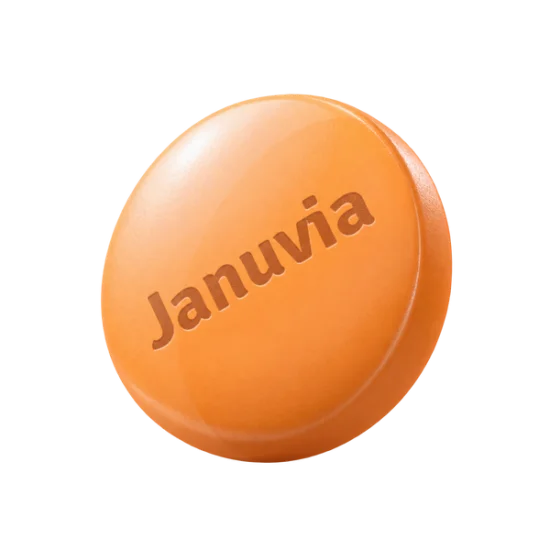
Januvia is an oral tablet. It is not used for type 1 diabetes or diabetic ketoacidosis, where insulin treatment is required. Januvia contains sitagliptin, supplied pharmaceutically as sitagliptin phosphate monohydrate. Sitagliptin phosphate monohydrate belongs to the DPP-4 inhibitor class.

Dosage and administration

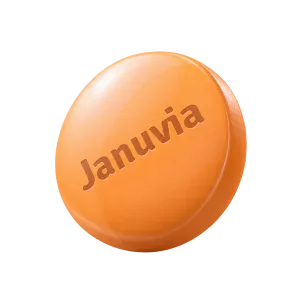
Januvia is taken orally once daily, with or without food. The regimen for the selected strength is confirmed with a healthcare professional before starting. Tablets should be swallowed as directed and taken at the same time each day when possible.

Daily administration and missed doses

  • Take Januvia once daily at the prescribed strength.
  • Food is not required for absorption.
  • If a dose is missed, take it when remembered unless the next scheduled dose is near.
  • Never take two tablets together to replace a missed dose.
  • If a replacement dose has already been taken by mistake, seek medication advice promptly.

A practical problem occurs when a person forgets whether the tablet was taken. Taking another tablet without confirming the timing can create an avoidable dosing error. A simple written medication record or daily pill organiser can reduce this risk.

Kidney function and dose selection

Clinicians select the dose after reviewing estimated kidney function. The same tablet strength is not suitable for every adult with type 2 diabetes. Renal testing may be repeated when clinically indicated, especially after a hospital admission, significant dehydration, or a change in kidney health.

Formulation

The phosphate monohydrate form helps produce a stable tablet formulation; the active clinical ingredient remains sitagliptin.

Lower-strength Januvia tablets are used when kidney function reduces the body’s ability to clear sitagliptin. The selected strength depends on renal assessment, not on blood glucose alone.

Sitagliptin phosphate monohydrate

A spelling such as “sitagliptan” may appear in informal searches, but sitagliptin is the established generic name used in pharmaceutical references.

The salt form does not change Januvia’s treatment purpose. It delivers sitagliptin for oral absorption and DPP-4 inhibition.

Strength selection and renal function

People with reduced kidney function may require a lower prescribed strength. Dialysis and advanced renal impairment require a specific prescribing review. Kidney function can change after dehydration, acute illness, or progression of chronic kidney disease, so an earlier dose may later need reassessment.

Bring a current list of prescribed medicines, non-prescription products, and supplements to every diabetes medication review. This helps identify treatments that can alter glucose levels or require renal monitoring.

How it affects the body

DPP-4, or dipeptidyl peptidase-4, is an enzyme that breaks down incretin hormones. Incretins are gut hormones that help the pancreas release insulin when blood glucose is elevated and reduce glucagon secretion after food.

Sitagliptin slows incretin breakdown. The resulting increase in incretin activity can improve glucose-dependent insulin release and reduce the liver’s production of glucose through lower glucagon activity. Because this process is linked to glucose levels, sitagliptin does not stimulate insulin release in the same way as insulin injections.

Therapeutic indications

Januvia can improve blood glucose control in adults with type 2 diabetes, either alone in selected cases or with other glucose-lowering treatments. It does not remove the need for nutrition planning, physical activity, monitoring, or follow-up. Response varies between patients, so HbA1c results guide decisions about continuing or changing treatment.

Common mistakes

Several preventable errors can make treatment appear ineffective or increase risk:

  • Doubling the next dose after forgetting a tablet.
  • Changing the dose without a new kidney-function review.
  • Assuming Januvia replaces insulin.
  • Missing hypoglycemia symptoms when Januvia is combined with insulin or a sulfonylurea.
  • Continuing treatment despite severe abdominal pain, facial swelling, or blistering skin.
  • Treating persistent constipation as unrelated when it began after therapy.
  • Failing to mention supplements or non-prescription medicines during review.
  • Taking a replacement tablet after forgetting whether the original dose was already taken.

After a dose change, confirm the new instructions before taking the next tablet. Keep follow-up kidney testing when advised. If severe abdominal pain develops, seek prompt assessment rather than waiting for the next routine diabetes appointment.

When not to use it

Januvia is not suitable for every person with diabetes. Treatment selection depends on kidney function, allergy history, previous pancreatic disease, pregnancy status, breastfeeding, cardiovascular history, and the other medicines being used.

Reduced kidney function can increase sitagliptin exposure. A dose that was appropriate before a decline in renal function may become unsuitable later. Kidney tests may therefore be needed before treatment and at intervals determined by the patient’s clinical situation.

Dialysis-related prescribing requires specific review. Do not change the tablet strength independently after a new kidney diagnosis or hospital stay.

A history of pancreatitis should be discussed before starting or continuing Januvia. Persistent severe abdominal pain, especially with vomiting, requires urgent assessment because symptoms alone cannot confirm the cause.

Anyone with a previous serious allergic reaction to sitagliptin or another DPP-4 inhibitor may require a different treatment. Severe joint pain that begins during therapy also merits medical review.

Pregnancy and breastfeeding require an individual treatment discussion. The benefits and risks of glucose control must be balanced with the available evidence and the medicines used during pregnancy.

Januvia is not a substitute for insulin in type 1 diabetes or an insulin-deficient emergency. Heart failure history should also be included in the clinical review, especially when treatment is combined with other agents that affect fluid balance or cardiovascular status.

When this is not for you

Januvia is not for you if you have had a serious reaction to sitagliptin, require emergency insulin treatment for diabetic ketoacidosis, or have severe abdominal symptoms needing urgent assessment.

Possible side effects

Side effects of sitagliptin may include headache, gastrointestinal symptoms, and constipation. Some reactions are mild, while others require prompt assessment. A symptom that is new, persistent, or progressively worse deserves clinical attention.

Common gastrointestinal and other effects

Constipation can be overlooked because it may seem unrelated to diabetes treatment. Persistent constipation, constipation with abdominal pain, or a marked change in bowel habits should be discussed with a prescriber. Maintaining appropriate fluid intake may help when fluid restriction is not required for another medical condition.

Other possible effects include upper-respiratory symptoms and headache. The Canadian product information should guide the assessment of frequency and severity for the specific formulation.

Serious reactions requiring medical assessment

Seek urgent medical assessment for:

  • Severe or persistent abdominal pain, especially with vomiting.
  • Facial, lip, tongue, or throat swelling.
  • Breathing difficulty, widespread hives, or sudden dizziness.
  • Severe joint pain that limits movement.
  • Blistering, peeling, or extensive skin inflammation.
  • A sudden, severe change in general condition.

Pancreatitis is an uncommon but serious concern associated with DPP-4 inhibitor treatment. Severe abdominal pain should not be dismissed as ordinary indigestion, especially when it persists or radiates to the back.

Bullous pemphigoid is a rare blistering skin reaction reported with DPP-4 inhibitors. New blisters, extensive itching, or fragile skin require prompt medical assessment rather than self-treatment.

Hypoglycemia during combination treatment

Januvia alone has a lower tendency to cause hypoglycemia than insulin or a sulfonylurea because its effect is linked to glucose-dependent incretin activity. The risk rises when it is combined with insulin or a sulfonylurea. The Canadian product monograph describes this interaction as a reason for careful treatment review [1].

Keep a fast source of glucose available if your diabetes plan includes insulin or a sulfonylurea. Confusion, fainting, or inability to swallow requires emergency help rather than oral food or drink.

Comparison

Januvia, insulin, and sulfonylureas lower glucose through different mechanisms. Treatment choice depends on HbA1c, kidney function, cardiovascular status, hypoglycemia risk, tolerability, treatment preferences, and the wider diabetes plan.

Treatment Main mechanism and use Hypoglycemia considerations
Januvia Oral DPP-4 inhibition; supports glucose-dependent insulin release Risk is lower alone but rises with insulin or sulfonylureas
Insulin Replaces or supplements insulin activity Can cause hypoglycemia; essential in type 1 diabetes and some emergencies
Sulfonylureas Stimulate pancreatic insulin release Hypoglycemia risk can be significant, especially with missed meals

Januvia and insulin

Januvia is taken as a tablet, while insulin is administered by injection or another prescribed delivery method. Sitagliptin cannot replace insulin in type 1 diabetes, severe insulin deficiency, or diabetic ketoacidosis.

Some adults with type 2 diabetes use both treatments. That combination requires glucose monitoring and clinician-led dose adjustment.

Januvia and sulfonylureas

Both sitagliptin and sulfonylureas influence insulin activity, but through different pathways. Sulfonylureas can continue stimulating insulin release even when meal timing and glucose levels are changing, which contributes to hypoglycemia risk.

The World Health Organization describes diabetes treatment as a continuing process that includes glucose management, risk assessment, and follow-up rather than reliance on a single tablet [2].

What doctors say

In clinical practice, prescribers assess HbA1c, home glucose readings when appropriate, renal function, adverse effects, adherence, and concurrent medicines before judging the response to Januvia. A tablet can be convenient, yet convenience does not replace monitoring.

The main advantages are oral once-daily use, glucose-dependent incretin activity, and a lower hypoglycemia tendency when used alone. The limitations include reduced suitability in impaired renal function without dose adjustment, possible gastrointestinal effects, rare serious reactions, and increased hypoglycemia risk with insulin or sulfonylureas.

Januvia improves glucose control; it does not cure type 2 diabetes or remove the need for nutrition, movement, monitoring, and follow-up. Canadian diabetes guidance and the American Diabetes Association place medication decisions within a wider plan that includes cardiovascular and kidney risk assessment [3].

Record the date of each HbA1c and kidney-function test. A medication review is more useful when the clinician can compare results with symptoms, missed doses, illness, and other treatment changes.

Comparison

Comparison table: Diabetes

Common questions

Can alcohol be used while taking Januvia?

Alcohol can make blood glucose less predictable, especially when meals are skipped or Januvia is combined with insulin or a sulfonylurea. It may also make it harder to recognise early hypoglycemia symptoms. The 2023 Health Canada product information supports reviewing the complete diabetes regimen rather than assessing sitagliptin in isolation [4]. Avoid drinking when glucose is poorly controlled, food intake is reduced, or low-glucose episodes have occurred.

What should happen if the expected glucose improvement does not occur?

Do not increase Januvia independently when readings remain high. Persistent results may reflect missed doses, illness, diet changes, kidney-function changes, another medicine, or progression of diabetes. The 2024 Diabetes Canada guidance supports reviewing HbA1c, glucose records, adherence, and the wider treatment plan before changing therapy. A prescriber can determine whether another treatment or combination is appropriate.

Can Januvia be taken with food or on an empty stomach?

Januvia can generally be taken with or without food. Taking it at a consistent time can reduce missed doses, although a meal is not required for its absorption. The 2022 European Medicines Agency (EMA) product information describes sitagliptin as an oral treatment that does not require administration with food [5]. A person using other diabetes medicines should still follow the meal-related instructions for those medicines.

Does Januvia cause constipation?

Constipation is a possible adverse effect of sitagliptin, although it does not occur in every patient. Mild symptoms may improve with appropriate fluids and fibre when those measures fit the person’s medical plan. Persistent constipation, severe abdominal pain, vomiting, or abdominal swelling requires medical assessment because these symptoms can have causes unrelated to ordinary bowel sluggishness. The 2023 Health Canada product monograph also lists constipation among reported adverse effects.

What happens after stopping Januvia, and is tapering required?

Januvia is not usually tapered in the same manner as medicines that cause physical withdrawal. Stopping it can allow blood glucose to rise because the DPP-4 inhibitor effect is no longer present. The treatment plan should therefore be changed through a prescriber, with glucose monitoring and replacement therapy considered when needed. Sudden discontinuation is especially risky when Januvia is contributing to control alongside other medicines. The 2023 Health Canada product monograph provides the relevant prescribing information for treatment changes.

How long does a Januvia course last, and is long-term use acceptable?

Treatment duration depends on glucose response, kidney function, adverse effects, cardiovascular considerations, and the wider diabetes plan. Some adults use sitagliptin long term when it continues to provide suitable glucose control and remains well tolerated. HbA1c and renal monitoring help determine whether it should continue. Long-term use does not mean follow-up can stop. The 2024 Diabetes Canada guidance supports reassessing treatment when glucose control or tolerability changes.

Do you offer anonymous delivery?

Your order will be securely packed and shipped within 24 hours. This is exactly what your package will look like (images of an actual item sent). It has the size and look of a regular private letter (24x11x0.7 cm) and its contents cannot be seen.

Customer Feedback on Januvia

4
Based on 3 reviews
Luke, 65 Winnipeg Several weeks
Verified
Rating: 2 out of 5

I used Januvia for several weeks, but my glucose readings did not improve enough to meet the treatment goal. I also developed ongoing stomach discomfort, so I stopped after discussing it with my prescriber. It was not the right fit for me.

Oct 10, 2026
Alan, 61 Ottawa About three months
Verified
Rating: 5 out of 5

I took Januvia once daily for about three months alongside the eating plan I had already started. My morning readings became more consistent, and I liked not having to add another injection. The routine was simple enough to maintain.

Oct 28, 2026
James A., 37 Fredericton Roughly two months
Verified
Rating: 5 out of 5

I used Januvia for roughly two months and noticed fewer high readings after meals. I kept taking it at the same time each day, which made the tablet easy to remember. The improvement was gradual, not something I noticed after the first tablet.

Nov 6, 2026

Sources

  1. Health Canada (2023). Januvia (sitagliptin) Product Monograph
  2. World Health Organization (2023). Diabetes
  3. Diabetes Canada (2024). Clinical Practice Guidelines for the Prevention and Management of Diabetes in Canada
  4. Health Canada (2023). Canadian Product Monograph: Sitagliptin — Warnings, Precautions and Adverse Reactions
  5. European Medicines Agency (2022). Januvia: Summary of Product Characteristics
Get our free app Shop faster and track your orders 4.0 · 269 reviews Install