Skip to content
Save up to 80%
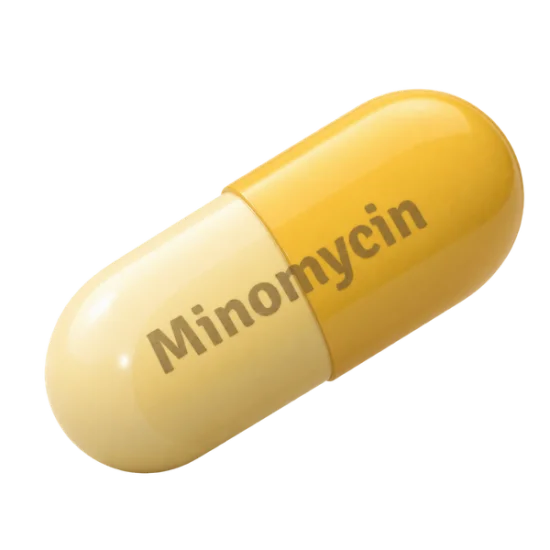
Minomycin
Active ingredient: Minocycline

Minomycin

Quality products
24/7 Support
Fast delivery
Delivery from 4 days
Select pack Package Per unit Price

Free delivery on orders from $ 296.00, free express delivery from $ 444.00

Secure Payments
Track your order
Best price guarantee

Adults and adolescents prescribed minocycline for selected bacterial infections or inflammatory acne may be given Minomycin capsules. Minocycline is a tetracycline antibiotic that slows susceptible bacterial growth and can reduce inflammation in acne.

Overview

Its indication, strength, and treatment duration depend on the prescriber’s assessment. The reason for treatment should be clear before the first dose. Follow-up helps confirm benefit and identify adverse effects early.

Minocycline as the Active Ingredient

Minocycline works against selected bacteria and also has anti-inflammatory activity that can be useful in certain dermatological treatment plans. The appropriate use depends on the diagnosis, local Canadian product information, bacterial susceptibility, age, medical history, and prescribed formulation.

Tetracycline Antibiotic Classification

Tetracycline antibiotics enter susceptible bacterial cells and interfere with protein production. Bacteria need proteins to grow and multiply, so this action limits bacterial expansion. Antibiotic treatment should match a likely or confirmed bacterial cause rather than symptoms alone.

Minomycin and Minocin Naming

Minocin is a recognised minocycline brand name. Minomycin and Minocin may share the active ingredient, but strength, capsule formulation, excipients, release characteristics, and approved indications still need confirmation before a substitution is made. A brand-name change should be reviewed by a pharmacist or prescriber.

Keep the name and strength of every antibiotic in your medication list. This makes later prescribing decisions safer when another clinician treats you.

Dosage and administration

Minomycin is supplied as capsules. The prescribed regimen depends on the condition, age, kidney and liver function, other medicines, treatment response, and the specific formulation. The regimen for the chosen strength must be confirmed with a healthcare professional before starting.

Do not treat a capsule as a standard dose for every patient. A capsule strength describes the amount in one unit; it does not determine how often or how long every patient should take it.

  • Take each capsule exactly as prescribed.
  • Swallow it with a full glass of water.
  • Remain upright after swallowing rather than taking it immediately before lying down.
  • Separate it from antacids, iron, calcium, magnesium, zinc, or mineral supplements when instructed.
  • Never take two doses together to compensate for a missed dose.
  • Do not change the course length because acne or another symptom begins to improve.

Minocycline Capsule Considerations

Minomycin capsules require prescription-specific instructions. Taking a capsule with too little water or lying down straight away may increase oesophageal irritation. This is an easy detail to miss, especially when a dose is taken late at night.

If a capsule is missed, the safer response depends on how close the next scheduled dose is. Follow the missed-dose instructions provided with the prescription and do not double the next dose.

Administration and Absorption Factors

Minerals and antacids can reduce absorption of tetracycline antibiotics. This includes products containing calcium, magnesium, aluminium, iron, or zinc. Keep a complete list of prescription medicines, non-prescription products, vitamins, and sports supplements for medication review.

Food instructions can vary by formulation and product information. Do not create a new timing schedule based on advice for a different minocycline product.

Formulation

Minomycin contains minocycline, an antibiotic in the tetracycline class. An active ingredient is the component responsible for the medicine’s pharmacological effect. An antibiotic treats susceptible bacterial infections; it does not treat viral illnesses such as influenza or most common colds.

Minocycline as the Active Ingredient

Minocycline works against selected bacteria and also has anti-inflammatory activity that can be useful in certain dermatological treatment plans. The appropriate use depends on the diagnosis, local Canadian product information, bacterial susceptibility, age, medical history, and prescribed formulation.

Tetracycline Antibiotic Classification

Tetracycline antibiotics enter susceptible bacterial cells and interfere with protein production. Bacteria need proteins to grow and multiply, so this action limits bacterial expansion. Antibiotic treatment should match a likely or confirmed bacterial cause rather than symptoms alone.

Minomycin and Minocin Naming

Minocin is a recognised minocycline brand name. Minomycin and Minocin may share the active ingredient, but strength, capsule formulation, excipients, release characteristics, and approved indications still need confirmation before a substitution is made. A brand-name change should be reviewed by a pharmacist or prescriber.

Keep the name and strength of every antibiotic in your medication list. This makes later prescribing decisions safer when another clinician treats you.

How it affects the body

Minocycline is a tetracycline antibiotic that enters susceptible bacteria and binds to the 30S bacterial ribosomal subunit. This blocks the attachment of transfer RNA and reduces bacterial protein synthesis. Bacterial growth then slows, allowing the immune system and other treatment measures to clear the infection.

The same medicine can help acne through two linked actions. It reduces acne-associated bacterial activity and dampens inflammatory processes around blocked follicles. Acne still requires an appropriate diagnosis, because not every facial eruption is caused by bacteria and antibiotics are not suitable for every type of lesion.

Minocycline does not kill viruses. Taking it for a viral respiratory infection will not shorten the illness and can expose the patient to avoidable adverse effects. The European Medicines Agency describes tetracycline antibiotics as medicines that require indication-specific use and attention to antimicrobial resistance [1].

Therapeutic indications

Minomycin may be prescribed for selected bacterial infections and inflammatory skin conditions, including acne, when minocycline is suitable. Treatment decisions consider the infection site, severity, local resistance patterns, previous antibiotic exposure, allergies, and other medicines.

Condition Treatment objective Follow-up focus
Acne Reduce bacterial activity and follicular inflammation Skin response, pigmentation changes, dizziness, headache, and treatment duration
Selected bacterial infection Suppress susceptible bacterial growth Symptom response, adherence, resistance risk, and adverse effects
Rheumatoid arthritis Specialist-directed anti-inflammatory or disease-management use in selected plans Disease activity, joint function, other medicines, and long-term monitoring

Acne Treatment Context

For acne, minocycline may be selected when inflammatory lesions require an oral antibiotic and other options are unsuitable. Improvement is assessed over the treatment plan rather than by taking extra capsules when a new lesion appears.

Antibiotic stewardship matters. A prescriber may limit the duration, combine treatment with a non-antibiotic acne approach, or reassess the diagnosis if improvement is limited. Minocycline is not a cosmetic supplement and should not be used continuously without clinical review.

Rheumatoid Arthritis Treatment Context

Minocycline has been studied and used in selected clinician-directed rheumatoid arthritis plans, but it is not appropriate for every person with joint pain. Rheumatoid arthritis requires assessment of inflammation, joint damage risk, functional change, and the need for disease-modifying treatment.

Persistent joint swelling, prolonged morning stiffness, worsening pain, or reduced hand function requires medical assessment. Self-starting an antibiotic for these symptoms can delay appropriate rheumatology care.

Common mistakes

Six patterns can reduce treatment benefit or increase risk:

  1. Taking the wrong strength. Read the prescribed medicine name and strength in the dispensing information before each dose; do not rely on capsule colour alone.
  2. Stopping as soon as symptoms improve. The prescribed duration is based on the condition and treatment objective, not only on how the patient feels on one day.
  3. Doubling after a missed dose. Two capsules together can increase adverse effects without restoring the intended treatment schedule.
  4. Taking the capsule with mineral supplements. Iron, calcium, magnesium, zinc, and antacids may reduce absorption.
  5. Lying down immediately after swallowing. Use a full glass of water and remain upright to reduce oesophageal irritation.
  6. Sharing leftover antibiotics. Another person may have a different diagnosis, allergy history, organism, or treatment requirement.

Keep the medication list updated at every appointment. Note the date of any new rash, visual symptom, pigmentation change, or severe headache. These details help the prescriber decide whether treatment should continue.

When not to use it

Minomycin is not suitable for everyone.

  • Pregnancy, planned pregnancy, or breastfeeding.
  • A history of liver disease or significant kidney impairment.
  • Previous intracranial hypertension or unexplained visual symptoms.
  • Autoimmune disease or unusual pigmentation.
  • Tetracycline allergy.
  • Current or recent use of oral retinoids.
  • Anticoagulants or medicines requiring laboratory monitoring.
  • Antacids, iron, calcium, magnesium, zinc, and other mineral products.

Minocycline may interact with oral retinoids in a way that increases concern about intracranial hypertension. Anticoagulant effects may require monitoring. Mineral products and antacids can interfere with absorption. The full medicine list matters because interactions may depend on the dose, timing, and reason for treatment.

Pregnancy and breastfeeding require specific discussion because tetracycline exposure can affect developing teeth and bones. Health Canada consumer and professional drug information should be considered alongside the prescriber’s assessment and the product-specific instructions [3].

When this is not for you

This medication is not for you if you have had a serious hypersensitivity reaction to minocycline or another tetracycline, unless a qualified prescriber has assessed the situation and documented a safe plan.

Before starting, disclose:

  • Pregnancy, planned pregnancy, or breastfeeding.
  • A history of liver disease or significant kidney impairment.
  • Previous intracranial hypertension or unexplained visual symptoms.
  • Autoimmune disease or unusual pigmentation.
  • Tetracycline allergy.
  • Current or recent use of oral retinoids.
  • Anticoagulants or medicines requiring laboratory monitoring.
  • Antacids, iron, calcium, magnesium, zinc, and other mineral products.
Tell the prescriber about acne products, iron tablets, antacids, vitamins, and retinoid medicines, not only prescription drugs. These items are often missed during a quick medication history.

Possible side effects

Minocycline can cause adverse effects involving the digestive system, nervous system, skin, and other organs. The exact frequency depends on the product and patient population, so listed symptoms should not all be treated as equally common.

Commonly Reported Symptoms

Headache, drowsiness, dizziness, constipation, fatigue, nausea, and stomach discomfort can occur. Drowsiness or dizziness may impair driving, cycling, or work requiring balance and rapid reactions.

Mild symptoms should be recorded with their timing and relation to each dose. Persistent or troublesome symptoms deserve medical advice rather than an independent dose change.

Skin Discoloration and Pigmentation Changes

Minocycline can cause blue-grey, brown, or other pigmentation changes involving the skin, gums, teeth, nails, or scar tissue. New or spreading discoloration should be documented and discussed with the prescriber. It may not occur in every patient, and the extent of recovery can vary.

A small change near an old scar is easy to overlook. Mention any new pigmentation at follow-up, even when the antibiotic is helping the original condition.

Serious Reaction Warning Signs

Seek urgent medical care for:

  • Severe headache with blurred or double vision.
  • New visual loss or marked pressure behind the eyes.
  • Facial, tongue, or throat swelling.
  • Breathing difficulty.
  • A widespread blistering or peeling rash.
  • Fainting, severe confusion, or marked neurological changes.
  • Severe watery or bloody diarrhoea.
  • Yellowing of the skin or eyes with dark urine.
Symptom Practical response Urgency
Mild headache, fatigue, constipation, or drowsiness Record timing, avoid hazardous driving if affected, and discuss persistent symptoms Routine clinical advice
New or spreading skin discoloration Document the area and report it to the prescriber Prompt review
Severe headache with visual symptoms, swelling, breathing difficulty, or blistering rash Stop normal activity and obtain urgent medical care Emergency

The FDA prescribing information for minocycline describes serious risks including intracranial hypertension, severe hypersensitivity reactions, and pigment changes [2].

Comparison

Minomycin, Minocin, and generic minocycline products are linked by their active ingredient, while the wider tetracycline antibiotic class includes medicines with different pharmacological profiles.

Name or category Clinical role Selection factor
Minomycin Minocycline treatment in the prescribed formulation Diagnosis, strength, formulation, and tolerability
Minocin or generic minocycline Minocycline treatment under another product name Confirm interchangeability and directions
Tetracycline antibiotic class Group of antibiotics affecting bacterial protein synthesis Bacterial susceptibility, indication, interactions, and contraindications

No tetracycline antibiotic is the best choice for every infection or acne presentation. Selection depends on diagnosis, bacterial susceptibility, pregnancy status, allergy history, organ function, previous response, and Canadian prescribing guidance.

What doctors say

Clinicians generally assess the indication before discussing the capsule itself. For acne, they look at lesion type, inflammation, scarring risk, previous topical treatment, and the need to limit antibiotic exposure. For suspected infection, they assess whether symptoms fit a bacterial illness and whether another antimicrobial would be more suitable.

A useful clinical review includes the full medicine list, pregnancy or breastfeeding status, neurological symptoms, liver history, kidney function, and the intended duration. Doctors also consider whether persistent symptoms represent treatment failure, resistance, an incorrect diagnosis, or a non-bacterial condition.

Antibiotic stewardship is practical prescribing. It means using an antibiotic when the expected benefit justifies the risks, selecting an appropriate regimen, and reassessing continuation when the clinical picture changes. The WHO’s antimicrobial stewardship framework and NICE antimicrobial prescribing guidance support this indication-led approach [4].

Comparison

Comparison table: Antibiotics

Common questions

Can Minomycin be taken with vitamins, antacids, or mineral supplements?

Minomycin contains minocycline, and calcium, iron, magnesium, zinc, aluminium, and antacid products can interfere with tetracycline absorption. The timing depends on the specific product and prescription, so the complete supplement list should be reviewed before treatment begins. Health Canada information current through 2024 supports checking these combinations rather than taking them together automatically.

Should Minomycin be taken with food or on an empty stomach?

Food instructions can vary with the minocycline formulation and the treatment plan. Take the capsule exactly as prescribed, with ample water, and do not alter the schedule based on instructions for another product. The EMA product information framework used in 2023 emphasises formulation-specific administration directions and adequate fluid intake.

How long does a Minomycin course last, and is long-term use acceptable?

The course length depends on the condition, response, bacterial susceptibility, and adverse effects. Long-term use may be considered only in selected clinician-directed situations, with reassessment of benefit, pigmentation, neurological symptoms, liver concerns, and resistance risk. Canadian antimicrobial stewardship guidance published in 2022 supports reviewing ongoing antibiotic therapy rather than extending it automatically.

What is the best time of day to take Minomycin?

There is no universal best time for every patient because the correct schedule depends on the prescribed regimen and formulation. Choose a time that supports consistent dosing while allowing the capsule to be taken with sufficient water and without immediate lying down. A 2024 Health Canada medication review should include the timing of mineral supplements, antacids, and other medicines.

Which symptoms mean I should stop and seek urgent medical help?

Severe headache with visual changes, facial or throat swelling, breathing difficulty, blistering rash, fainting, severe confusion, or major neurological changes require urgent medical care. New widespread pigmentation, persistent vomiting, severe diarrhoea, or jaundice also require prompt clinical assessment. The FDA minocycline safety information available in 2024 identifies intracranial hypertension and serious hypersensitivity reactions as urgent concerns.

How soon might Minomycin’s effect become noticeable?

The time to benefit varies with the condition. Acne often requires a sustained treatment period before inflammatory lesions clearly decrease, while an infection should be reassessed if symptoms fail to improve as expected. A 2023 WHO antimicrobial-use framework supports judging response against the diagnosis and treatment plan rather than increasing the dose independently.

What should be discussed with a doctor before starting Minomycin?

Discuss tetracycline allergies, pregnancy or breastfeeding, liver or kidney disease, previous visual symptoms or intracranial hypertension, current retinoids, anticoagulants, antacids, minerals, and all supplements. Mention any history of unusual skin or gum pigmentation. Canadian prescribing information reviewed in 2025 supports a complete medication history before minocycline treatment, including the intended indication and follow-up plan.

Do you offer anonymous delivery?

Your order will be securely packed and shipped within 24 hours. This is exactly what your package will look like (images of an actual item sent). It has the size and look of a regular private letter (24x11x0.7 cm) and its contents cannot be seen.

Customer Feedback on Minomycin

4.4
Based on 4 reviews
Christopher, 40 Kitchener Several weeks
Verified
Rating: 5 out of 5

I used the prescribed Minomycin dose for inflammatory acne for several weeks. The deeper spots became less frequent, and my skin was easier to manage day to day. I was satisfied with the improvement and kept to the planned course.

Nov 9, 2026
Jonathan, 51 Saskatoon Several weeks
Verified
Rating: 3.5 out of 5

I took the prescribed Minomycin dose for several weeks. It helped reduce the inflammation, but the change was slower than I expected. I noticed mild drowsiness after some doses, so I avoided driving until I knew how it affected me. The benefit was real, though the treatment required patience.

Nov 2, 2026
Robert, 45 Calgary During the planned course
Verified
Rating: 5 out of 5

I took the prescribed Minomycin dose for a bacterial skin problem during the planned course. The redness and tenderness settled, and the area stopped interfering with sleep. The capsules were straightforward to take with plenty of water.

Oct 11, 2026
Lee, 69 Guelph Throughout the clinician-directed treatment plan
Verified
Rating: 4 out of 5

I took the prescribed Minomycin dose throughout the clinician-directed treatment plan. The symptoms improved steadily, and I found it useful to keep the dosing times written in my daily notes. That small habit helped me stay consistent.

Oct 19, 2026

Sources

  1. European Medicines Agency (2023). Summary of Product Characteristics (SmPC) — minocycline-containing medicinal product.
  2. U.S. Food and Drug Administration (2010). MINOCIN (minocycline hydrochloride) Capsules, Prescribing Information.
  3. Health Canada (2023). MINOCIN (minocycline hydrochloride) Capsules, Product Monograph.
  4. World Health Organization (2022). Global Antimicrobial Resistance and Use Surveillance System (GLASS) Report 2022.
Get our free app Shop faster and track your orders 4.0 · 269 reviews Install